
Pruning
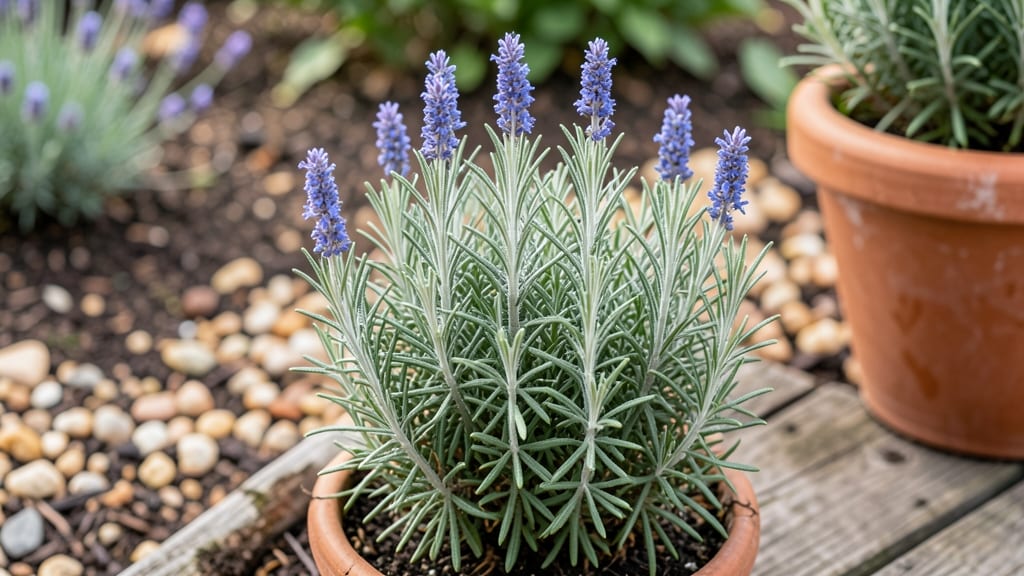
Transforming rosemary into a cone-shaped tree with proper rosemary cone tree care starts with the right pruning rhythm. ✂️ I’ve shaped mine into a woody, tree-like form over three years—no special skills required, just patience and a sharp pair of shears.
The key is timing: prune just after flowering in early summer, when new growth is already pushing out.
Rosemary thrives on neglect but rewards precision pruning. You’ll need sunny exposure (6+ hours daily), well-draining soil, and minimal water—overwatering kills it faster than poor pruning.
The cone shape comes from cutting back the top growth by one-third each year while leaving lower branches intact. This encourages bushier, tree-like structure.
By winter, your rosemary will stand tall with fragrant, woody stems and those iconic blue-green needles. The cones (technically flower spikes) add texture and stay on the plant for months, making it a showstopper. Prune lightly in late winter to shape, but avoid heavy cuts—rosemary recovers slowly from harsh trims.
Works in containers or garden beds, even in Zone 7 and warmer climates. The secret? Less is more—rosemary handles pruning better when you let it recover between cuts. Here’s how to keep yours thriving year-round.
📚 In This Guide
- What you need
- Instructions
- Tips and common mistakes
- Wrapping up and next steps
What you need
- ● Pruning shears: Sharp, bypass shears (4-6" blade) for clean cuts on small branches.
- ● Loppers: 8-10" bypass loppers for thicker stems (up to 1.5" diameter).
- ● Hand pruners: Anvil-style (for stubborn branches) or bypass (for precision).
- ● Disinfectant: 70% isopropyl alcohol or diluted bleach (1 part bleach to 9 parts water) to sterilize tools between cuts.
- ● Gloves: Heavy-duty, cut-resistant gloves (rosemary can be prickly!).
- ● Rake or broom: For clearing debris after pruning.
- ● Watering can or hose: With a gentle spray nozzle for post-pruning hydration.
- ● Organic mulch: 2-3 inches of pine bark or straw to retain moisture and regulate soil temp.
- ● Pruning saw: For very thick branches (rare in rosemary but handy for mature trees).
- ● Plant food: Balanced, slow-release fertilizer (10-10-10) for a post-pruning boost.
- ● Plant ties: Soft fabric strips to support heavy branches if needed.
- ● Camera or journal: To track growth and pruning progress over time!
How to prune a rosemary cone tree for lush, year-round growth
Here's the method I rely on to keep rosemary cone trees thriving—no dead branches, no bare spots, just steady, healthy growth.
✂️ Step 1: Prune in Late Winter for New Growth
Wait until late winter when new growth begins but before spring flushes start. This is when your rosemary tree is dormant but ready to respond. I grab my sharp pruning shears and cut back one-third of the oldest branches—these are the ones that look woody and less flexible. Focus on the outermost branches first to encourage fullness.
Make cuts at a 45-degree angle just above a leaf node or bud. This angle helps water run off instead of pooling. If you're unsure where to cut, look for the small bump where a leaf or branch used to be—that's your target. Avoid cutting into bare wood; you want to leave at least ¼ inch of green growth behind.
✂️ Step 2: Shape for Balance and Airflow
Step back and assess the shape. A rosemary cone tree should have a rounded, full silhouette with no bare spots. I trim back any branches that are growing inward or crossing others—these compete for sunlight and weaken the tree. Use your shears to shorten overlong branches by ⅓ to ½ their length, cutting just above a leaf node.
Pay attention to the bottom third of the tree. If it's looking sparse, I selectively prune back some of the lower branches to encourage new growth there. This keeps the tree from getting too top-heavy. A good rule of thumb: never remove more than ⅓ of the tree's foliage in one pruning session—this prevents stress and shock.
☀️ Step 3: Encourage Airflow and Sunlight Penetration
Thin out any dense clusters by removing every other branch in tight spots. This improves airflow, which is critical for preventing fungal diseases. I look for branches that are crowding the center and trim them back to where they branch off from the main stem. This opens up the tree and lets sunlight reach all the way to the inner foliage.
After pruning, I give the tree a light shake to dislodge any loose branches or debris. This also helps the tree adjust to its new shape. If you notice any yellowing leaves after pruning, it’s a sign of stress—just trim those off and keep an eye on watering. Rosemary is drought-tolerant, but it still needs consistent moisture during the first few weeks after a heavy prune.
🌿 Step 4: Maintain Through the Growing Season
Once spring arrives, I do light maintenance pruning every 4-6 weeks to keep the tree shaped and encourage bushier growth. Pinch back the newest growth by ½ inch to stimulate branching. This is where you’ll see the most dramatic change—your rosemary will fill out faster and stay compact.
Watch for new shoots growing from the base or along the trunk. These are your tree’s way of filling in gaps. Let them grow naturally unless they’re crowding other branches. If you notice any dead or diseased branches, remove them immediately with sterilized shears to prevent spread. A little regular care keeps your rosemary cone tree looking like it was professionally shaped.
Tips & tricks for pruning rosemary cone trees
These simple tricks will help you avoid common pruning mistakes and keep your rosemary looking lush year-round.
Timing is Everything: Late winter is the perfect window for your first major prune—right when you see those first tiny green buds but before spring's growth surge. I've learned this the hard way after pruning too early and seeing new growth get nipped by unexpected frost. If you miss this window, wait until early spring when the tree shows clear signs of waking up.
Precision Cutting Technique: That 45-degree angle isn't just for looks—it's crucial for directing water away from the cut. Use your pruning shears to make clean cuts just above the leaf node (that little bump where a leaf used to be). I always test my shears first on a small branch to ensure they're sharp enough for clean cuts. Dull shears tear the bark, inviting disease.
Stress Management: Never remove more than one-third of the foliage in a single session—this is your tree's safety net against shock. After my first heavy prune, I noticed yellowing leaves, which meant the tree was stressed. I adjusted my approach to lighter prunes and saw immediate improvement. Focus on removing only the oldest, woody branches first to minimize stress while still encouraging new growth.
Seasonal Maintenance: Those 4-6 week maintenance prunes in spring are where you'll see the most dramatic changes. I've found that pinching back the newest growth by just ½ inch stimulates branching like nothing else. This is also when you should remove any dead or diseased branches immediately with sterilized shears—don't let them sit and spread.
Pro Tips for Rosemary Cone Tree Care
- These simple tricks will help you avoid common pruning mistakes and keep your rosemary looking lush year-round.
- Timing is Everything: Late winter is the perfect window for your first major prune—right when you see those first tiny green buds but before spring's growth surge.
- Precision Cutting Technique: That 45-degree angle isn't just for looks—it's crucial for directing water away from the cut.
Frequently asked questions
Got questions about keeping your rosemary cone tree thriving? You're not alone! Here are some of the most common concerns—and their solutions—to help you prune with confidence and keep your plant lush year-round.
How often should I prune my rosemary cone tree?
Prune your rosemary cone tree 2-3 times a year—lightly in early spring, again after flowering (late spring to summer), and a final trim in late summer to encourage new growth before winter. Avoid heavy pruning in fall, as it can stress the plant before dormancy. Pro tip: Never cut more than 1/3 of the plant at once to prevent shock!
Can I shape my rosemary cone tree like a topiary?
Rosemary cone trees respond beautifully to shaping—just use sharp pruning shears and trim just above a leaf node (the bump where leaves grow) to encourage bushiness. For a formal look, prune weekly during the growing season and use a wire frame for support. Warning: Avoid over-trimming in winter, as cold stress can weaken the plant.
What do I do if my rosemary cone tree looks leggy or woody?
Leggy or woody rosemary is a sign of over-pruning or poor light. Revive it by cutting back hard in early spring—up to half the height if needed—and move it to a sunnier spot (at least 6-8 hours of direct sunlight daily). Water deeply but let the soil dry between waterings to prevent root rot. New growth should sprout within 2-4 weeks!
Is there a non-pruning alternative to control the size of my rosemary cone tree?
If pruning feels overwhelming, try root pruning or container limits. For potted rosemary, choose a smaller pot every 1-2 years to restrict root growth naturally. For in-ground plants, gently tease the roots outward when repotting to encourage outward growth. Bonus: Regularly rotating the pot helps prevent lopsided growth!
How do I protect my rosemary cone tree in winter?
Rosemary is hardy but sensitive to cold. In zones below USDA 7, wrap the plant in burlap or frost cloth and mulch the base with straw or pine needles. Avoid watering in freezing temps, and prune lightly in late winter (not fall) to reduce stress. If your rosemary is potted, move it to a garage or insulated porch for the season.
| Quick Fixes for Common Issues |
|---|
| Yellow leaves? Overwatering or poor drainage—let soil dry out and ensure pots have drainage holes. |
| Brown tips? Low humidity—mist occasionally or place a tray of water nearby. |
| No flowers? Needs more sun—move to a brighter spot or prune to encourage blooming. |
Wrapping up and next steps
Caring for your rosemary cone tree doesn’t have to be complicated—just consistent! With the right pruning techniques and a little patience, you’ll enjoy a lush, healthy plant that thrives year-round. Remember, timing, sharp tools, and proper spacing are your best friends for keeping this aromatic beauty in top shape.
Ready to take the next step? Grab your shears and give your rosemary cone tree the love it deserves! 🌿✨ Whether you’re trimming for shape, encouraging new growth, or harvesting fresh sprigs, your efforts will pay off in fragrant, vibrant foliage. Happy pruning!