
Pruning
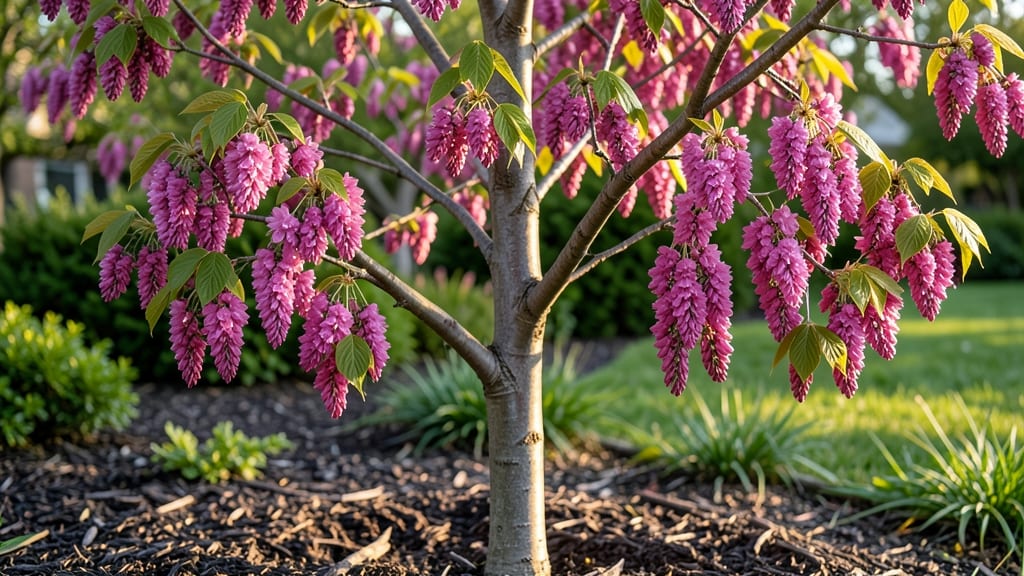
Small redbud tree varieties are the perfect way to add early spring color to tight spaces without sacrificing beauty or space.
Picture this: your tiny urban yard or balcony bursting with vibrant pink, white, or lavender blooms by March—all from a tree that stays neatly under 10 feet tall. These compact cultivars prove you don’t need a sprawling yard to enjoy a redbud’s iconic show.
From the 'Lavender Twist' cultivar’s twisted branches to the 'Merlot'’s deep purple flowers, these dwarf varieties thrive in containers or small gardens. They’re low-maintenance, drought-tolerant once established, and their spring blooms arrive before most other trees even think about waking up.
In this guide, I’ll walk you through selecting the right variety for your space, planting tips to maximize growth, and pruning secrets to keep them small and healthy for years. Let’s get started!
5 Best small redbud tree varieties for limited spaces
Urban gardens often face space constraints, but that doesn't mean you have to skip the beauty of redbud trees. These compact varieties bring vibrant spring blooms and year-round interest without overwhelming small yards or containers.
With mature heights ranging from 8 to 15 feet, these cultivars fit perfectly in tight spaces while still making a bold statement.
I've selected the top 5 small redbud varieties that thrive in urban environments, offering unique colors, growth habits, and low-maintenance care. Whether you're planting near patios, in containers, or along narrow sidewalks, these compact redbuds deliver maximum impact with minimal footprint.
Here's a detailed comparison to help you choose the perfect small redbud tree for your space:
| Variety | Mature Height | Spread | Bloom Color | Bloom Time | Best For |
|---|---|---|---|---|---|
| 'Alba' | 10-12 ft | 12-15 ft | Pure white | Early spring | Containers, small yards |
| 'Forest Pansy' | 12-15 ft | 10-12 ft | Dark purple | Mid-spring | Shade gardens, urban patios |
| 'Merlot' | 8-10 ft | 8-10 ft | Deep pink | Early spring | Small spaces, containers |
| 'Velvet Ruffle' | 10-12 ft | 10-12 ft | Pink with white edges | Early spring | Borders, small lawns |
| 'Oklahoma' | 12-15 ft | 12-15 ft | Magenta-pink | Early spring | Urban streetscapes |
The 'Merlot' variety stands out as my top pick for truly compact spaces—it stays under 10 feet tall while delivering rich pink blooms that brighten small gardens. Its rounded shape makes it perfect for containers or as a focal point near walkways.
If you're drawn to unusual colors, 'Forest Pansy' offers deep purple flowers that create a dramatic contrast against green foliage. This variety handles partial shade better than most, making it ideal for urban settings with limited sunlight.
For a classic look with white blooms, 'Alba' is a timeless choice that pairs beautifully with purple or blue accents in your garden design. Its slightly larger size works well for small yards where you want to make a statement.
Don't overlook 'Velvet Ruffle' for its unique blooms with ruffled edges—these create a textured display that adds visual interest. This variety thrives in well-drained soil and handles urban pollution better than many other trees.
When selecting your small redbud tree, consider not just the bloom color but also the mature spread. Some varieties like 'Oklahoma' develop wider canopies, which may require more space between plants or structures in your urban garden.
All these varieties share low-maintenance care requirements, making them perfect for busy gardeners. They tolerate drought once established and require minimal pruning
How to choose and plant small redbud trees in urban gardens
Small redbud trees are perfect for urban gardens where space is limited but beauty is a priority. These compact varieties thrive in tight spaces while providing early spring blooms and year-round interest.
Whether you're planting in containers or small yard spots, selecting the right location and preparing the soil properly will ensure your redbud thrives for years to come.
Before planting, consider your space constraints and sunlight exposure. Most small redbud varieties need at least 6 hours of sunlight daily to produce their best blooms.
Urban environments often have limited space, so choose a spot that gets morning sun and afternoon shade if possible, especially in hotter climates where afternoon sun can stress young trees.
🌱 Essential Steps for Planting Small Redbud Trees
- 📍 Site Selection: Choose a spot with well-draining soil and 6+ hours of sun. Avoid low-lying areas where water pools.
- 🌿 Soil Prep: Amend heavy clay soil with compost or peat moss to improve drainage. Test soil pH—redbuds prefer slightly acidic to neutral (6.0-7.0).
- 🪴 Planting Depth: Dig a hole twice as wide as the root ball but only as deep as the container. Place the tree so the top of the root ball sits 1 inch above ground level.
- 💧 Watering: Water deeply immediately after planting to settle soil. Provide 1 inch of water weekly during the first year, more in extreme heat.
- ✂️ Pruning: Prune in late winter or early spring before new growth begins. Remove dead or crossing branches to maintain a compact shape.
- 🌳 Mulching: Apply 2-3 inches of mulch around the base (keep it 6 inches from the trunk) to retain moisture and suppress weeds.
For container planting, select a pot at least 24 inches wide and deep with drainage holes. Use a well-draining potting mix blended with perlite or sand. Containers dry out faster, so check soil moisture every 5-7 days and water thoroughly when the top inch feels dry.
After planting, monitor your redbud tree closely for the first few months. Young trees are vulnerable to drought stress and pests like aphids. If you notice yellowing leaves, it could signal overwatering or nutrient deficiency.
A light application of balanced fertilizer (10-10-10) in early spring can help encourage healthy growth without overstimulating the tree.
With proper care, your small redbud tree will reward you with vibrant spring blooms and attractive foliage throughout the growing season. These trees are also low-maintenance once established, making them ideal for busy urban gardeners who want beauty without the hassle.