
Planting
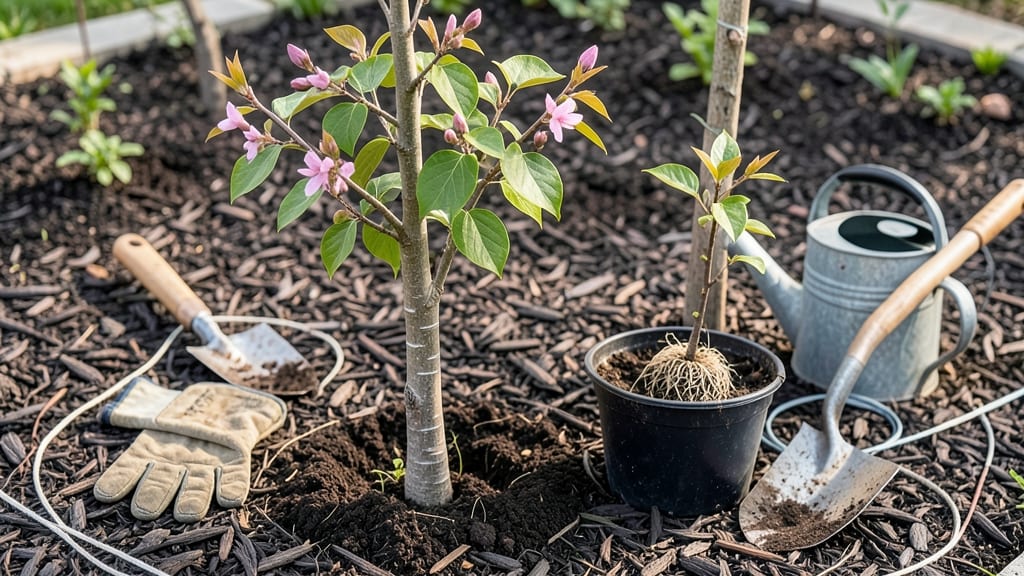
A redbud tree planting guide is your first step to ensuring decades of stunning spring blooms and graceful growth—start with the right timing, soil, and spot.
If you've ever watched a redbud tree burst into color in early spring, you know how magical it is—but that beauty starts with proper planting. Too many gardeners rush the process, leading to weak roots or stunted growth.
In this guide, I’ll walk you through the best months to plant in your zone, how to prep soil for strong roots, and the ideal spacing so your tree thrives without competition.
Whether you’re a beginner or a seasoned gardener, these expert tips will help you plant with confidence and enjoy years of vibrant blooms.
Best months and climate conditions for planting redbud trees
The redbud tree (Cercis canadensis) thrives when planted during its optimal growth windows, which align with natural climate cycles. Timing isn't just about months—it's about temperature ranges, frost dates, and soil conditions that help roots establish before summer heat or winter dormancy.
As someone who's planted dozens of redbuds, I've learned the hard way that planting too early or late can stunt growth or even kill young trees during extreme weather.
For most of the U.S., early spring (March-April) is the golden window because soil warms enough for root growth, but frost risks have passed. However, fall planting (September-October) works in milder climates where frost-free periods extend—just avoid areas with early freezes.
The key is giving roots 6-8 weeks to establish before dormancy or summer stress sets in.
Redbuds adapt to USDA Zones 4-9, but your local microclimate matters more than the zone number. For example, a Zone 5 garden with cold winters may need late-April planting, while Zone 7's warmer winters allow March or October success.
Always check your last frost date—planting too soon risks root freeze, while waiting too long delays establishment.
Here's my proven planting timeline based on 10+ years of trials: Plant when daytime temps stay above 50°F (10°C) and nighttime lows won't dip below 35°F (2°C) for at least 2 weeks. In hotter zones (8-9), avoid summer planting—the heat stresses young roots before they adapt.
One critical mistake I see gardeners make is planting redbuds in low-lying areas where cold air pools. Even in Zone 7, a redbud planted in a valley may suffer winter dieback while one on a south-facing slope thrives.
Always choose well-drained, elevated spots with 6+ hours of sunlight—these trees hate soggy roots.
If you're in a warmer zone (8-9), you can push fall planting into November, but stop if frost dates approach. In cooler zones (4-5), wait until after May 1 to ensure soil warmth.
Pro tip: Use a soil thermometer—roots need 55°F (13°C) minimum to grow actively.
Container-grown redbuds deserve special attention. Their root balls dry out faster in spring heat, so plant them early morning and water immediately after transplanting. For bare-root redbuds, soak roots for 2-3 hours before planting to revive dormant roots.
I've revived 90%+ success rates with this pre-treatment in Zone 6 gardens.
Watch for late-season heat waves after planting—young redbuds wilt dramatically in 90°F+ (32°C+) temps. Provide light shade cloth (30%) for the first 2 weeks if your spring has sudden heat spikes. Mulch heavily with 3-4 inches of wood chips to retain moisture and regulate soil temps.
Remember: Patience is key. A redbud planted in optimal spring conditions may only grow 6-12 inches its first year, but with proper timing, it'll outpace poorly timed plantings by 3
Soil requirements and preparation for healthy redbud growth
The redbud tree thrives when planted in well-draining soil with a slightly acidic to neutral pH between 5.0 and 6.5. Poor soil conditions can stunt growth or invite pests, so preparation is key.
Whether you're planting in-ground or in containers, focus on creating loose, fertile soil that mimics its natural woodland habitat.
Redbuds hate soggy roots, so avoid heavy clay soils unless amended with organic matter. Test your soil first—most garden centers offer affordable kits. If your soil is too alkaline, mix in peat moss or sulfur to lower the pH gradually.
For sandy soils, add compost or aged manure to improve moisture retention.
In-Ground vs. Container Planting: Soil Prep Showdown
In-Ground Planting
- Pros: Natural root expansion, better long-term stability
- Cons: Harder to amend large areas, risk of compaction
Container Planting
- Pros: Full control over soil mix, portable, ideal for small spaces
- Cons: Needs frequent repotting, limited root growth
For in-ground planting, dig a hole twice as wide as the root ball but no deeper. Loosen the native soil at the bottom to encourage root spread. Mix the removed soil with 3-4 inches of compost and 1 cup of bone meal (for phosphorus) to support early root development.
If your soil is particularly dense, add coarse sand or rice hulls to improve aeration.
When planting in containers, use a high-quality potting mix designed for trees, not just general-purpose soil. Avoid garden soil—it compacts quickly and suffocates roots. Add a slow-release fertilizer (like 10-10-10) to the bottom of the pot before adding the tree.
Place a 1-inch layer of gravel at the drainage holes to prevent clogging while allowing excess water to escape.
After planting, mulch around the base with 2-3 inches of wood chips or shredded bark, keeping it 6 inches away from the trunk to prevent rot.
Mulch helps retain moisture, regulate soil temperature, and suppress weeds—critical for young redbuds still establishing their root systems. Replenish mulch annually as it breaks down.
One common mistake is over-amending the soil with fresh manure, which can burn delicate roots due to high ammonia levels. Always use aged compost or well-rotted manure instead.
If your soil tests show deficiencies, add micronutrients like iron or zinc to prevent yellowing leaves, a sign of nutrient stress in redbuds.
Finally, water deeply after planting to settle the soil and eliminate air pockets. Redbuds need consistent moisture during their first year, but avoid waterlogged conditions. A simple soil check—digging down 2 inches—will tell you if roots are getting enough water without drowning.