
Planting
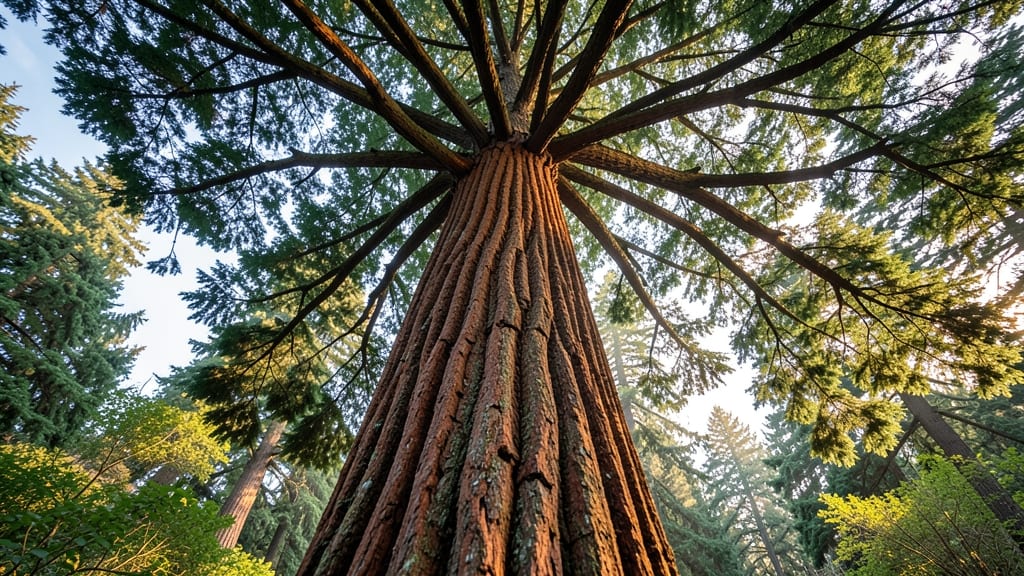
Transforming your outdoor space starts with the right trees. These 10 year-round planting ideas adapt to every climate—from drought-resistant desert species to cold-hardy northern varieties—ensuring lush greenery in any season.
Drought-Tolerant Olive Trees for Arid Climates
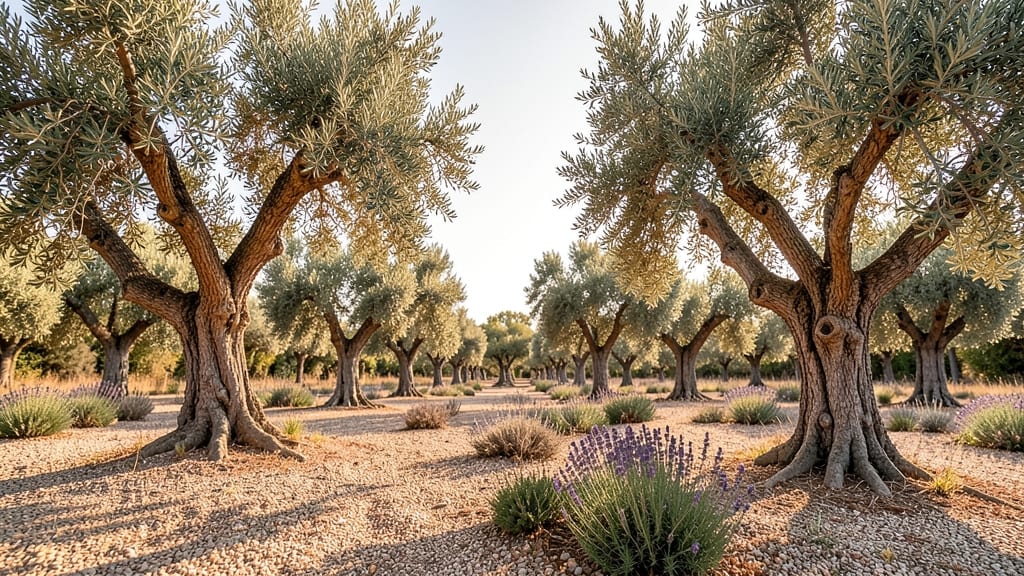
Turn your sunbaked yard into a Mediterranean oasis with olive trees—nature's perfect drought warrior. These trees thrive on just 1-2 inches of water per week once established, making them ideal for arid climates where water conservation is key. Their silvery-green leaves not only resist heat but also create a striking visual contrast against sandy soils.
Beyond their water-wise reputation, olive trees reward you with edible fruit in 3-5 years, producing small, dark olives that can be harvested fresh or cured. For best results, plant in full sun (6+ hours daily) and amend clay-heavy soils with compost to improve drainage. Prune lightly in late winter to encourage dense growth and prevent overcrowding.
Perfect for gardeners in USDA zones 8-11, these trees also double as privacy screens or focal points in courtyard designs. Their low-maintenance nature makes them a dream for busy homeowners or those new to tree cultivation. 🌱
Fast-Growing Weeping Willow for Water Features
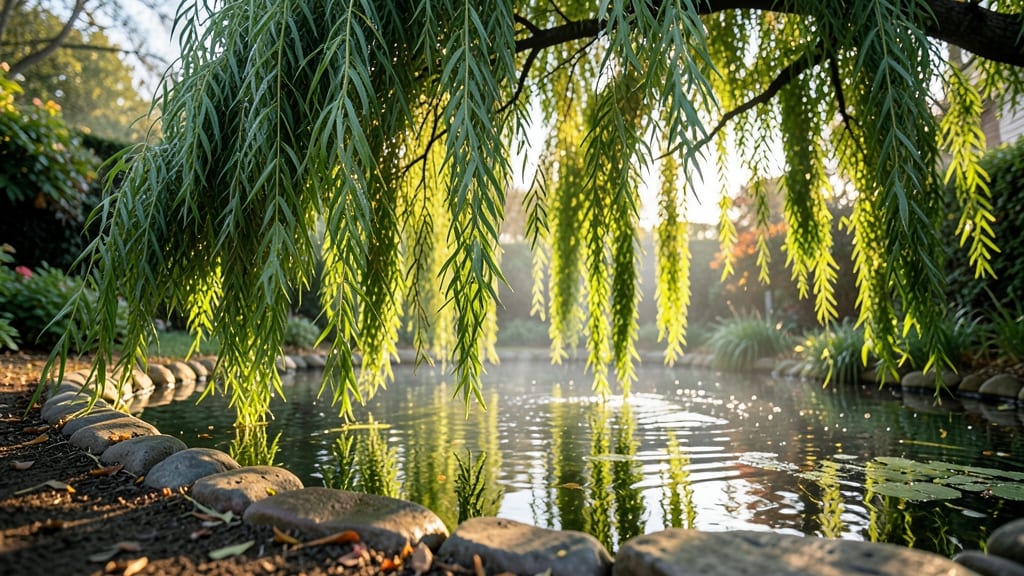
Turn your backyard pond or stream into a living work of art with a fast-growing weeping willow. Its graceful, cascading branches create instant privacy and a serene focal point while filtering water naturally—ideal for humid climates where moisture-loving plants thrive.
Plant near water's edge for dramatic effect, as these trees can grow 3-5 feet per year in optimal conditions. Prune selectively in late winter to maintain shape and encourage fuller growth. The deep root system also helps stabilize pond banks while purifying water through oxygenation.
Perfect for gardeners seeking quick landscape transformations, weeping willows deliver both beauty and function—ideal for those with water features or marshy areas to enhance. 🌿
Cold-Hardy Sugar Maple for Northern Gardens
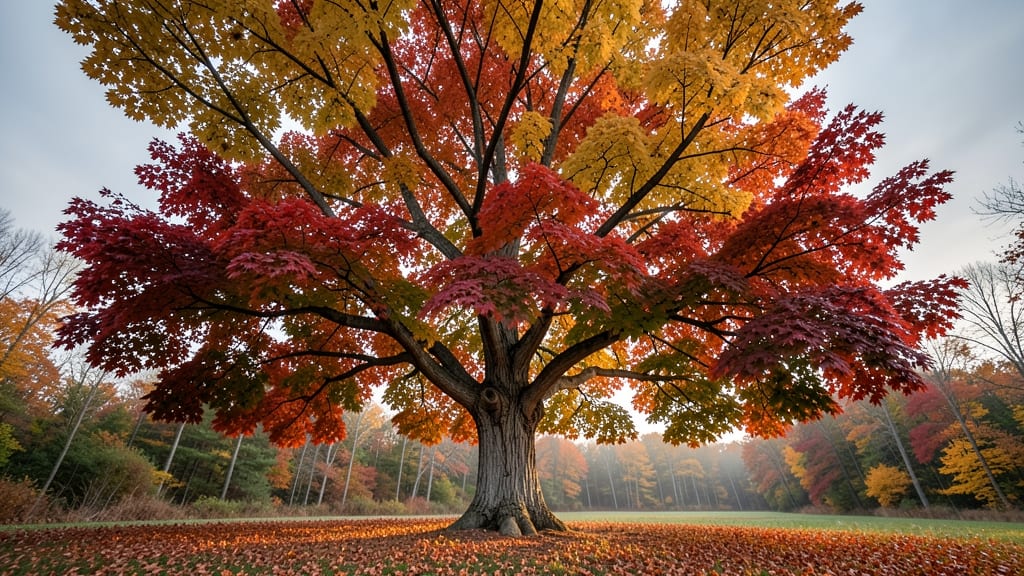
If you live in USDA zones 3-8 and crave a tree that thrives through harsh winters, the sugar maple is your perfect match. This iconic tree isn’t just a survivor—it transforms your landscape into a fiery autumn masterpiece with its legendary red, orange, and gold foliage that lasts for weeks.
Plant your sugar maple in well-drained soil with full sun (6+ hours daily) for optimal growth. Its durable wood makes it a long-term investment, perfect for urban streets or rural homesteads where strength matters. Young trees need consistent watering, but once established, they’re drought-tolerant and require minimal care. Bonus: Their helicopter seeds add whimsy to winter landscapes!
This tree is ideal for homeowners who want year-round interest—from spring’s fresh green leaves to winter’s bare branches showcasing architectural beauty. Perfect for both city lots and country estates, it’s a low-maintenance star that pays dividends in curb appeal. 🌟
Edible Mulberry Trees for Urban Food Forests
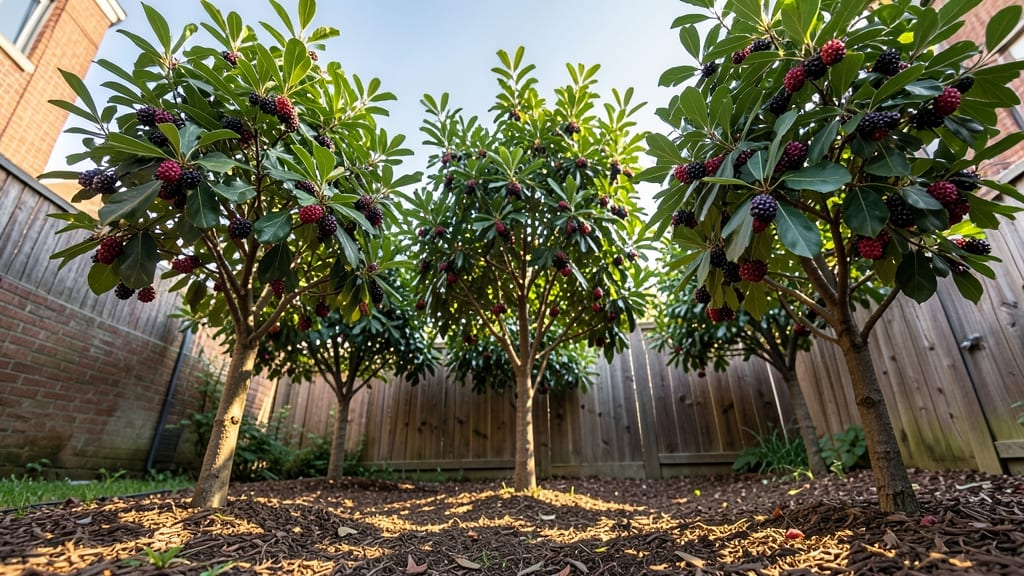
Turn your urban backyard into a fruit-bearing oasis with edible mulberry trees. These compact powerhouses produce sweet, juicy berries that ripen from late spring to summer—perfect for city dwellers with limited space but big harvest dreams.
Mulberries thrive in full sun to partial shade and adapt to almost any soil, including clay or sandy loam. A single tree can yield 50+ pounds of fruit annually, and varieties like Illinois Everbearing produce two harvests per season. Prune lightly in winter to shape the tree and remove suckers, but otherwise, they’re nearly self-sufficient.
Ideal for beginners or busy gardeners, mulberries offer year-round benefits: fresh fruit, wildlife support (birds adore them), and even edible leaves for tea. Plant one near a fence or patio for easy picking and enjoy the sweet rewards of urban foraging. 🌱
Salt-Tolerant Coastal Redwood for Shoreline Planting
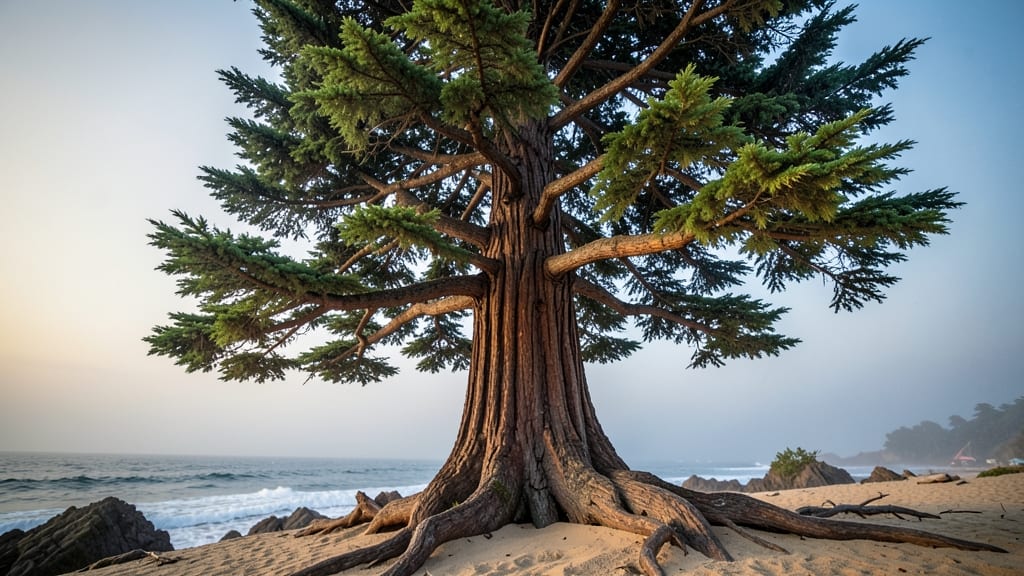
If you’ve ever dreamed of planting a towering evergreen near the ocean but feared salt spray and sandy soil, meet the salt-tolerant coastal redwood hybrid—nature’s answer to shoreline landscaping. This resilient tree isn’t just surviving the harsh coastal environment; it’s thriving, offering year-round greenery where few other trees dare to grow.
Unlike traditional redwoods, this hybrid has been selectively bred to handle salt-laden winds, poor sandy soils, and even occasional flooding—making it ideal for beaches, dunes, and coastal roads. Plant it in full sun to partial shade and water deeply during the first year to establish strong roots. Once established, it requires minimal care, offering towering height (60-80 feet) and dense foliage that softens harsh coastal views. Its natural resistance to pests and disease means fewer headaches for you.
Perfect for homeowners, coastal municipalities, or eco-conscious landscapers, this tree turns barren shorelines into lush, wind-resistant oases. 🌟
Butterfly-Magnet Butterfly Bush for Pollinator Gardens
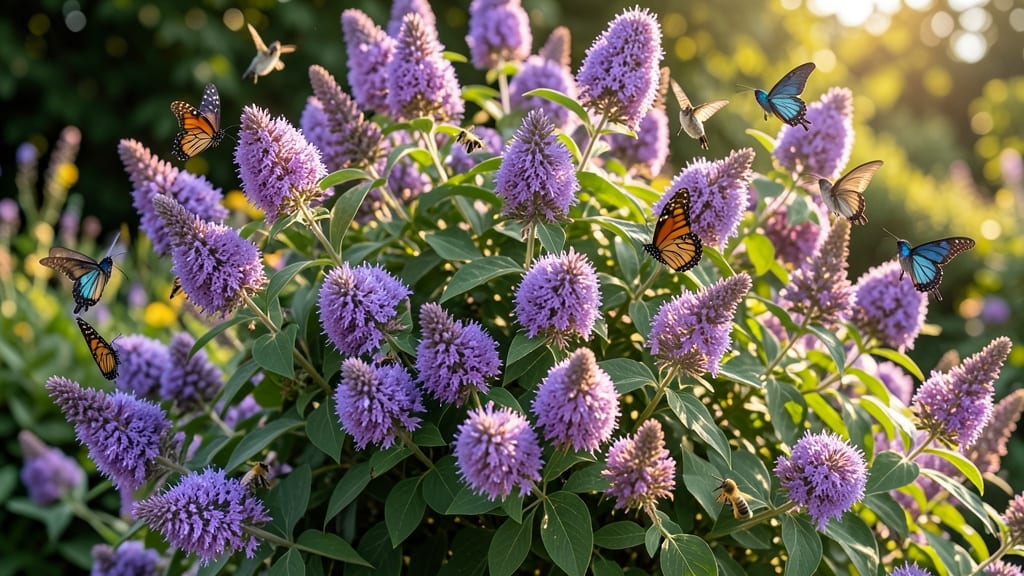
Want to turn your garden into a buzzing hub for pollinators without the fuss? The butterfly bush (Buddleia davidii) is your secret weapon—a low-maintenance powerhouse that draws monarchs, hummingbirds, and bees by the dozens.
This hardy shrub thrives in full sun to partial shade and tolerates a wide range of soils, from sandy to clay. Prune back stems in late winter to encourage dense, flower-filled growth, and watch as your yard becomes a year-round buffet for migrating butterflies. With varieties like 'Black Knight' or 'Lo & Behold®' offering different heights and colors, you can tailor it to fit any space.
Perfect for eco-conscious gardeners, this plant delivers instant impact with minimal effort—ideal for beginners or busy homeowners who still want to support local wildlife. 🌻
Shade-Loving Japanese Maple for Small Spaces
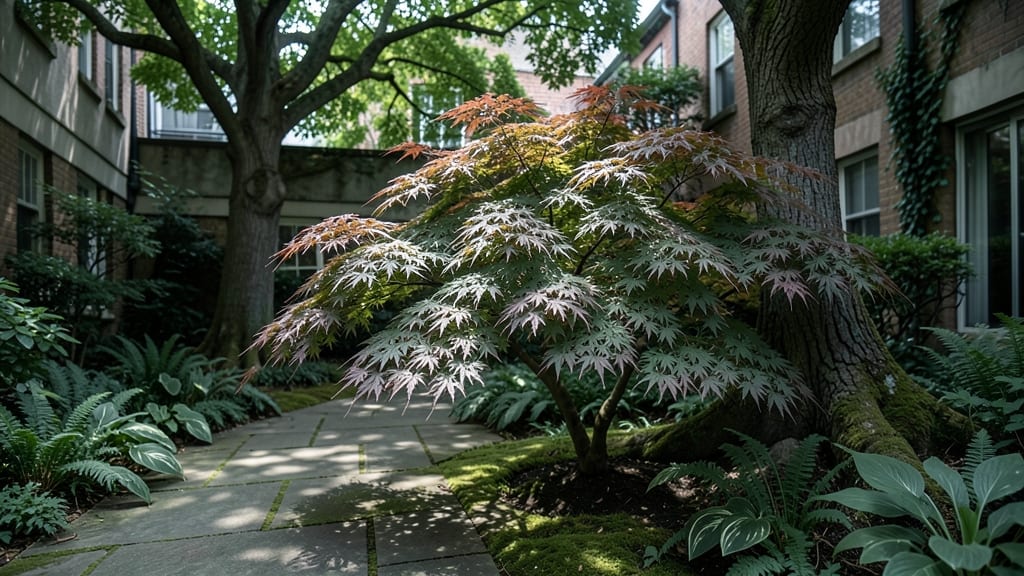
If your garden or balcony gets little sunlight but you crave a showstopper, dwarf Japanese maple varieties are your secret weapon. These graceful trees thrive in partial to full shade, making them perfect for urban courtyards, woodland gardens, or even under larger trees where sunlight is scarce.
Choose from cultivars like 'Bloodgood' (deep red foliage) or 'Shishigashira' (bushy, upright form) that stay under 6 feet tall—ideal for containers or small spaces. They prefer well-draining, slightly acidic soil and benefit from morning sun to prevent fungal issues. Prune lightly after blooming to maintain shape, and protect young trees from strong winds with a temporary stake.
Urban gardeners and small-space enthusiasts will love how these trees add year-round interest with their delicate leaves, vibrant colors, and elegant branching. Even beginners can succeed with minimal care—just avoid soggy soil! 🌿
Fire-Resistant California Sycamore for Wildfire Zones
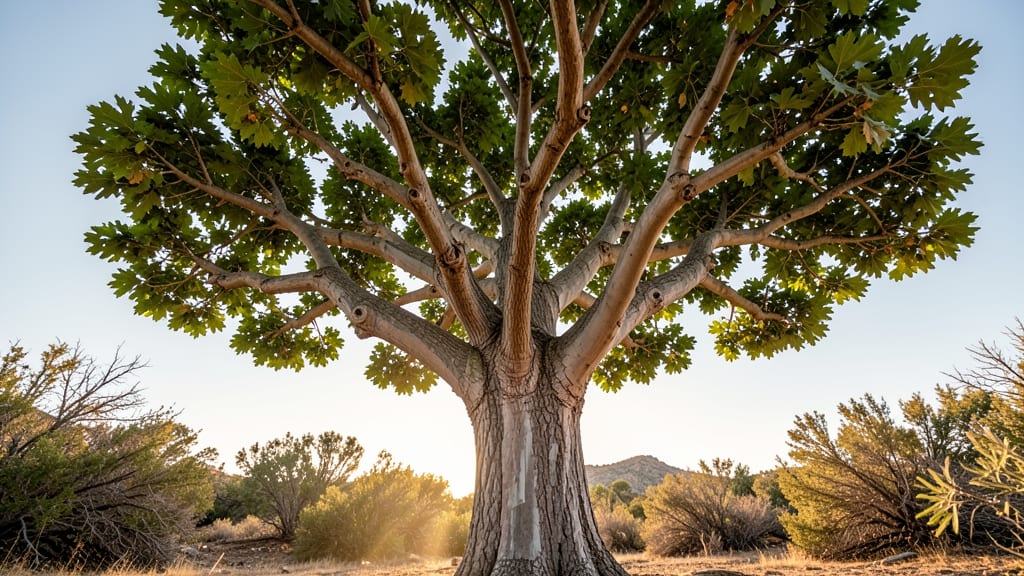
If you live in a wildfire-prone Mediterranean climate, the California sycamore (Platanus racemosa) could be your new lifeline. Unlike many trees that succumb to embers, this native species has a thick, fire-resistant bark that protects it from intense heat, while its broad canopy provides year-round shade—a rare combo for high-risk zones.
Plant it in well-drained soil with full sun exposure and water deeply during the first year to establish strong roots. Once mature, it thrives on occasional watering, making it perfect for drought-prone areas. The tree’s distinctive peeling bark and lush green leaves also add visual interest to landscapes, blending beauty with resilience.
Homeowners in fire-prone regions or those seeking low-maintenance shade trees will appreciate its dual role as both a safety feature and a landmark plant. Just be sure to give it space—it can grow up to 80 feet tall! 🌟
Fragrant Bradford Pear for Seasonal Interest
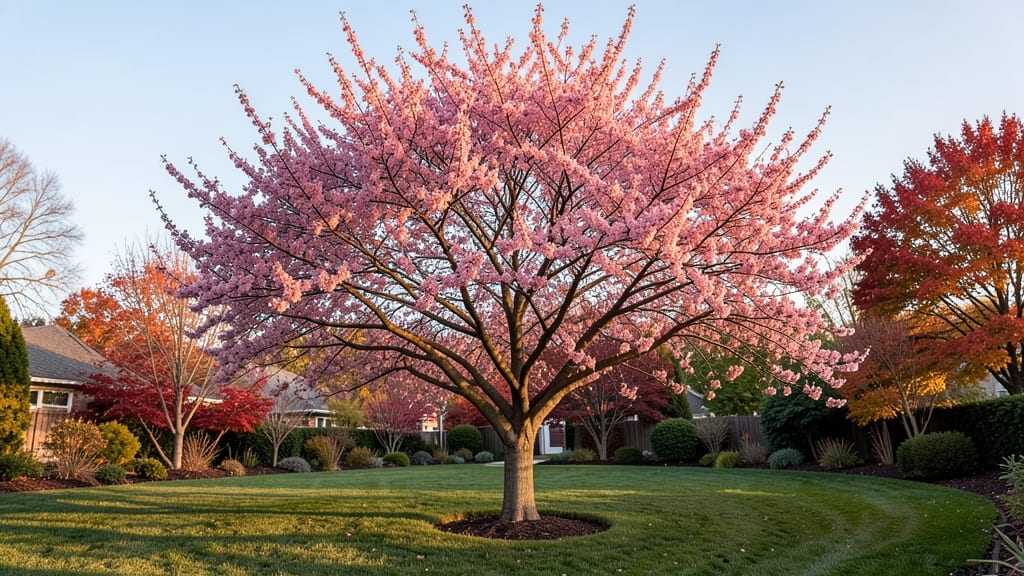
Looking for a tree that transforms your suburban yard from ordinary to extraordinary with minimal effort? The Bradford pear delivers two seasons of color—showy pink blooms in early spring and fiery fall foliage—while requiring less pruning than many ornamental trees.
This deciduous tree thrives in full sun to partial shade and handles urban conditions well, from compacted soil to occasional drought. Plant it where you can enjoy its fragrant blossoms from a distance, as the flowers attract bees and butterflies. Just be mindful of its moderate growth rate (30-40 feet tall) and give it space to avoid future pruning headaches.
Perfect for homeowners who want curb appeal without the upkeep, this tree offers year-round interest with its striking bark and winter silhouette. It’s the ideal choice for suburban landscapes where beauty meets practicality. 🌷
Carbon-Sequestering Giant Sequoia for Large Landscapes

If you're looking to make a real impact on climate change while adding grandeur to your landscape, the giant sequoia (Sequoiadendron giganteum) is your answer. This majestic tree isn’t just a living monument—it’s a carbon-sequestering powerhouse, absorbing up to 13 tons of CO₂ annually as it matures.
Native to California’s mountainous regions, giant sequoias thrive in well-draining, slightly acidic soil with full sun exposure and cool summers. While they require ample space (100+ feet tall and wide), their slow growth means they’re low-maintenance once established. For eco-conscious landowners with large properties, this tree offers both environmental benefits and breathtaking, year-round evergreen beauty.
Perfect for those who want to leave a legacy—literally. 🌟