
Trees
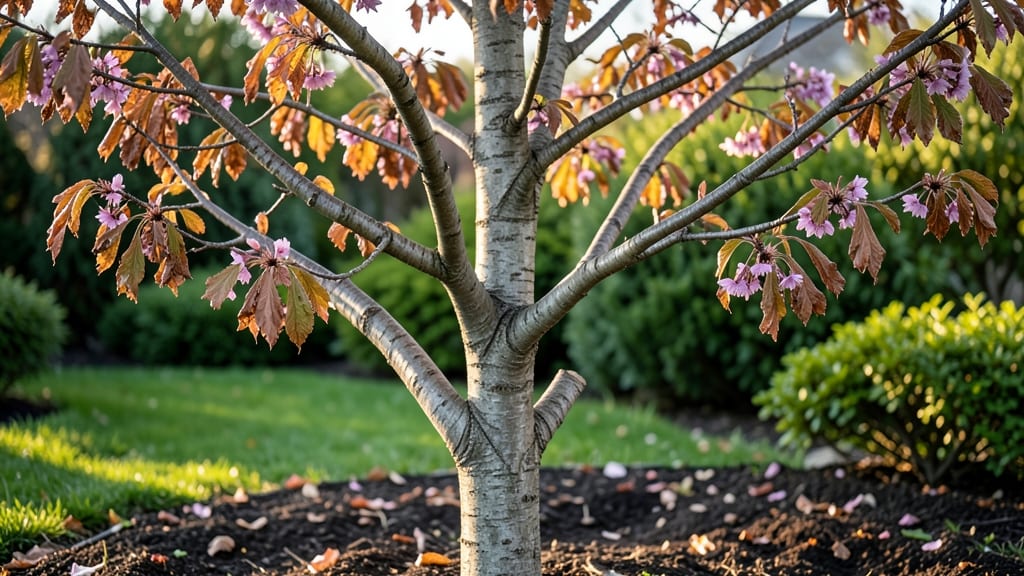
Your redbud tree's brown leaves aren’t a death sentence—just a cry for help. 🌿 I’ve nursed back more than my share of struggling redbuds, and the secret is understanding what’s really causing those dull leaves before jumping to fixes.
It’s not always what you think: sometimes it’s thirst, other times it’s pests hiding in plain sight, and yes, even overwatering can turn vibrant foliage into sad brown patches.
The good news? Redbuds are tougher than they look. Most brown leaf issues fall into three categories: environmental stress (like sudden drought or scorching sun), pests (Japanese beetles love redbuds), or nutrient deficiencies (especially iron or nitrogen).
I’ll walk you through how to spot the difference and what to do—no guesswork, just science-backed solutions that actually work. Think of it like a diagnostic tool for your tree.
By the end, you’ll have a step-by-step plan to revive those leaves—whether it’s adjusting your watering schedule, giving the soil a quick boost, or a targeted spray for pests.
The best part? These fixes don’t just stop the browning—they set your redbud up for next year’s showstopping pink blooms. No more guessing, just results.
We’ll also cover when to prune (and when not to), how to tell if your tree is just shedding naturally, and what to watch for in each season. Redbuds are low-maintenance, but they do need the right care at the right time—and this is where it all starts.
Root Causes Behind Leaf Discoloration
Understanding why your redbud tree’s leaves turn brown is the first step to restoring its health—and its stunning spring blooms. These trees (Cercis canadensis) are hardy but sensitive to environmental stressors, nutrient imbalances, and seasonal shifts.
Below, we break down the most common culprits behind brown leaves, backed by science and actionable insights.
Redbud trees thrive in USDA Zones 4–9, but extreme weather can push them past their limits. Brown leaves often signal osmotic stress, where the tree struggles to regulate water uptake due to:
- Drought or Underwatering - Why it happens: Redbuds have moderate drought tolerance, but prolonged dry spells cause leaf scorch (brown edges or entire leaves turning crispy).
The tree prioritizes water for roots and new growth, sacrificing older leaves first. - Science behind it: When soil moisture drops below 30%, root pressure weakens, and abscisic acid (a stress hormone) triggers leaf drop to conserve water. - Actionable fix: Water deeply 1–2 times per week during dry spells (1–1.5 inches per session).
Use mulch (3–4 inches) to retain moisture and regulate soil temperature.
- Heat or Sunburn - Why it happens: Young redbud trees or those in full-sun, high-heat zones (e.g., Zone 8+) may develop brown patches from UV damage or transpiration stress (losing more water than roots can absorb). - Science behind it: Chlorophyll breaks down under intense sunlight (>90°F), leading to necrosis (dead tissue).
Leaves may curl or bleach before browning. - Actionable fix: Provide afternoon shade (use shade cloth if needed) or plant in partial shade (3–6 hours of morning sun). Avoid pruning in summer to reduce stress.
- Cold or Frost Damage - Why it happens: Redbuds are cold-hardy, but late spring frosts (after buds swell) or winter desiccation (dry winds + cold) can cause brown, papery leaves. - Science behind it: Frost damages cell membranes, while winter winds dry out leaves faster than roots can replace moisture (embolism). - Actionable fix: Water trees before winter to boost cold resistance.
Wrap young trees in burlap if frost is forecasted. Avoid pruning in late fall/winter to prevent sapping.
Brown leaves can scream nutritional deficiencies, often tied to poor soil pH or imbalances. Redbuds prefer slightly acidic to neutral soil (pH 6.0–7.5) but suffer when key nutrients are lacking.
| Symptom | Likely Cause | How to Fix It |
|---|---|---|
| Yellow-brown leaves (older leaves first) | Nitrogen deficiency | Apply balanced fertilizer (10-10-10) in early spring. Use compost for slow release. |
| Brown edges on new leaves | Potassium deficiency | Add wood ash (sparingly) or a potassium-rich fertilizer (like greensand). |
| Pale green + brown spots | Magnesium/Chlorosis | Apply Epsom salt (1 tbsp/gallon water) as a foliar spray. Test soil pH—lime may be needed. |
| Stunted growth + brown tips | Iron deficiency | Use chelated iron (spray or soil drench). Acidify soil with sulfur if pH >7.0. |
💡 Pro Tip: Conduct a soil test (via your local extension office) before fertilizing—overdoing it can burn roots and worsen browning!
Brown leaves aren’t always environmental—pests and pathogens can silently drain your tree’s vitality. Watch for these silent killers:
- Spider Mites - Why it happens: These tiny pests suck sap, causing stippling (white/yellow dots) that turn brown.
Severe infestations lead to premature leaf drop. - Science behind it: Mites thrive in dry, hot conditions and inject toxins that disrupt chlorophyll production. - Actionable fix: Spray with neem oil or insecticidal soap. Increase humidity with mulch or drip irrigation.
- Scale Insects - Why it happens: These armored pests cluster on branches, excreting honeydew (a sugary substance) that fosters sooty mold—a black fungus that blocks sunlight and turns leaves brown. - Science behind it: Scale weakens the tree by blocking nutrient transport, leading to chlorosis (yellowing) → necrosis (browning). - Actionable fix: Scrape off infestations with a plastic scraper.
Apply horticultural oil in dormant season (fall/winter).
- Fungal Infections (Anthracnose, Powdery Mildew)
- Why it happens: Overly wet leaves or poor air circulation invite fungi like anthracnose, which causes dark brown spots with yellow halos or powdery white coatings (mildew).
- Science behind it: Fungi clog stomata (leaf pores), preventing gas exchange and leading to cell death.
- Actionable fix: Prune for airflow, avoid overhead watering, and apply copper fungicide at first sign of spots.
Not all brown leaves are bad—redbuds are deciduous and follow a natural cycle:
- Fall: Leaves turn brown/yellow as chlorophyll breaks down (normal!).
- Spring: Old leaves may brown before new ones emerge (prune them to encourage growth).
- Dormancy: In extreme cold, leaves may drop early to conserve energy.
✨ Key Difference: Healthy seasonal browning happens gradually and evenly. Sudden, patchy browning = stress or disease.
Revive Your Redbud Tree’s Beauty
Brown leaves on your redbud tree don’t have to mean goodbye to its stunning spring blooms. With the right approach, you can nurse it back to health and restore its vibrant foliage.
Below, we break down practical, science-backed solutions tailored to the most common causes—plus tips to keep your tree thriving long-term.
If brown leaves stem from poor nutrition, your redbud is essentially "hungry." Redbuds thrive in well-drained soil rich in organic matter, but urban or compacted soils often lack essential nutrients.
🔥 Step 1: Test Your Soil
Before guessing, know what’s missing! Use a soil test kit (available at garden centers) to check pH and nutrient levels.
Redbuds prefer: - pH 6.0–7.0 (slightly acidic to neutral) - Balanced NPK (Nitrogen, Phosphorus, Potassium) with extra magnesium (if leaves show yellow between veins).
🍳 Step 2: Amend the Soil
- For poor soil: Mix compost or well-rotted manure into the top 6–12 inches of soil around the tree’s drip line (the area where branches extend).
- For quick fixes: Apply a slow-release granular fertilizer (like 10-10-10) in early spring or fall.
Follow package instructions—over-fertilizing burns roots! - For magnesium deficiency: Sprinkle Epsom salt (magnesium sulfate) around the base (1 tbsp per gallon of water, applied monthly until leaves green up).
👨🍳 Step 3: Mulch Like a Pro
- Spread 2–4 inches of organic mulch (wood chips, shredded bark) around the tree, keeping it 3–6 inches away from the trunk to prevent rot.
- Pro tip: 💡 Refresh mulch annually to maintain nutrients and moisture.
Drought stress causes leaves to brown and crisp at the edges. Redbuds are drought-tolerant once established, but young trees or dry spells need extra care.
🌡️ Step 1: Check Moisture Levels
- Stick your finger 2 inches into the soil. If it’s dry, it’s time to water.
- Signs of underwatering: Brown, crispy leaf edges; wilting despite soil appearing moist (common in clay or sandy soils).
🔥 Step 2: Water Deeply and Infrequently
- Young trees (1–3 years): Water 1–2 times per week (10–15 gallons per watering).
- Mature trees: Water every 2–3 weeks during dry spells (unless rainfall exceeds 1 inch/week).
- Best method: Use a soaker hose or drip irrigation to deliver water slowly to the roots, avoiding wetting leaves (fungus risk).
⏰ Step 3: Adjust for Season
- Spring/Fall: Water in the early morning to reduce evaporation.
- Summer: Water deeply in the evening to prevent midday stress.
- Winter: Reduce watering unless your area has prolonged dry spells (brown leaves in winter often signal other issues, like frost damage).
Brown leaves can also signal an unseen battle—pests or pathogens sucking the life out of your tree.
🐜 Common Culprits & Fixes
| Problem | Signs | Solution |
|---|---|---|
| Spider Mites | Tiny webs, stippled brown leaves | Spray neem oil (mix 1 tbsp/quart water) or horticultural oil weekly. |
| Scale Insects | Sticky residue (honeydew), wilted leaves | Scrape off infestations; apply insecticidal soap or dormant oil in winter. |
| Fungal Leaf Spot | Brown spots with yellow halos | Prune infected branches; apply copper fungicide or baking soda spray (1 tsp baking soda + 1 quart water + a drop of soap). |
| Bacterial Leaf Scorch | Brown edges, veins stay green | Remove severely infected leaves; improve soil drainage and water deeply. |
🎯 Prevention Tips
- Inspect regularly: Check undersides of leaves and new growth for early signs.
- Encourage predators: Attract ladybugs and lacewings with native plants like dill or yarrow.
- Prune properly: Remove dead/diseased branches in late winter/early spring (sterilize pruners with rubbing alcohol).
Extreme temperatures, wind, or poor planting can shock your redbud into browning its leaves.
🔥 Step 1: Shield from Harsh Conditions
- Young trees: Use a tree guard or burlap wrap to protect from winter winds or summer sun scorch.
- Mature trees: Ensure 3–6 feet of space from sidewalks/buildings to avoid root competition or compaction.
🌡️ Step 2: Adjust for Climate Zones
- Cold climates (Zones 4–5): Mulch heavily (6 inches) in winter to insulate roots.
- Hot/dry climates (Zones 6–9): Plant in partial shade if possible; group with deeper-rooted trees to share moisture.
✨ Long-Term Care
- Avoid over-pruning: Redbuds bloom on old wood—prune only after flowering (late spring/early summer).
- Monitor for transplant shock: If recently planted, water deeply 2–3 times per week for the first year.
Remember: Patience is key! Some brown leaves may take 4–6 weeks to recover after treatment. If your tree’s new growth stays green and it’s producing buds, it’s on the mend.
For persistent issues, consult a local arborist—they can diagnose hidden problems like root rot or soil toxicity. 🌿
Frequently asked questions
Why are my redbud tree leaves turning brown in spring when they should be green?
Spring browning often signals late frost damage or nutrient deficiencies after winter. Redbuds are sensitive to cold snaps after buds form—if temperatures dip below 28°F when flowers appear, leaves may brown. Test soil for nitrogen or iron deficiencies too, as these are common after winter dormancy.
Can I prune brown leaves off my redbud tree to encourage new growth?
Yes! Prune only dead or diseased brown leaves—never healthy green ones. Use clean, sharp shears to cut just above a leaf node (the bump where leaves attach). Avoid heavy pruning in late summer/fall, as redbuds bloom on old wood. Focus on removing 1/3 or less of the canopy at a time.
Is it normal for redbud tree leaves to brown and drop in summer?
Not typically. While redbuds are drought-tolerant, sudden summer browning usually means underwatering or heat stress. Water deeply 1–2 times per week (1–1.5 inches per session) and provide afternoon shade if temperatures exceed 90°F. Mulch helps retain moisture and protect roots.
How do I tell if my redbud tree’s brown leaves are from pests vs. disease?
Check for pest signs: Spider mites leave stippling (tiny white/yellow dots) and webs; scale insects create sticky honeydew. For disease, look for fungal spots (brown with yellow halos) or powdery white coatings. If you see no visible pests or spots, the issue is likely environmental (drought, sunburn, or nutrient deficiency).
Will fertilizing my redbud tree help with brown leaves?
Only if the issue is a nutrient deficiency! Test soil first—redbuds prefer pH 6.0–7.0. Use a balanced fertilizer (10-10-10) in early spring if leaves show yellowing between veins (magnesium deficiency). Avoid fertilizing in summer or fall, as it can stress the tree. Over-fertilizing burns roots and worsens browning.