
Pests and Diseases
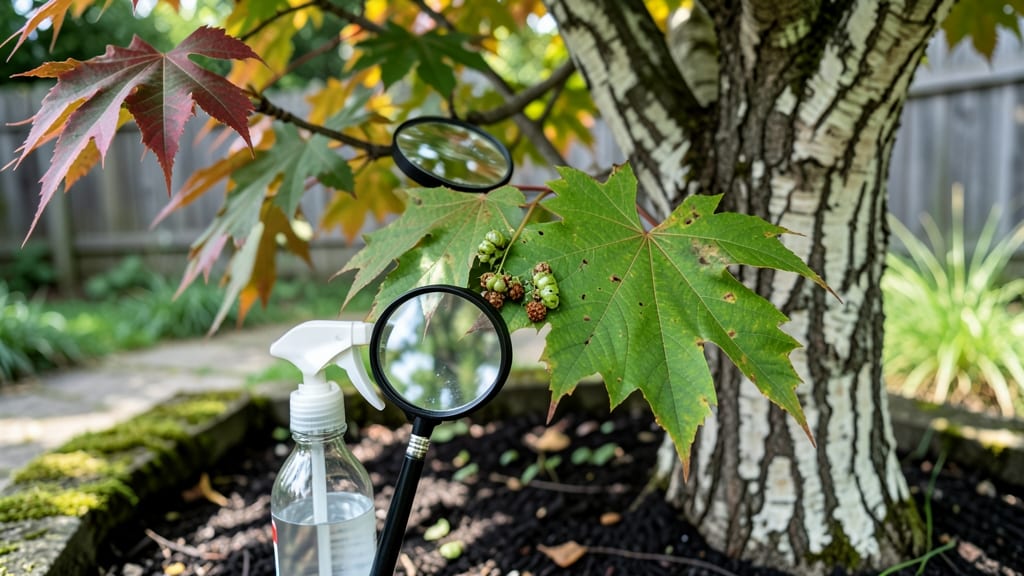
Red bumps on tree leaves aren’t just ugly—they’re a silent SOS from your trees. 🌳 I’ve seen everything from tiny red mites to fungal galls, and the first step is figuring out what’s actually causing them before it spreads. The good news?
Most cases have simple fixes once you know the culprit. These bumps can be gall wasps (hard, red, and woody), spider mites (tiny red specks with webbing), or even environmental stress like sun scorch.
The key is checking size, location, and season—spring bumps are usually insect-related, while summer spots might be fungal. A magnifying glass helps, but your phone camera works too. Once you identify the problem, solutions range from pruning out galls to spraying neem oil for mites.
Early action keeps your tree healthy and prevents next year’s infestation. The sooner you act, the easier it is to save those leaves—and your tree’s future. This works for fruit trees, shade trees, and even ornamentals. Let’s get those leaves back to their best!
Root Causes Behind Leaf Bumps
Seeing red bumps on your tree leaves can be alarming, but understanding the why behind them is the first step to solving the problem. These bumps aren’t just random—they’re often a plant’s way of signaling stress, infection, or an unwelcome visitor.
Below, we break down the most common reasons your tree’s leaves are developing these unsightly red lumps, along with the science that explains them.
Many red bumps on leaves are actually the work of sap-sucking insects or their egg-laying sites. These pests pierce the leaf surface to feed, leaving behind raised, reddened areas as the plant reacts to the damage. Here’s what’s likely at play:
- Spider Mites: These microscopic arachnids (not true bugs) create tiny red or yellow speckles where they feed. Their saliva disrupts the leaf’s chlorophyll, causing stippling—tiny red or brown dots that eventually merge into bumps. Pro Tip: Check the undersides of leaves with a magnifying glass; mites thrive in dry conditions and often leave fine webbing. 🔍
- Scale Insects: These immobile pests attach themselves to leaves and stems, sucking sap. Their feeding causes red, crusty bumps to form around their bodies. Some scales (like cottony cushion scale) leave behind a fluffy white residue, while others (like armored scales) create hard, shell-like red or brown bumps. 🛡️
- Leafhoppers & Aphids: These jumping insects leave behind honeydew (a sticky residue) and tiny red or black specks where they pierce leaves. Over time, fungal growth on honeydew can turn these spots into raised, discolored bumps. 🍯
- Eggs of Sawflies or Leafminers: Some insects lay eggs in clusters on leaves, and the red bumps you see are the egg masses themselves. Sawfly larvae, for example, create bright red or orange egg sacs that resemble tiny berries. 🥚
Why it happens: When pests feed, they inject toxins or disrupt the leaf’s vascular system. The plant responds by necrotizing (dying off) tissue around the wound, creating the red or brown bumps you see. In severe cases, this stress weakens the tree, making it more susceptible to disease.
Not all red bumps are caused by living organisms—sometimes, your tree is reacting to physical stress from its environment. Extreme conditions can trigger cellular damage, leading to unsightly bumps:
- Sun Scald: Young, tender leaves exposed to intense afternoon sun (especially after frost or in high-desert climates) can develop red or purplish bumps. This happens when photosynthesis is disrupted, and the leaf’s cells produce excess anthocyanins (pigments) as a protective response. 🌞
- Cold Damage: Sudden freezes or late spring frosts can cause ice crystal formation within leaf cells, leading to red or brown necrotic spots. These spots may later harden into bumps as the tissue dies and curls. ❄️
- Wind or Hail Injury: Physical trauma from storms can rupture leaf cells, causing red or purple discoloration that hardens into bumps over time. This is common in broadleaf trees like maples or oaks. 🌪️
- Drought Stress: When roots can’t supply enough water, leaves may develop abscission layers (pre-programmed death zones) that appear as red, raised bumps before the leaf falls. 💧
Why it happens: Environmental stress triggers the plant’s abscisic acid (ABA) response—a hormone that signals cells to either protect themselves (by producing pigments) or self-destruct (via programmed cell death). The red bumps are essentially scar tissue where the leaf is trying to contain damage.
Some red bumps are symptoms of pathogenic microbes that infect leaves, causing cellular overgrowth or necrosis. These infections often start as small spots but can evolve into raised, crusty, or pustule-like bumps:
- Anthracnose: A fungal disease that creates sunken, red or purple bumps with dark margins. It thrives in wet conditions and is common on trees like sycamores, maples, and dogwoods. The bumps often ooze a pinkish spore mass when wet. 🍄
- Rust Fungi: These pathogens produce bright red, orange, or yellow pustules on the leaf surface. Rust spores erupt through the leaf epidermis, creating raised, blister-like bumps. Common hosts include oaks, pines, and azaleas. 🎨
- Bacterial Leaf Spot: Bacteria like Xanthomonas or Pseudomonas cause small, water-soaked spots that turn red or brown and may develop a raised, crusty texture as the infection progresses. These bumps often have a greasy or slimy appearance. 🧫
- Powdery Mildew (Advanced Stages): While usually white, severe cases can cause reddish-purple bumps as the fungus penetrates deeper into the leaf tissue, triggering a stress response. 🌀
Why it happens: Fungi and bacteria infiltrate leaf cells, disrupting their normal function. The plant’s immune system responds by walling off the infection, creating necrotic lesions (dead tissue) that appear as bumps. Some pathogens also induce gall formation, where the plant’s cells grow abnormally in response to the invader.
While less common, nutrient imbalances can sometimes lead to red bumps or discoloration. The most likely culprits are:
- Magnesium Deficiency: Leaves may develop interveinal red or purple mottling that hardens into bumps, especially in older foliage. Magnesium is crucial for chlorophyll production, and its lack causes stress-induced anthocyanin buildup. 🍃
- Potassium Deficiency: Leaves can show reddish-brown, raised spots along the edges, a sign of cellular breakdown due to poor water regulation. Potassium helps maintain turgor pressure (cell rigidity). 💧
- Excess Phosphorus: Too much phosphorus can lock out other nutrients, leading to red or purple bumps as the tree struggles with zinc or iron deficiencies. This is more common in alkaline soils. 🏗️
Why it happens: When a tree lacks essential nutrients, it prioritizes growth in new leaves while older leaves suffer. The red bumps form as the plant redirects energy to protect critical functions, often through pigment changes or localized cell death.
Fixing Leaf Bumps Naturally
Now that you’ve identified the cause of those pesky red bumps on your tree leaves—whether it’s fungal infections, insect infestations, or environmental stress—it’s time to take action. The good news?
Most issues can be resolved with targeted, eco-friendly solutions. Below, we’ve mapped out practical fixes for each common culprit, plus prevention tips to keep your tree thriving long-term.
Fungal bumps often appear as velvety red patches, orange pustules, or white powdery coatings. The key to treating them? Remove the fungus’s food source (moisture and debris) and apply natural fungicides.
🔥 Step 1: Prune and Clean Up
- 👨🍳 Trim infected branches at least 6 inches below the bumps to prevent spread. Sterilize pruners with rubbing alcohol between cuts.
- 🧹 Rake up fallen leaves and dispose of them in the trash (not compost)—fungi love decaying organic matter.
🍳 Step 2: Improve Airflow
- ✂️ Thin out dense foliage to allow sunlight and air to circulate. Fungi thrive in damp, shaded conditions.
- 🌡️ Water at the base (not overhead) and avoid late-day watering to keep leaves dry.
🥘 Step 3: Apply Natural Fungicides
Mix one of these DIY sprays and apply during early morning or evening (when the sun isn’t intense): - Baking soda spray: 1 tbsp baking soda + 1 tsp dish soap + 1 gallon water.
Spray every 7–10 days. - Neem oil solution: 2 tbsp neem oil + 1 tsp mild soap + 1 quart water. Shake well and spray until leaves are damp. - Copper fungicide: Use a store-bought organic copper-based spray (follow label instructions).
💡 Prevention Tips
- 🌱 Choose resistant varieties (e.g., disease-resistant maple or oak trees if local issues are common).
- 🌿 Mulch properly: Use 2–3 inches of organic mulch (like wood chips) but keep it 6 inches away from the trunk to prevent moisture buildup.
- 🌡️ Monitor humidity: Use a hygrometer to keep indoor/outdoor humidity below 60%.
Tiny red bumps or stippling on leaves? Chances are, sap-sucking insects are to blame. These pests weaken trees by draining nutrients, leaving behind sticky residue (honeydew) and secondary fungal growth.
🔥 Step 1: Blast Off Pests
- 💦 Spray with water: A strong stream from the hose can dislodge spider mites and aphids.
Do this in the early morning. - 🍳 Soap spray: Mix 1 tbsp castile soap + 1 quart water and spray directly on infested areas. Reapply every 3–5 days.
👨🍳 Step 2: Introduce Beneficial Predators
- 🐞 Ladybugs, lacewings, or parasitic wasps (like Aphidius colemani) eat aphids and mites naturally. Buy them online or from garden centers.
- 🌿 Plant companion flowers (e.g., marigolds, dill, or yarrow) to attract these helpful insects.
🥘 Step 3: Use Horticultural Oil (For Scale & Mealybugs)
- 🛡️ Apply dormant oil (like Safer Brand Dormant Spray) in early spring or fall when pests are less active. Cover all leaf surfaces thoroughly.
- 🔄 Repeat every 7–14 days until infestation clears.
💡 Prevention Tips
- 🌱 Inspect new plants before bringing them home—quarantine for 2 weeks to spot hitchhiking pests.
- 🌿 Avoid over-fertilizing (especially with nitrogen), which attracts soft-bodied insects.
- 🌡️ Use reflective mulch (like aluminum foil) around young trees to deter spider mites (they hate bright light).
Red bumps caused by physical damage (like sun scald or hail) or chemical burns (fertilizer/herbicide drift) require a different approach—protection and recovery.
🔥 Step 1: Shield the Tree
- 🌿 For sunburn: Wrap young trees in tree guard (a flexible plastic wrap) to protect bark and leaves from harsh afternoon sun.
- 🛡️ For hail damage: Prune broken branches and avoid fertilizing until the tree recovers (it’s already stressed).
🍳 Step 2: Flush the Soil
- 💦 Deep-water the tree to help it recover from chemical burns. This dilutes residual herbicides or fertilizers in the root zone.
- 🌱 Add compost to improve soil health and help the tree absorb nutrients more efficiently.
🥘 Step 3: Avoid Further Harm
- ❌ Stop using herbicides near the tree (even "organic" ones can cause damage).
- 🌡️ Monitor weather forecasts and cover young trees with frost cloth if late-season hail is predicted.
💡 Prevention Tips
- 🌱 Plant trees in the right location—avoid full-sun spots for shade-loving species (e.g., dogwoods).
- 🌿 Use slow-release, organic fertilizers to prevent nutrient spikes that stress roots.
- 🛡️ Create a buffer zone: Plant a 2-foot grass or mulch strip around the tree’s drip line to reduce chemical drift risks.
No matter the cause, strong trees resist pests and diseases better.
Keep your foliage happy with these year-round habits: - 📊 Test your soil every 2–3 years (local extension offices offer cheap kits). - 💪 Water deeply but infrequently (1–2 inches per week, depending on climate). - 🌿 Avoid compacting soil around the base—use stepping stones or mulch paths. - 👀 Inspect monthly for early signs of stress (yellowing, wilting, or unusual bumps).
Remember: Patience is key! Some issues (like fungal infections) may take 4–6 weeks to fully resolve. If your tree’s condition worsens despite treatment, consult a certified arborist for a professional diagnosis.
With the right care, your tree will bounce back—and those red bumps will become a distant memory! 🌳💚
Frequently asked questions
Are red bumps on tree leaves always harmful?
Not necessarily! While many red bumps indicate pests, disease, or stress, some are harmless. For example, gall wasps create distinctive red, woody growths that don’t harm the tree long-term. Others, like anthocyanin pigmentation (reddish discoloration from cold or drought), are just the tree’s natural response. Always check for webbing, sticky residue, or spreading damage to determine if action is needed.
How can I tell if red bumps are from spider mites vs. a fungal infection?
Look closely for these clues: Spider mites cause tiny red specks with fine webbing on leaf undersides, while fungal infections create larger, crusty, or pustule-like bumps that may ooze spores. Test by gently scraping a bump—mites leave powdery residue, while fungi often have a velvety or powdery texture. Check for honeydew (sticky residue) under leaves, which signals mites or aphids.
Will pruning infected branches help stop the spread of red bumps?
Pruning is one of the best defenses. Cut off infected branches 6 inches below visible bumps and sterilize your tools with rubbing alcohol between cuts. For fungal issues, dispose of pruned branches in the trash (not compost) to prevent spores from spreading. Repeat pruning every 2-3 weeks during active growth to contain the problem before it worsens.
Can I use store-bought pesticides if natural remedies fail?
Only as a last resort—start with organic options first! If you must use chemicals, choose neonicotinoid-free insecticides or copper-based fungicides labeled for your specific issue. Always follow label instructions precisely, and avoid spraying when bees or beneficial insects are active. For severe cases, consult a certified arborist to assess whether chemical treatment is truly necessary.
How long does it take to see improvement after treating red bumps?
Results vary by cause: Fungal issues may show improvement in 2-4 weeks with consistent treatment, while insect infestations can clear up in 1-2 weeks if caught early. Environmental stress (like sun scald) may take several months for new growth to fully recover. Monitor progress weekly and adjust treatments if bumps persist or spread—patience and persistence are key!