
Pruning
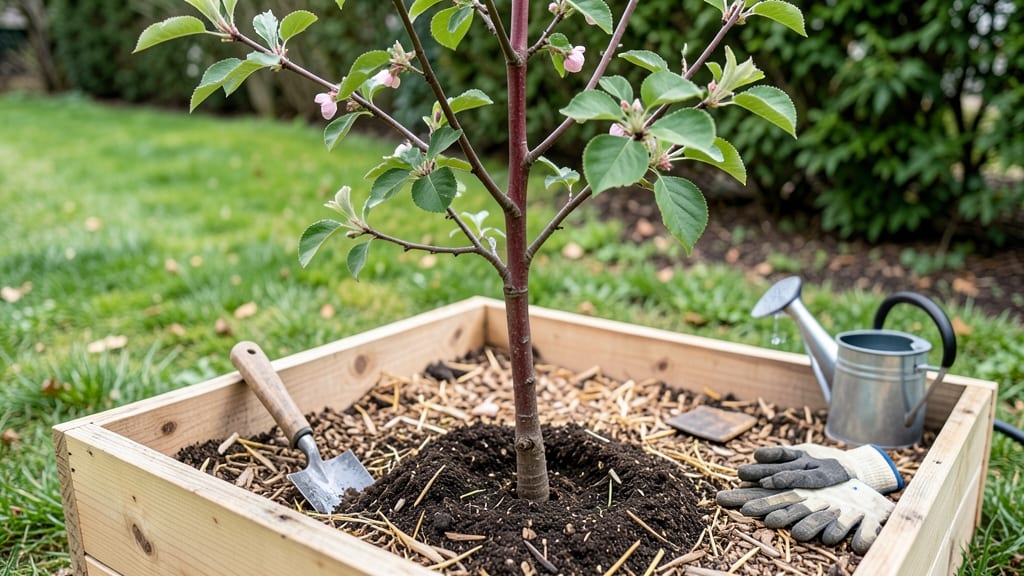
Planting trees in raised beds lets you grow full-sized specimens where in-ground planting would fail—even in tight spaces or poor soil. 🌳 I learned the hard way that not all trees thrive in raised beds (my first attempt with a fast-growing willow nearly split the wood!), but the right species and setup can produce stunning results in just a few seasons.
Start with dwarf or columnar varieties like Japanese maples, fruit trees on dwarfing rootstock, or ornamental cherries—their compact root systems adapt well to raised beds.
You’ll need a bed at least 3 feet deep (deeper for larger trees) and 12-18 inches wider than the root ball, with drainage holes if using containers. The soil mix should be 60% topsoil, 30% compost, and 10% perlite for aeration.
After planting, water deeply every 3-4 days for the first month, then taper to once a week. Mulch with 2-3 inches of wood chips to retain moisture and suppress weeds.
Within a year, you’ll see strong trunk growth and lush foliage—proof that raised beds can handle trees just as well as flowers.
Watch for root-bound issues (common with container-grown trees) by checking the root flare at the soil line. If roots circle the root ball, gently loosen them before planting. For long-term success, rotate crops or remove spent trees every 5-10 years to refresh the bed’s nutrients.
📚 In This Guide
- What you need
- Instructions
- Tips and common mistakes
- Wrapping up and next steps
What you need
- ● Raised bed frame: Wooden, metal, or composite (minimum 4’ x 4’ x 12” deep for small trees; deeper for larger species).
- ● Quality soil: 60% topsoil, 30% compost, and 10% perlite/sand (sterilized to avoid pests). ~2 cubic yards per 4’x4’ bed.
- ● Tree saplings: Choose dwarf or semi-dwarf varieties (e.g., fruit trees, ornamental trees). 1–3 plants per bed (spacing depends on mature size).
- ● Organic mulch: 3–4 inches of wood chips, straw, or shredded leaves (retains moisture, suppresses weeds).
- ● Drip irrigation or soaker hose: 1/2” tubing with emitters (automated systems save time!).
- ● Tree supports: Stakes or spiral ties (for young, top-heavy trees).
- ● Garden trowel (for planting holes).
- ● Shovel & wheelbarrow (for soil mixing/moving).
- ● Measuring tape (to ensure proper spacing).
- ● Pruners (sterilized, for trimming roots/shoots).
- ● Gloves & knee pads (protection + comfort!).
- ● Slow-release fertilizer (e.g., osmocote for nutrient boosts).
- ● Soil pH test kit (adjust with lime/sulfur if needed).
- ● Tree guards (protects from critters/deer).
- ● Compost tea (foliar spray for extra growth).
Step-by-Step instructions for planting trees in raised beds
Here's how to give young trees the perfect start in a raised bed—layer by layer.
🌱 Step 1: Prepare the Raised Bed for Tree Roots
Start by removing any weeds or grass from the bed and loosen the soil to a depth of 12 inches with a garden fork. I like to mix in a 2-inch layer of compost at the bottom to improve drainage and provide nutrients right where the roots will settle. The bed should be at least 2 feet wide and deep to accommodate root growth without crowding.
For drainage, add a 3-inch layer of coarse gravel or broken pottery shards at the very bottom. This prevents waterlogging, which can suffocate roots. Press it down lightly so it doesn’t shift when you add soil later. The goal is to create a stable, well-draining foundation—think of it as the tree’s first layer of support.
🪴 Step 2: Choose and Plant the Tree
Select a tree with a root ball no larger than 1/3 the diameter of the bed. Smaller trees like fruit trees, ornamental cherries, or dwarf varieties thrive in raised beds. Dig a hole in the center of the bed that’s just deep enough to fit the root ball without bending the roots. Gently remove the tree from its container and loosen any circling roots with your fingers.
Place the tree in the hole so the top of the root ball sits 1 inch above the bed’s soil level. This prevents the roots from sitting in soggy soil. Fill the hole with native soil or a mix of 50% native soil and 50% compost, pressing lightly as you go to eliminate air pockets. Water deeply to settle the soil around the roots—you’ll know it’s right when water drains through the bottom of the bed.
☀️ Step 3: Mulch and Protect the Tree
Spread a 3-inch layer of organic mulch (like wood chips or straw) over the bed’s surface, keeping it 6 inches away from the tree trunk to avoid rot. Mulch helps retain moisture and regulate soil temperature, which is especially important in raised beds that dry out faster. I like to use a mulch that breaks down slowly so I don’t have to refresh it every season.
Install a tree stake or support if your tree is tall or top-heavy. Tie it loosely with soft fabric strips so it doesn’t cut into the trunk as the tree grows. Water the tree deeply once a week for the first month, letting the soil dry slightly between waterings. You’ll see new growth within 4-6 weeks if everything’s just right—keep an eye out for leaves that look perky and vibrant.
⏰ Step 4: Monitor and Maintain Through the First Year
Check the soil moisture weekly by sticking your finger 1 inch deep. If it feels dry, water slowly at the base until moisture reaches 6 inches down. Avoid overhead watering, which can spread disease. In the first year, focus on root development—this is when the tree establishes itself for years of growth.
Fertilize lightly in early spring with a balanced, slow-release fertilizer (like 10-10-10) to support new growth. Prune only to remove dead or crossing branches—never prune more than 25% of the tree’s foliage in its first year. By the end of the season, your tree should look sturdy, with a strong trunk and lush canopy. That’s your sign it’s thriving in its raised-bed home.
Tips & tricks for perfect raised bed tree planting
A few simple strategies will help your young trees thrive in their new raised-bed home—avoiding the most common pitfalls that trip up new gardeners.
Soil Depth Matters: When loosening soil to that 12-inch depth in Step 1, don't just scratch the surface. Use a garden fork to break up compacted layers all the way down—this creates proper root pathways. I've seen trees fail because roots couldn't penetrate past a hardpan just 6 inches down. Think of it like building a highway for roots: wide lanes and smooth pavement mean better growth. After loosening, press down the 3-inch gravel layer firmly so it doesn't shift when you add soil later.
Root Ball Positioning: The 1-inch elevation above soil level in Step 2 is non-negotiable—this prevents root rot from sitting too low. Here's what I do: After placing the tree, I use a level to check the position. If it's too low, add more soil; if too high, gently lift and adjust. You'll know it's right when water drains freely through the bottom of the bed. Pro tip: For container-grown trees, gently squeeze the root ball to check moisture before planting—if it's bone dry, soak it first.
Mulch Placement Precision: Keeping that 3-inch mulch layer 6 inches away from the trunk in Step 3 is crucial for preventing rot. I use a ruler to measure from the trunk edge to ensure consistent spacing. For extra protection, I add a small ring of landscape fabric between the mulch and trunk. This creates a moisture barrier while still allowing air circulation. In hot climates, mulch helps maintain cooler soil temperatures—essential for young roots still establishing themselves.
Watering Wisdom: That 6-inch deep moisture check in Step 4 requires patience. I use a screwdriver to probe the soil—when it comes out clean at 6 inches, you've watered enough. For the first month, I water deeply every 5-7 days instead of weekly, because raised beds dry out faster. The key is slow, deep watering at the base rather than quick surface sprinkles that evaporate immediately. You'll see the difference in just a few weeks when leaves stay vibrant and firm.
Pro Tips for Raised Bed Tree Planting
- A few simple strategies will help your young trees thrive in their new raised-bed home—avoiding the most common pitfalls that trip up new gardeners.
- Soil Depth Matters: When loosening soil to that 12-inch depth in Step 1, don't just scratch the surface.
- Root Ball Positioning: The 1-inch elevation above soil level in Step 2 is non-negotiable—this prevents root rot from sitting too low.
Frequently asked questions
Got questions about raised bed tree planting?
Here are answers to the most common ones—so you can grow confidently!
Can I grow any tree in a raised bed?
Not all trees thrive in raised beds! Opt for dwarf or small varieties like Japanese maples, dwarf fruit trees, or ornamental cherries. Avoid large species (e.g., oaks or pines)—their roots need space! Check the tree’s mature size and root spread before planting.
When is the best time to plant a tree in a raised bed?
Plant in early spring (after frost risk passes) or fall (6–8 weeks before first frost). Avoid summer heat, which stresses young roots. If planting in containers, do it in spring for best establishment.
How often should I water a tree in a raised bed?
Water deeply 2–3 times per week for the first year, ensuring moisture reaches the root ball. Raised beds dry faster—mulch heavily (3–4 inches) to retain moisture. After year one, water weekly during dry spells. Drip irrigation works best!
Why is my raised bed tree struggling? Troubleshooting tips!
Yellow leaves? Overwatering or poor drainage—check soil moisture and add sand/perlite if compacted. Wilting? Underwatering or root bind—loosen roots gently if potted. No growth? Nutrient deficiency—fertilize with slow-release organic matter.
Can I reuse a raised bed for another tree after removing one?
Yes! After removal, refresh the soil with compost or new potting mix. Test pH (ideal: 6.0–7.0) and amend if needed. Avoid planting the same tree family (e.g., apple → pear) to prevent disease buildup. Rotate crops like a veggie garden!
Wrapping up and next steps
Planting trees in raised beds is a rewarding way to grow stunning, healthy specimens—even in small spaces! 🌳 By layering roots, optimizing soil, and providing proper care, you can nurture trees that thrive fast.
Whether you’re a beginner or a seasoned gardener, this method opens doors to creativity and sustainability.
Ready to get started? Grab your tools, sketch a simple plan, and pick your first tree—your future canopy awaits! 🌱 Happy planting!