
Pruning
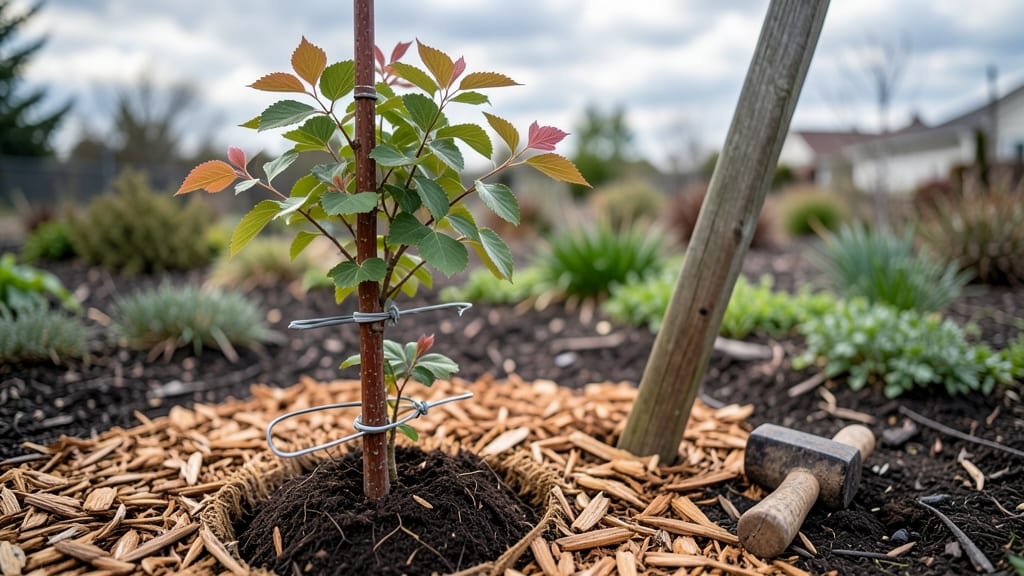
Tree stake wire is the unsung hero of young trees, preventing flopping stems and ensuring straight growth without strangling roots. 🌳 I learned the hard way that flimsy bamboo stakes snap in windstorms—this galvanized wire stays put, giving your plants the foolproof support they need to reach their full height.
You’ll need just three simple supplies: 18-gauge tree stake wire (about 3 feet long), a sturdy wooden or metal stake, and a few rubber tree ties or soft fabric strips.
The wire bends easily around the trunk while the stake anchors deep into the soil, creating a flexible yet rigid system that moves with the tree—not against it. When installed correctly, you’ll see leaves stay upright instead of drooping, stems grow straighter, and roots develop stronger without girdling.
The best part? You can remove the wire after 1-2 seasons once the trunk thickens enough to stand alone. For alternatives, biodegradable stakes work well for short-term support, while spiral supports let trees sway naturally. Either way, proper staking means healthier, sturdier plants that won’t need constant babysitting.
📚 In This Guide
- What you need
- Instructions
- Tips and common mistakes
- Wrapping up and next steps
What you need
- ● Tree stake wire – 10-20 feet (adjust based on plant height; galvanized or coated wire lasts longer).
- ● Wooden stakes or bamboo stakes – 2-4 per plant (4-6 feet tall, ½-inch diameter).
- ● Soft plant ties or garden twine – 1-2 rolls (avoid wire ties to prevent damage).
- ● Measuring tape – For precise spacing and wire length.
- ● Gloves – To protect your hands from wire and thorns.
- ● Pliers or wire cutters – For trimming wire to size.
- ● Hammer or mallet – To drive stakes into the ground.
- ○ Rubber mallet – Optional for gentle stake placement near delicate roots.
- ○ Spray bottle with water – Optional to dampen soil before staking.
- ○ Stake caps or rubber sleeves – Optional to protect plant stems from wire friction.
How to install tree stake wire for tall plants
Here's my go-to method for steady support that won't damage stems or leave ugly marks.
🪴 Step 1: Choose the Right Wire and Stakes
Select 18-20 gauge galvanized tree stake wire—thick enough to hold weight but flexible enough to bend without breaking. For each plant, use two 3-foot stakes placed 6-8 inches from the stem on opposite sides. I like bamboo stakes because they're lightweight and won't rust like metal.
Drive stakes into the ground at a 15-degree angle away from the plant, about 1/3 of their length buried. This creates a stable triangle that resists leaning. Tap them in firmly but don't pound—they should hold steady but not vibrate when touched.
✂️ Step 2: Bend and Secure the Wire
Cut a 12-inch piece of wire for each plant. Bend it into a loose "U" shape with the base slightly wider than the plant's stem diameter. Wrap the wire around the stem 2-3 inches above the base, then loop the ends around the stakes. The wire should form a triangle that gently cradles the stem without squeezing.
Here's the thing—I always leave a little slack in the wire. Too-tight wire cuts into stems as they grow. You want just enough tension to prevent swaying but room for the plant to thicken naturally. Test by gently pushing the stem side-to-side; it should move slightly but not flop.
🌱 Step 3: Adjust as the Plant Grows
Check the wire every 2-3 weeks and adjust as needed. When the plant reaches half the stake height, add a second wire loop 4-6 inches higher to prevent bending. I use the same wire piece by unlooping it, bending it into another "U", and reattaching it above the first loop.
Watch for stems growing against the wire—this creates weak spots. If you see rubbing, immediately loosen the wire or add padding with a soft strip of fabric. The goal is support, not restriction. Most plants will outgrow their stakes by mid-summer, so plan to remove everything before winter to avoid girdling.
☀️ Step 4: Remove Stakes Properly
When your plant is fully established (usually by its second growing season), remove stakes gradually. First, cut the wire loops but leave the stakes in place for 2-3 weeks. This lets the plant strengthen its own structure before removing all support. Pull stakes straight out to avoid disturbing roots—no wiggling or twisting.
I always check for wire marks on stems before removal. If you see indentations, gently rub the area with a soft cloth to stimulate new growth. The plant will thank you with thicker, stronger stems that don't need future support. Store your wire and stakes for next season—they're reusable for years.
Tips & tricks for sturdy plant support without damage
Here's what I've learned after years of trial and error with plant supports—these small tweaks make all the difference.
Material Selection Matters: Galvanized wire is my go-to because it resists rust and lasts for seasons. For the 18-20 gauge wire, I always check for flexibility—it should bend easily but not kink. If you're using metal stakes, opt for coated ones to prevent rust stains on soil. And here's the thing: bamboo stakes might look flimsy, but their lightweight nature actually makes them easier to work with than metal in most garden soils.
Angle and Placement Secret: That 15-degree angle for stakes isn't arbitrary—it creates the strongest triangle possible. When positioning your two 3-foot stakes, place them 6-8 inches from the stem but not directly opposite each other. I like to stagger them slightly (about 3 inches apart at the base) for even better stability. This prevents the plant from getting "pinched" between stakes as it grows.
Wire Tension Test: The 12-inch wire should form a loose triangle that allows gentle movement. Here's how I check: after wrapping, I give the stem a very slight push. If it moves freely but doesn't flop, you've got the right tension. Too-tight wire leaves marks that can girdle stems as they grow thicker. Pro tip: use wire cutters to trim any sharp edges before installation—they can cut through tender young stems.
Growth Monitoring Hack: When you reach the half-height point for adding that second wire loop, I like to mark the stake with a permanent marker at that level. This gives you a visual reference for future adjustments. For plants that grow especially fast (like sunflowers), consider adding a third loop when they reach 3/4 height—just bend another "U" from the same wire piece and attach it higher up.
Pro Tips for Tree Stake Wire
- Here's what I've learned after years of trial and error with plant supports—these small tweaks make all the difference.
- Material Selection Matters: Galvanized wire is my go-to because it resists rust and lasts for seasons.
- Angle and Placement Secret: That 15-degree angle for stakes isn't arbitrary—it creates the strongest triangle possible.
Frequently asked questions
Got questions about using tree stake wire to support your tall plants? You’re not alone! Here are some of the most common queries—and straightforward answers—to help you get the job done right.
What’s the best time of year to install tree stake wire?
Install tree stake wire when your plant is young (3–6 months old) and actively growing. Early spring or late winter is ideal—this gives roots time to establish while the wire provides support. Avoid staking mature trees or plants already struggling with wind; it can damage bark or roots. Pro tip: Wait until after the last frost to avoid stressing tender new growth!
Can I reuse tree stake wire from last year?
Reusing tree stake wire is possible, but check for rust, kinks, or fraying first. Clean it with a wire brush and vinegar solution to remove dirt and prevent corrosion. If the wire is still sturdy, it’s a great eco-friendly choice! Just ensure it’s taut and secure—loose wire won’t support your plants effectively.
What’s the difference between tree stake wire and regular garden twine?
Tree stake wire
is made of durable galvanized steel or plastic-coated metal, designed to handle heavy plants and wind without stretching or breaking. Garden twine, while cheaper, can snap under pressure or degrade quickly. For tall or top-heavy plants (like tomatoes or young trees), wire is the only reliable option.
How tight should the wire be around the plant stem?
The wire should be snug enough to prevent swaying but not so tight that it cuts into the stem or restricts growth. Aim for a loose spiral (like a slinky) with about 1–2 inches of space between wraps. Check the fit every few weeks—adjust as your plant grows! Pro tip: Use a rubber sleeve or old garden hose over the stem to protect it from friction.
What do I do if the wire starts digging into the bark or stem?
If you notice grooves or discoloration, stop using the wire immediately. Loosen the tension, add padding (like a strip of foam or burlap), or switch to a softer support like a tree collar or flexible plastic spiral stake. Never leave wire tightly wrapped—it can girdle the plant and stunt growth. Fix it fast!
Are there alternatives to tree stake wire for delicate plants?
Yes! For delicate stems (like herbs, young seedlings, or ornamental grasses), try:
- Soft ties: Use fabric strips, old T-shirts, or velcro plant ties for gentle support.
- Bamboo stakes: Split and tie them around stems for a natural look.
- Cage supports: Tomato cages or wire mesh cones work well for bushy plants.
Wrapping up and next steps
Using tree stake wire is a game-changer for keeping your tall plants upright and thriving—no more sagging stems or weak growth! 🌱 Whether you're a seasoned gardener or just starting out, this simple solution adds stability without harming your plants.
Now that you know the ins and outs, it’s time to put your new skills to work.
Grab your tree stake wire, follow the steps, and watch your garden flourish with confidence. Need more tips? Check out our guide on proper pruning techniques to keep your plants healthy and happy all season long!