
Trees
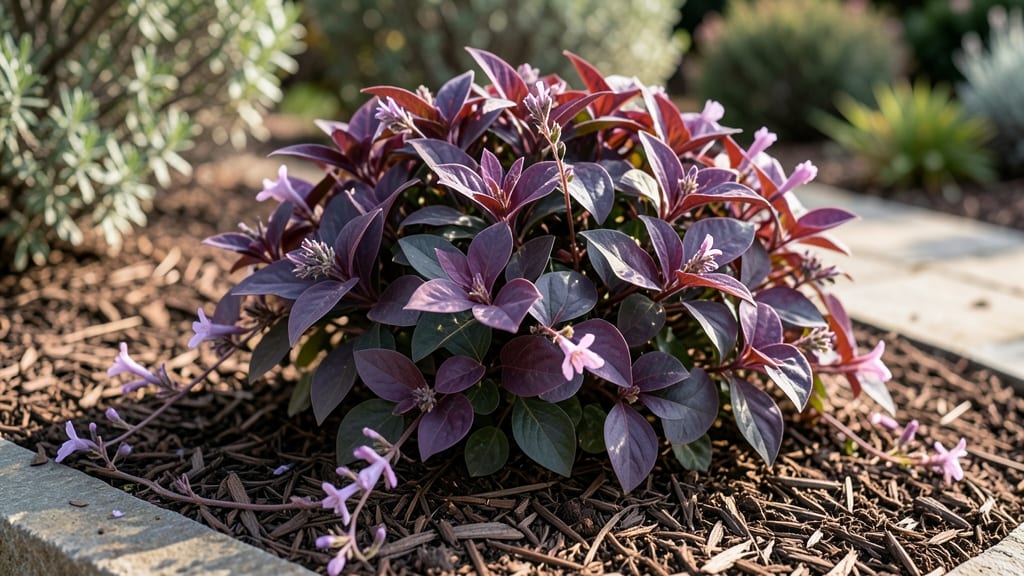
Those jaw-dropping purple leaves of the purple heart tree (Iresine herbstii) are what make it a standout in any garden or windowsill. 🌿 I’ve grown mine for years, and the way it holds its vibrant color—even in blazing summer heat—never fails to impress.
It’s not just a pretty face; this plant is tough, thriving where others wilt, and its care is simpler than you’d think.
The secret to keeping those leaves looking their best? Bright, indirect light (outdoor shade or a sunny windowsill indoors) and letting the soil dry slightly between waterings. Overwatering is the #1 way to dull those rich purples into sad browns.
Mine stays lush by giving it just enough water to keep the soil lightly moist—not soggy. And the soil? Well-draining mix is key—think cactus or succulent blend with a little perlite.
When you see new growth, those leaves start off brightest, but they’ll deepen in color as they mature. A light pinch of fertilizer in spring keeps the vibrancy going, and occasional pruning after flowering (if it does) encourages fuller, bushier growth.
The best part? It’s drought-tolerant once established, so it’s perfect for forgetful gardeners or dry climates.
Whether you’re growing it as a potted houseplant or letting it spill over a container outdoors, this plant delivers year-round drama with almost no fuss. Just watch for pests like spider mites (they love dry conditions too) and give it a quick mist or wipe-down if you spot any.
Trust me, once you see those leaves in person, you’ll understand why it’s called Purple Heart.
Underlying Causes of Color Change
If your Purple Heart (Lantana camara) tree’s leaves are shifting from their signature deep purple to unexpected hues—like yellow, brown, or even pale green—it’s usually a sign of stress. While this plant is famously drought-tolerant and heat-loving, a few key factors can trigger these color shifts.
Understanding the root causes helps you address the issue before it affects the plant’s health or appearance.
The Purple Heart thrives in full sun, but intense, prolonged heat without proper acclimation can scorch its leaves. When temperatures soar above 95°F (35°C) for extended periods, the plant’s protective pigments (like anthocyanins, which give it its purple hue) can break down, leading to:
- Bleached or yellowed leaves – A sign of sunburn, where chlorophyll degrades faster than the plant can produce it.
- Brown, crispy edges – Indicates severe dehydration from excessive evaporation.
- Premature leaf drop – The plant sheds damaged foliage to conserve energy.
Actionable fix: Gradually introduce the plant to full sun over 2–3 weeks, especially if it’s been in partial shade. Mulch around the base to retain soil moisture and use shade cloth (30–50%) during peak afternoon heat if your climate is extreme. 🌿
Purple Heart is drought-resistant, but improper watering—whether from neglect or overzealous care—can disrupt its leaf color.
| Issue | Symptoms | Cause |
|---|---|---|
| Underwatering | Leaves turn dull purple-brown, crispy, or fall off easily. | Root zone dries out, cutting off nutrient and water supply. |
| Overwatering | Leaves develop yellow patches, wilt, or feel soggy. Roots may rot. | Poor drainage or excessive moisture suffocates roots, preventing nutrient uptake. |
| Inconsistent Watering | Streaky purple-green mottling or uneven color loss. | Fluctuating moisture stresses the plant, causing erratic pigment production. |
Actionable fix:
- Water deeply but infrequently—aim for 1–1.5 inches per week during dry spells, less in humidity.
- Check soil moisture 2 inches below the surface before watering; if dry, it’s time.
- Improve drainage by amending heavy soil with perlite or sand and avoid waterlogging.
The Purple Heart’s vibrant purple leaves rely on a balance of nutrients, particularly phosphorus and nitrogen. Deficiencies or excesses can alter its color:
- Pale or yellowing leaves – Often signals nitrogen deficiency, weakening chlorophyll production.
- Deep green or reddish-purple streaks – May indicate phosphorus deficiency or excess nitrogen, disrupting anthocyanin synthesis.
- Purple-black spots – Could be magnesium or potassium deficiency, common in poor or sandy soils.
Actionable fix:
- Test soil pH (ideal: 6.0–7.0); amend with lime for acidic soil or sulfur for alkaline.
- Fertilize lightly in spring with a balanced 10-10-10 or 5-10-5 formula to avoid burning roots.
- Use compost or worm castings to improve soil structure and nutrient retention.
⚠️ Pro Tip: Avoid high-nitrogen fertilizers (like lawn fertilizers) in summer—they promote leafy growth at the expense of drought tolerance. 🌡️
While Purple Heart is generally pest-resistant, aphids, spider mites, or fungal infections (like powdery mildew) can sap its energy, leading to:
- Yellowing or white speckling – Aphids or mites sucking sap, causing stress.
- Brown, mushy patches – Fungal or bacterial infections from overwatering.
- Stunted growth with pale leaves – Root-knot nematodes or soil-borne diseases.
Actionable fix:
- Inspect undersides of leaves for pests; blast off mites with a strong water spray or use neem oil.
- Remove infected leaves or stems immediately and dispose of them.
- Apply copper fungicide if powdery mildew appears, and space plants for better airflow.
Most color changes in Purple Heart are reversible with targeted care. Monitor your plant’s environment closely—small adjustments in water, sun, or nutrients can restore its signature bold foliage in weeks! 💜
Fixing Purple Heart tree troubles
If your Purple Heart tree (also called Dwarf Purpleheart or Lagerstroemia indica) is struggling with leaf issues—whether it’s wilting, yellowing, browning, or just not looking its best—don’t panic! Most problems have simple fixes.
Below, we’ll break down the most common causes of leaf distress and provide practical, step-by-step solutions to get your tree thriving again. Prevention tips are included to keep your Purple Heart healthy long-term.
Purple Heart trees hate soggy roots. If the leaves turn yellow, wilt, or drop prematurely, overwatering (or compacted, poorly draining soil) is often the culprit.
How to Fix It:
🔥 Stop Watering Immediately
- Let the top 2–3 inches of soil dry out completely before watering again. Stick your finger in the soil—if it’s damp, wait.
🍳 Improve Soil Drainage
- Amend heavy or clay soil with compost, perlite, or coarse sand to create air pockets. A mix of 60% native soil, 30% compost, and 10% perlite works well.
👨🍳 Repot (If in a Container)
- If your tree is potted, check for root rot (black, mushy roots). Trim affected roots with sterilized pruners, repot in fresh, well-draining soil, and avoid watering for a week.
🥘 Raise the Planting Area (For Ground-Planted Trees)
- If your tree is in the ground, consider mounding soil around the base to create a slight elevation, preventing water pooling.
💡 Prevention Tips:
✔ Water deeply but infrequently—once a week in hot/dry weather is usually enough. ✔ Avoid mulch piles directly against the trunk (keep it 2–3 inches away). ✔ Choose a sunny spot—Purple Heart trees need full sun (6+ hours/day) to prevent stress.
If leaves develop brown, crispy edges or look dull and papery, your tree isn’t getting enough water—especially in heatwaves.
How to Fix It:
🔥 Water Deeply & Slowly
- Use a soaker hose or drip irrigation to water at the base (not the leaves) for 15–20 minutes, 2–3 times per week in extreme heat.
🍳 Mulch Properly
- Spread 2–3 inches of mulch (wood chips or straw) around the base (but not touching the trunk) to retain moisture and regulate soil temperature.
👨🍳 Prune Damaged Leaves
- Snip off severely browned or crispy leaves to encourage new growth. Use clean, sharp pruners to avoid spreading disease.
🥘 Provide Temporary Shade (If Needed)
- If your tree is in a scorching location, use light shade cloth for a few weeks to reduce stress while it recovers.
💡 Prevention Tips:
✔ Monitor soil moisture—stick a moisture meter in the root zone (aim for 40–60% moisture). ✔ Water in the early morning to reduce evaporation. ✔ Group plants together to create a microclimate that retains humidity.
Tiny pests like spider mites, aphids, or scale insects can cause yellowing, stippling, or sticky residue (honeydew) on leaves. Purple Heart trees are relatively pest-resistant but can still suffer in dry conditions.
How to Fix It:
🔥 Inspect Leaves Closely
- Look for webby strands (mites), tiny bugs (aphids), or white bumps (scale) on the undersides of leaves.
🍳 Blast Off Pests with Water
- Spray leaves thoroughly with a strong hose stream to dislodge mites and aphids.
👨🍳 Use Insecticidal Soap or Neem Oil
- Mix 1 tbsp mild dish soap + 1 quart water or 1 tsp neem oil + 1 tsp soap per gallon of water. Spray every 5–7 days until pests are gone.
🥘 Introduce Beneficial Insects (Optional)
- Release ladybugs or lacewings (available at garden centers) to naturally control aphids.
💡 Prevention Tips:
✔ Keep the tree healthy—stressed plants attract pests. ✔ Encourage natural predators by planting marigolds or dill nearby. ✔ Prune regularly to improve airflow and deter infestations.
Purple Heart trees are tender perennials (USDA Zones 7–11). If leaves turn black, mushy, or wilt suddenly, frost or cold snaps are likely the cause.
How to Fix It:
🔥 Protect from Frost
- If frost is forecasted, cover the tree with a frost blanket or burlap the night before.
🍳 Trim Damaged Foliage
- Once temperatures warm, prune back blackened or mushy leaves to encourage new growth.
👨🍳 Move Potted Trees Indoors (Temporary)
- If your tree is in a pot, bring it inside (near a sunny window) until spring.
🥘 Apply Mulch for Winter
- In fall, add extra mulch (4–6 inches) around the base to insulate roots.
💡 Prevention Tips:
✔ Choose a sheltered location away from drafts or cold winds. ✔ Avoid planting in low-lying areas where cold air pools. ✔ Use row covers for young trees in marginal climates.
With these solutions, your Purple Heart tree should bounce back quickly! Most issues are quick fixes—just adjust watering, improve soil, and keep pests in check. Once you’ve addressed the problem, focus on prevention to keep those stunning purple leaves vibrant year after year. 🌿✨
Frequently asked questions
Why are my purple heart tree leaves turning green?
The vibrant purple color comes from anthocyanins, which fade when the plant gets too much direct sunlight or isn't getting enough phosphorus. Move your plant to partial shade (especially in intense afternoon sun) and fertilize lightly with a phosphorus-rich formula (like 5-10-5) in spring. The color will return as new leaves grow.
Can I grow a purple heart tree indoors?
This plant thrives as a houseplant near a bright, sunny window (south or west-facing works best). Use a well-draining potting mix and keep the soil lightly moist—never soggy. Rotate the pot occasionally so all sides get even light, or it may grow lopsided.
How often should I prune my purple heart tree?
Prune lightly in late winter or early spring to shape the plant and encourage bushier growth. Remove any dead, damaged, or leggy stems, cutting just above a leaf node. For container plants, you can also pinch back tips in summer to maintain compact growth—just avoid heavy pruning in fall.
Are purple heart tree leaves toxic to pets?
Yes, this plant is toxic to cats and dogs if ingested. The leaves contain saponins that can cause vomiting, drooling, or diarrhea. Keep it out of reach of pets, and consider placing it high up or in a hanging basket if you have curious animals at home.
Why are my leaves getting brown spots?
Brown spots usually mean overwatering or fungal issues. Let the soil dry out completely between waterings, and ensure your pot has drainage holes. If spots persist, treat with a copper fungicide and avoid wetting the leaves when watering. Improve airflow by spacing plants apart.