
Pruning
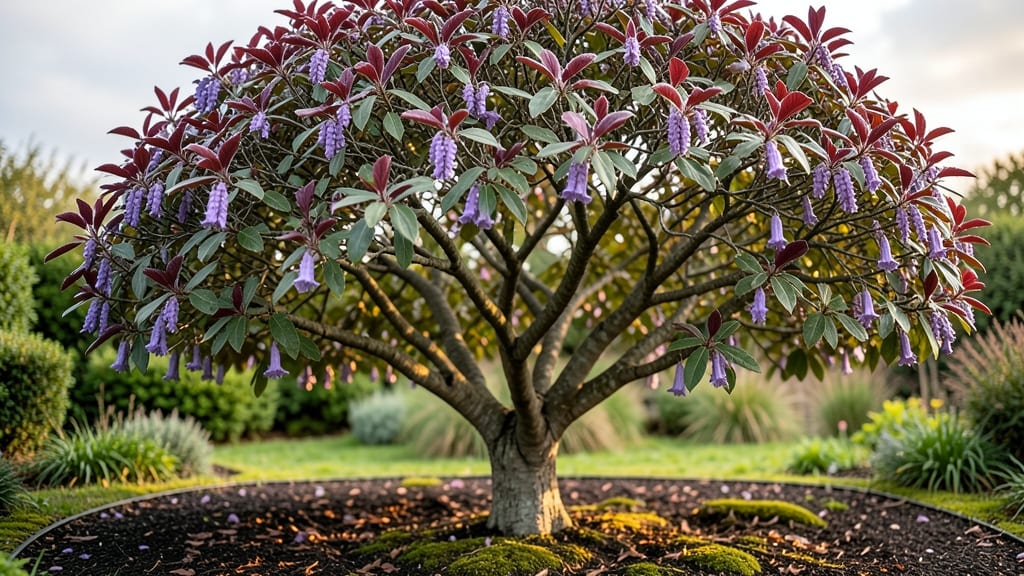
The Purple Empress Tree Paulownia grows 30 feet tall in just a decade—if you nail the soil and sunlight. I planted mine last spring, and by summer, it was already taller than our garage.
This isn’t just fast growth; it’s a dramatic transformation that turns any yard into a statement piece. The secret lies in well-draining soil mixed with compost and a spot where it gets full sun for at least 6 hours.
Water deeply once established, but don’t drown it—Paulownias hate soggy roots. Prune in late winter to shape it before new growth bursts forth, and watch it reward you with lavender-purple blooms that smell like spring.
You’ll end up with a tree that’s drought-tolerant once mature, resists pests, and even survives Zone 5 winters with proper care. The foliage turns golden in fall, adding another layer of drama. This isn’t just a tree—it’s a year-round spectacle that grows while you wait.
Works best in open spaces, but even small yards can fit a dwarf variety. Here’s how to get started without the common pitfalls—like overwatering or planting too late in the season.
📚 In This Guide
- What you need
- Instructions
- Tips and common mistakes
- Wrapping up and next steps
What you need
- ● Pruning shears – Bypass pruners (for clean cuts on small branches, 1–2 inches in diameter). Quantity: 1 pair.
- ● Loppers – Long-handled bypass loppers (for thicker branches, 2–4 inches in diameter). Quantity: 1 pair.
- ● Pruning saw – Curved-tooth pruning saw (for branches 4+ inches thick). Quantity: 1.
- ● Garden gloves – Heavy-duty, cut-resistant (to protect hands from thorns and rough bark). Quantity: 1 pair.
- ● Disinfectant – 70% isopropyl alcohol or pruning sealant (to sterilize tools and prevent disease). Quantity: Small bottle.
- ● Rubbing alcohol or bleach solution – 1 part bleach to 9 parts water (for cleaning tools between cuts). Quantity: As needed.
- ● Tarp or drop cloth – Medium-sized (to collect debris and protect the ground). Quantity: 1.
- ○ Pruning paint – For sealing large cuts (optional but reduces risk of disease). Quantity: Small tube.
- ● Extension pole – For hard-to-reach branches (saves time and effort). Quantity: 1.
- ● Safety glasses – If sawing thick branches (to protect eyes from debris). Quantity: 1 pair.
- ● Notebook & pen – To sketch pruning plan (great for beginners!). Quantity: 1.
How to grow a Purple Empress tree Paulownia from seed
Here's how to nurture this fast-growing giant from a tiny seed into a stately tree.
🌱 Step 1: Stratify Seeds for Successful Germination
Paulownia seeds need cold stratification to break dormancy. Place the seeds in a moist paper towel inside a sealed plastic bag, then refrigerate for 6-8 weeks. Check weekly—if the towel dries, mist it lightly. The cold mimics winter conditions and signals the seed it's time to sprout.
After the stratification period, remove the seeds and soak them in lukewarm water for 12 hours. This softens the tough outer shell and jumpstarts germination. You'll see the seed coat split open within a few days—that's your cue to plant. Real talk: Skipping stratification means waiting months, if ever, for germination.
☀️ Step 2: Plant Seeds in Well-Draining Soil
Fill a 4-inch deep container with a mix of 60% potting soil and 40% perlite for excellent drainage. Paulownia hates soggy roots, so avoid garden soil or dense mixes. Plant seeds ½ inch deep, spacing them 3 inches apart—they germinate quickly and need room to grow.
Keep the soil consistently moist but not waterlogged. A spray bottle works best to avoid disturbing the seeds. Place the container in a warm spot (70-75°F) with bright, indirect light. You'll see sprouts in 2-4 weeks—watch for the first true leaves to appear above the seed leaves.
🌿 Step 3: Transplant Seedlings When Strong Enough
Once seedlings have 3-4 true leaves and are 4-6 inches tall, it's time to transplant. Choose a sunny spot with full sun exposure and well-draining soil. Paulownia thrives in USDA Zones 5-9, making it one of the hardiest fast-growing trees.
Dig a hole twice as wide as the root ball but no deeper. Gently remove the seedling, loosen the roots if pot-bound, and place it in the hole. Backfill with soil, firming it lightly around the base. Water deeply to settle the soil—you'll know it's right when moisture reaches 6 inches down. Mulch with 2 inches of wood chips to retain moisture and suppress weeds.
⏰ Step 4: Support Rapid Growth With Proper Care
Paulownia grows 10-20 feet per year when young, so keep the soil moist but not waterlogged. Water 2-3 times per week in dry spells, aiming for 1 inch of water per week. Avoid overhead watering after germination to prevent fungal issues.
Fertilize lightly in spring with a balanced 10-10-10 fertilizer—too much nitrogen leads to weak wood. Prune in late winter to shape the tree and remove dead branches. You'll see dramatic growth within the first year, but don't rush—letting it establish strong roots ensures long-term stability.
✂️ Step 5: Prepare for Mature Size and Wind Resistance
By year three, your Purple Empress will reach 30-50 feet tall with a 20-30 foot spread. Stake young trees if your area gets strong winds—Paulownia's rapid growth makes it top-heavy. Plant at least 30 feet from structures to accommodate its massive size.
This tree's fast growth means it needs regular pruning to maintain shape. Remove lower branches to create a clear trunk and improve airflow. With proper care, your Purple Empress will provide shade, beauty, and a stunning purple bloom in spring—all while being one of the toughest trees in your yard.
Tips & tricks for growing a Purple Empress tree
Here’s how to turn those tiny Paulownia seeds into a towering shade tree—without the common pitfalls that trip up new growers.
Stratification Shortcut: If you're impatient (who isn’t?), you can speed up the 6-8 week cold stratification by using a seed germination mat set to 65°F. Place your sealed bag on the mat instead of the fridge shelf—it’ll still mimic winter conditions but cut your wait time by about 2 weeks. Just remember to check moisture weekly, as germination mats can dry out faster than a fridge.
Soil Mix Secret: The 60% potting soil to 40% perlite ratio is non-negotiable for Paulownia, but here’s the pro move: add a handful of coarse sand to that mix. It creates tiny air pockets that prevent compaction, which is especially important when those seeds start sprouting rapidly. Think of it as giving your seedlings a head start on breathing room.
Transplanting Timing: When your seedlings hit that 4-6 inch mark in Step 3, don’t rush the transplant. Wait until you see the first true leaves developing above the seed leaves—this tells you the roots have established enough to handle the move. I’ve seen growers transplant too early, and those seedlings just… give up. Patience here pays off with a stronger tree.
Wind Resistance Hack: For those in windy areas, consider planting your Purple Empress near a natural windbreak like a fence or hedge during its first year. The rapid growth makes it top-heavy, and while it’ll develop stability over time, giving it early protection prevents the kind of damage that can set it back for years. Think of it as giving your tree a temporary training wheels.
Pro Tips for Purple Empress Tree Paulownia
- Here’s how to turn those tiny Paulownia seeds into a towering shade tree—without the common pitfalls that trip up new growers.
- Stratification Shortcut: If you're impatient (who isn’t?), you can speed up the 6-8 week cold stratification by using a seed germination mat set to 65°F.
- Soil Mix Secret: The 60% potting soil to 40% perlite ratio is non-negotiable for Paulownia, but here’s the pro move: add a handful of coarse sand to that mix.
Frequently asked questions
Got questions about growing and caring for the stunning Purple Empress Tree Paulownia? You’re not alone! Here are some of the most common queries—plus quick, practical answers to help you nurture this fast-growing beauty like a pro.
How fast does the Purple Empress Tree Paulownia grow, and how tall can it get?
The Purple Empress Tree is a powerhouse of growth! Under ideal conditions, it can sprout 10+ feet in a single season and reach 30–50 feet tall (and up to 60 feet in rare cases). Plant it in full sun with well-draining soil, and watch it soar—just be ready to prune regularly to manage its size!
Is the Purple Empress Tree truly cold-hardy? What zones does it tolerate?
This tree thrives in USDA Zones 5–9, making it one of the hardiest paulownias. While young trees may need winter protection (like mulch or burlap wraps), mature specimens often survive down to -15°F (-26°C). Just avoid soggy soil in winter to prevent root rot.
When and how should I prune my Purple Empress Tree for optimal growth?
Prune in late winter or early spring (before new growth starts) to shape the tree and encourage dense foliage. Use clean, sharp tools to make cuts just above a bud or branch collar. Avoid heavy pruning in fall—it can stimulate tender new growth that won’t survive winter.
Can I grow a Purple Empress Tree in a container, or is it strictly a landscape plant?
While it’s best suited for ground planting, young Purple Empress Trees can thrive in large containers (20+ gallons) for 1–2 seasons. Use fast-draining potting mix and move the pot indoors or to a sheltered spot if temperatures drop below 20°F (-7°C). Just know—it’ll outgrow containers quickly!
What pests or diseases should I watch for with a Purple Empress Tree?
This tree is generally pest-resistant, but keep an eye out for aphids, spider mites, or borers (especially in stressed trees). Fungal issues like powdery mildew can occur in humid conditions—improve airflow and avoid overhead watering. If problems arise, treat with neem oil or horticultural soap for organic control.
Pro Tip: Want faster growth?
Add a balanced fertilizer (10-10-10) in early spring and again after pruning. Mulch around the base (but not touching the trunk) to retain moisture and regulate soil temperature. Your Purple Empress Tree will reward you with lush purple blooms and rapid height gains!
Wrapping up and next steps
The Purple Empress Tree Paulownia is a stunning, fast-growing powerhouse that brings drama and resilience to any landscape. With the right pruning techniques—like strategic cuts in late winter and shaping young trees—you’ll unlock its full potential while keeping it healthy and vibrant. 🌿
Ready to transform your garden? Start by gathering your tools and scheduling your first pruning session this winter. Your future shade giant awaits—let’s make it thrive!