
Propagation
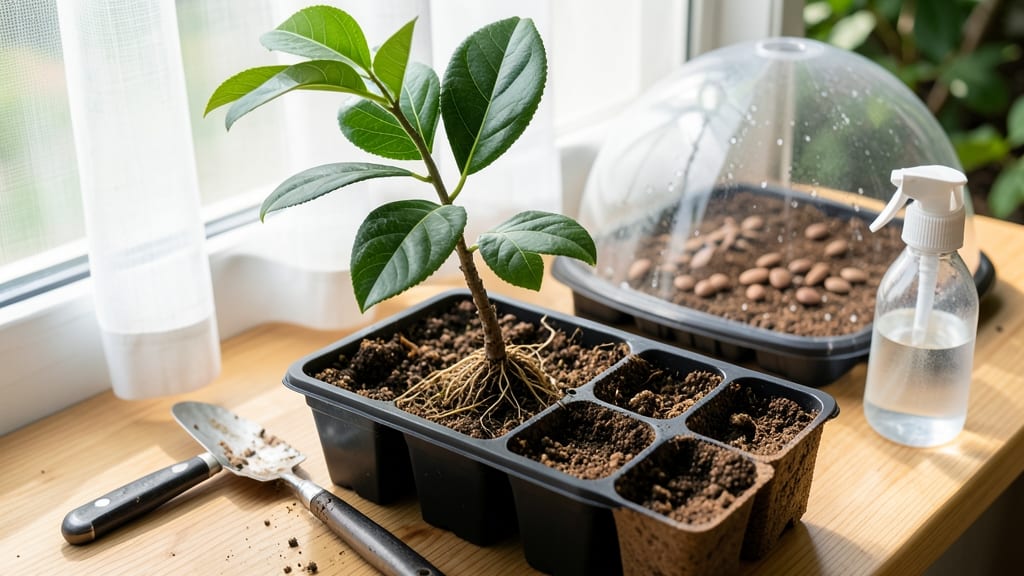
Growing guava trees from seed delivers those first sweet-smelling leaves in just 2-3 weeks—faster than most tropical trees. 🌱 I’ve started dozens from grocery store seeds, and the trick isn’t fancy equipment but knowing when to soak, which soil to use, and how to keep humidity high without drowning the seed.
Most people give up after two weeks, but with these small adjustments, you’ll see sprouts before your houseplants even think about growing.
The secret starts with a warm, moist paper towel—not soil—where you’ll watch roots emerge in 5-7 days. Once they’re an inch long, transplant into a light, airy potting mix (think 60% coconut coir, 30% perlite, 10% compost) in a clear plastic cup to track root growth.
Sunlight comes next: bright, indirect light for the first month, then gradually move to 6+ hours of morning sun as leaves harden. Overwatering kills more guava seedlings than anything else—let the top inch dry between waterings.
By month three, you’ll have a 2-foot-tall bush with glossy leaves, and that’s when the real magic happens: pruning to encourage branching and fertilizing with half-strength fish emulsion for leafy growth.
The first flowers appear in 12-18 months (yes, it takes patience), but the scent alone—like tropical sunshine—makes every slow step worth it. These trees thrive in zones 9-11, but with winter protection, you can grow them in containers and bring them indoors.
Here’s the part no one tells you: guava seeds from store-bought fruit won’t always produce true fruit—some turn into ornamental trees with gorgeous foliage instead. That’s okay! Even without fruit, the fragrant leaves and fast growth make them a standout tropical accent.
Start with 3-5 seeds to guarantee at least one keeper, and keep the soil warm (75-85°F) for the first critical weeks. That’s all it takes to turn a grocery bag into a jungle corner.
📚 In This Guide
- What you need
- Instructions
- Tips and common mistakes
- Wrapping up and next steps
What you need
- ● Guava seeds: 3–5 fresh, plump seeds (harvested from ripe guava fruit). Pro tip: 💡 Rinse seeds to remove excess fruit pulp before planting.
- ○ Seed-starting pots: 2–3 small pots (3–4 inches in diameter) with drainage holes. Optional: Use biodegradable pots for transplanting later.
- ● Well-draining potting mix: A blend of 50% coconut coir, 30% perlite, and 20% compost (sterilized to prevent mold).
- ● Spray bottle: For gentle watering (avoid over-saturating seeds).
- ● Plastic wrap or humidity dome: To create a mini greenhouse effect.
- ○ Grow lights or sunny windowsill: A spot with bright, indirect light (6–8 hours daily). Optional: LED grow lights for consistent lighting.
- ● Small hand trowel: For careful seed planting.
- ○ Misting fan (optional): Helps maintain humidity without overwatering.
- ● Patience: Germination can take 2–4 weeks (sometimes longer).
- ● Warmth: Ideal soil temperature: 70–85°F (21–29°C). Use a seedling heat mat if needed.
- ● Space planning: Guava trees grow 20–40 feet tall—ensure you have room for a mature tree!
Step-by-step instructions for growing guava trees from seed
Here’s how to coax those stubborn guava seeds into fast, vigorous sprouts—no nursery shortcuts needed.
🌱 Step 1: Extract and Prepare the Seeds
Guava seeds need a little help breaking dormancy. Start by scooping out the large, flat seeds from a ripe guava—discard the fibrous pulp and rinse them under cool water. I like to soak the seeds in warm water for 24 hours to soften the outer coating, which speeds up germination. After soaking, gently rub the seeds between your fingers to remove any remaining membrane—this mimics natural weathering and signals the seed it’s time to grow.
Don’t skip this step. Seeds with intact coatings can take weeks to sprout, and some may never break through. You’ll know you’ve done it right when the seeds feel smooth and slightly pliable, not hard or dry. Lay them out on a paper towel to dry for 30 minutes before planting—just until they’re no longer slick, but still damp.
💧 Step 2: Sow in a Light, Airy Medium
Fill small seedling pots (2-3 inches deep) with a sterile, fast-draining mix—I blend 50% coconut coir and 50% perlite for guava seeds. This lightweight combo prevents rot while letting roots establish quickly. Moisten the mix until it’s damp like a wrung-out sponge, then sow the seeds ½ inch deep, spacing them 1 inch apart. Guava seeds are large, so you won’t need to cram many into one pot.
Press the soil lightly around each seed to ensure good contact, but don’t compact it. The goal is to hold the seed in place without suffocating it. Place the pots in a warm, shaded spot—think 75-85°F—like on top of a refrigerator or near a sunny window with indirect light. A seedling heat mat set to 80°F can cut germination time in half if your home runs cooler.
☀️ Step 3: Maintain Warmth and Humidity
Cover the pots with clear plastic wrap or a humidity dome to trap warmth and moisture. Guava seeds germinate best in 90% humidity, so check daily for condensation on the plastic—this is your cue that conditions are perfect. Mist the soil lightly if it feels dry to the touch, but avoid soaking it. Overwatering now will trigger rot before the seeds even sprout.
You’ll see the first signs of life in 7-14 days—tiny white roots pushing through the soil, followed by a curved shoot emerging. Once the shoot reaches 1 inch tall, remove the plastic immediately to prevent fungal growth. At this stage, move the seedlings to a bright, indirect light spot (no direct sun yet—they’re still delicate). Too much light now will scorch the tender leaves.
🌿 Step 4: Transplant and Harden Off
When seedlings develop 2-3 sets of true leaves (about 4-6 weeks after sowing), it’s time to transplant. Choose 6-inch pots with drainage holes and fill them with a well-draining potting mix (I use 60% garden soil, 20% perlite, 20% compost). Dig a hole twice as wide as the seedling’s root ball, place it in, and firm the soil gently around the base. Water deeply until it drains from the bottom.
Hardening off begins 2 weeks before outdoor planting. Start by moving pots outside for 1 hour daily, gradually increasing exposure to full sun and wind over 10-14 days. Guava seedlings are tropical—they’ll wilt if shocked, so introduce conditions slowly. Once they tolerate 6+ hours of sun without wilting, they’re ready for the ground. Plant in well-draining soil and water deeply once a week to encourage deep root growth.
⏰ Step 5: Monitor Growth and Prune Strategically
Guava trees grow fast once established, but they need pruning from the start to stay strong. When seedlings hit 12 inches tall, pinch off the top set of leaves to encourage bushier growth. This might seem counterintuitive—why cut when they’re just starting?—but it prevents leggy, weak stems that snap in storms. You’ll see new side shoots within 2-3 weeks of pruning, signaling the tree is branching properly.
Watch for yellowing leaves—this usually means overwatering or nutrient deficiency. Guava trees thrive in full sun and dry conditions; they’re drought-tolerant once mature. If leaves curl or drop, reduce watering and move the pot to a sunnier spot. With patience, your seedling will develop into a fruit-bearing tree in 3-5 years, but the real magic happens in those first critical weeks of germination.
Tips & tricks for fast guava seed germination
Here's what nobody tells you about breaking through the toughest germination barriers with guava seeds.
Soaking Secret: The 24-hour warm water soak is your secret weapon for cracking dormancy. I've learned this the hard way—skipping it means waiting weeks for stubborn seeds to sprout. Use warm (not hot) water to avoid damaging the delicate seed structure. You'll know it's working when the seeds become pliable and the outer coating starts to peel away naturally. This mimics tropical rainfall patterns that trigger germination in the wild.
Temperature Matters: Guava seeds are tropical babies—they need warmth to wake up. The 75-85°F range during germination is non-negotiable. If your home runs cooler, invest in a seedling heat mat set to 80°F—it's the difference between sprouts in 7 days versus 3 weeks. I place mine on top of my refrigerator where it stays consistently warm. Pro tip: Never let the soil temperature drop below 70°F or germination slows dramatically.
Humidity Hack: That 90% humidity requirement isn't just a number—it's your guarantee against rot and fungal attacks. I use clear plastic wrap with tiny pinholes to trap moisture while allowing airflow. Check daily for condensation on the plastic—this is your visual cue that conditions are perfect. If you notice water droplets forming, you're maintaining ideal humidity. The moment your seedlings reach 1 inch tall, remove the plastic immediately to prevent mold growth.
Light Strategy: Guava seedlings are like sun-worshipping divas—too much light too soon and they'll scorch. Start with bright, indirect light for the first 2 weeks. I position mine near an east-facing window where they get morning sun but afternoon shade. Once they develop their first true leaves, you can gradually introduce 2-3 hours of direct sun daily. The transition should happen over 5-7 days to avoid shocking the delicate seedlings.
Pro Tips for Grow Guava Tree From Seed
- Here's what nobody tells you about breaking through the toughest germination barriers with guava seeds.
- Soaking Secret: The 24-hour warm water soak is your secret weapon for cracking dormancy.
- Temperature Matters: Guava seeds are tropical babies—they need warmth to wake up.
Frequently asked questions
Got questions about growing guava from seed? You’re not alone!
Here are answers to the most common queries to help you avoid pitfalls and grow a thriving tree.
How long does it take for guava seeds to germinate?
Guava seeds typically sprout in 14–30 days if kept warm (70–90°F) and moist. Pre-soaking seeds for 24 hours speeds up germination. Patience is key—some seeds may take up to two months! Use a heat mat or sunny windowsill to encourage faster sprouts.
Can I plant guava seeds directly in the ground?
While possible, direct sowing outdoors is risky because seeds need consistent warmth and moisture to germinate. Start seeds indoors in pots (6–8 weeks before last frost) for better control. Once seedlings are 6+ inches tall, transplant them to the ground in a warm, well-drained spot with full sun.
Will my guava tree from seed produce fruit?
Yes—but it may take 3–5 years (or longer) for seed-grown trees to bear fruit. Seedlings are not grafted, so fruit quality and yield can vary. For faster, more reliable results, consider grafting a known variety onto your seedling later.
Why aren’t my guava seeds sprouting? Troubleshooting tips.
Check these common issues:
- Cold soil: Guava seeds need warmth—keep pots near a sunny window or use a heat mat.
- Over/under-watering: Soil should stay moist but not soggy (use a spray bottle for humidity).
- Old or damaged seeds: Test freshness by floating seeds in water—sinkers are viable!
- Poor drainage: Use a mix of potting soil + perlite to prevent rot.
Can I grow guava from a store-bought fruit’s seeds?
Just rinse and dry the seeds thoroughly before planting. Store-bought guavas are often hybrid varieties, so your tree may produce unpredictable fruit. For consistent results, source seeds from a trusted nursery or local grower.
Wrapping up and next steps
Growing a guava tree from seed is a rewarding journey that combines patience and care—just like nurturing any new life! 🌱 By following the right steps—from selecting healthy seeds to providing the ideal growing conditions—you’ll soon be on your way to a thriving tropical plant. Remember, consistency is key: water wisely, protect from pests, and give your seedling the love it needs.
Now that you’re armed with these germination secrets, why not take the next step? Share your progress with fellow gardening enthusiasts or even start a small guava grove in your backyard. Happy growing—your future guava harvest awaits! 🍈✨