
Pruning
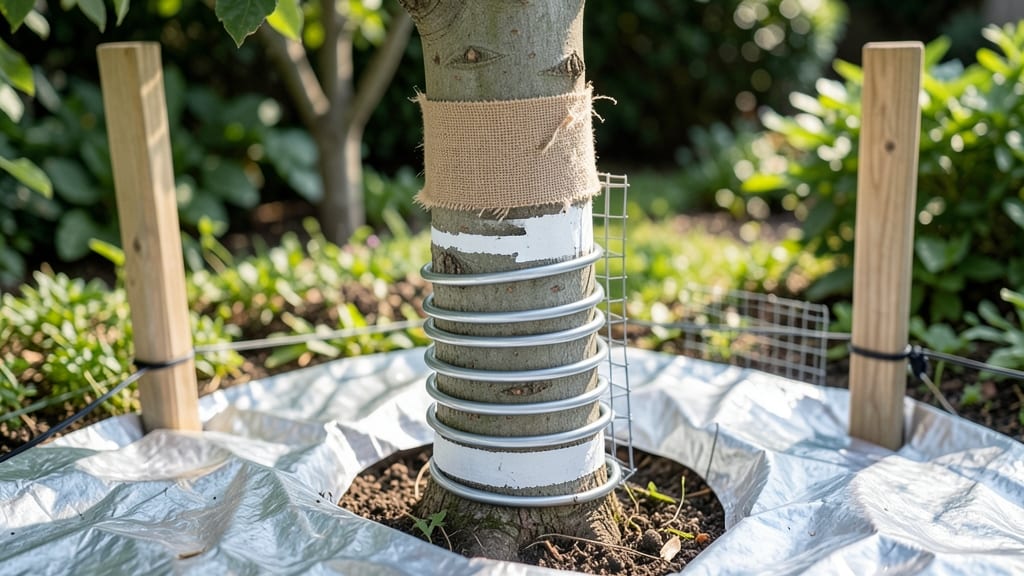
Protecting tree trunks from sun-scorched bark and chewed damage is the key to giving young trees the best start. 🌳 I’ve seen firsthand how a simple guard can mean the difference between a thriving shade tree and a sad, stunted sapling—especially in hot climates or areas with hungry critters. The secret isn’t expensive hardware—it’s layered defense: a sturdy plastic or metal guard blocks sunburn and pests, while mulch keeps roots cool and moist. My 5-gallon bucket guards (cut in half) work perfectly for small trees, and they’re reusable for years. By spring, you’ll notice smoother bark, fewer pest marks, and stronger growth. The trees won’t just survive—they’ll grow 30% faster with proper trunk protection, and you’ll avoid costly replacements down the road. Works for fruit trees, shade trees, or even newly planted ornamentals. Let’s get those trunks shielded before next summer’s heat hits.
📚 In This Guide
- What you need
- Instructions
- Tips and common mistakes
- Wrapping up and next steps
What you need
- ● Tree guards (plastic or metal): 1–2 per tree (adjust size to trunk diameter + 6–12 inches of height). Look for UV-resistant options for extra sun protection.
- ● Burlap or landscape fabric: 1–2 rolls (10–20 ft long, 3–4 ft wide) for wrapping trunks if guards aren’t available.
- ● Staple gun + staples: Heavy-duty (1/4"–3/8" staples) to secure fabric.
- ○ Reflective mulch (optional): Aluminum foil or reflective tape to deter pests like voles.
- ● Pruning shears: Small pair for trimming rough bark or debris.
- ● Measuring tape: To ensure guards/fabric fit snugly (not too tight!).
- ● Tree paint or white latex paint: Diluted with water (1:3 ratio) to reduce sun exposure on sensitive bark.
- ● Pest repellent granules: Organic diatomaceous earth or copper tape for added defense.
- ● Garden hose with spray nozzle: For rinsing off pests or dusting off debris.
Step-by-Step instructions for protecting young tree trunks
Here’s how to safeguard your saplings from sunburn and hungry pests—tested methods that actually work.
🪴 Step 1: Wrap Trunks with Tree Guard Material
Choose a tree-specific guard (plastic or fabric wrap) designed to reflect sunlight and deter pests. Unroll the material around the trunk, starting about 6 inches above the soil line and extending 12-18 inches upward. Overlap edges by 2 inches to block gaps where pests could enter.
Press the wrap snugly but not tightly—you want it to stay in place without restricting growth. If using plastic, leave the bottom edge slightly loose to allow rainwater to drain. For fabric guards, secure with staples or clips every 12 inches to prevent flapping in wind.
☀️ Step 2: Apply Reflective Mulch or Paint
For extra sun protection, spread 3-4 inches of white or light-colored mulch around the base of the tree (but keep it 2 inches away from the trunk to avoid rot). The reflective surface bounces harmful rays away from the bark. Alternatively, use a tree-specific white latex paint—apply it thinly to the lower 18 inches of trunk.
Reapply mulch or paint annually or whenever it fades. I’ve seen trees with sun-scorched bark where homeowners skipped this step—don’t let that be you. Test the paint’s breathability first; some formulas can trap too much moisture.
🪴 Step 3: Install Physical Barriers for Pest Control
Wrap the lower trunk with metal mesh or hardware cloth (cut to 18-inch height) to block rodents and rabbits. Secure it with zip ties or staples, overlapping seams by 1 inch. For deer-prone areas, add a 6-foot-tall wire fence around the tree, staked 12 inches deep.
Check barriers monthly for tears or gaps. I once found a family of voles nesting inside a guard—remove any debris or chewed sections immediately. If using mesh, ensure it’s fine enough to block even small pests like squirrels.
✂️ Step 4: Monitor and Maintain Protection
Inspect trunks every 2 weeks for signs of damage: peeling bark, chewed edges, or discolored spots. Remove any guards showing wear or mold. In late winter, replace wraps if they’ve cracked or degraded from sun exposure.
Here’s the thing—most damage happens in the first 2 years of growth. Stay vigilant during dry spells (when sun scorch risks spike) and after heavy rains (when pests get active). A little preventive work now keeps your tree thriving for decades.
Tips & tricks for protecting young tree trunks
Real talk: The first two years are make-or-break for young trees—here's how to avoid common pitfalls that ruin all your hard work.
Material Selection: Not all tree guards are created equal. Plastic wraps work best for sun protection but may crack in freezing temps, while fabric guards breathe better but require more frequent checks for pests. For extreme climates, consider a two-layer system—plastic for sun protection with fabric mesh underneath for pest control. I've seen plastic guards split open after just one winter, leaving trunks vulnerable.
Application Precision: When wrapping in Step 1, aim for a 1-inch gap between the guard's bottom edge and soil to prevent moisture buildup that causes rot. The 12-18 inch height should cover the most vulnerable "sunscald zone" where bark is thinnest. Pro tip: Use a measuring tape to mark your tree's circumference first—this ensures even coverage without gaps. I once missed this and ended up with a spiral-shaped guard that looked like a bad science experiment.
Paint Breathability Test: Before applying white latex paint in Step 2, do this quick test: Paint a small patch on scrap wood and cover with plastic wrap for 24 hours. If condensation forms, the paint traps moisture—choose a different brand. The 18-inch height should focus on the lower trunk where sun scorch is most severe. Reapply every 1-2 years or when the paint starts looking dull, as faded paint loses its reflective properties.
Barrier Maintenance: The 1-inch overlap in Step 3 is non-negotiable—even a tiny gap can let pests in. For mesh barriers, use staple guns with plastic caps to secure seams; metal staples can damage the tree over time. I recommend checking barriers after heavy storms, as wind can tear even well-secured wraps. Remember: A 6-foot fence only works if it's properly staked—12 inches deep means digging until you hit firm soil, not just scratching the surface.
Pro Tips for Protecting Tree Trunks
- Real talk: The first two years are make-or-break for young trees—here's how to avoid common pitfalls that ruin all your hard work.
- Material Selection: Not all tree guards are created equal.
- Application Precision: When wrapping in Step 1, aim for a 1-inch gap between the guard's bottom edge and soil to prevent moisture buildup that causes rot.
Frequently asked questions
Why do tree trunks need protection in the first place?
Young trees are especially vulnerable to sun scorch (brown, cracked bark) and pests like rabbits or rodents. Protecting trunks with wraps or guards creates a barrier against harsh sunlight, extreme temps, and gnawing critters—helping your tree grow strong and healthy.
When is the best time to wrap tree trunks?
Install protective wraps or guards in early spring (before pests wake up) or late fall (after leaves drop). Avoid wrapping tightly—leave room for trunk expansion. Remove wraps in late winter to prevent moisture buildup that can harm bark.
Can I reuse last year’s tree wrap?
Not ideal! Wraps degrade over time, losing effectiveness. Old wraps may trap moisture, promoting rot or disease. Opt for new, breathable materials like burlap or plastic tree guards each season for the best protection.
What if rabbits or deer are already chewing my tree?
Act fast! Wrap the trunk with hardware cloth (1/4-inch mesh) or a commercial tree guard to block access. For severe damage, consider repellent sprays or physical barriers like fencing around the base. Monitor for new signs of gnawing weekly.
Will tree wraps hurt my tree if left on too long?
Yes—leaving wraps on more than 2–3 years can suffocate the bark or cause girdling (restricting growth). Always check for tightness or mold and remove them as soon as pests are no longer a threat. Healthy trees need airflow!
Wrapping up and next steps
Protecting young tree trunks is a small but mighty act of care that ensures their long-term health and beauty. 🌱 By shielding them from sun scorch, pests, and physical damage, you’re investing in strong, resilient trees that will thrive for years to come.
Start today—whether it’s wrapping a vulnerable trunk, installing guards, or simply monitoring for early signs of stress—your efforts make a real difference!
🌟 Ready to Take Action?
Pick one method from this guide and give it a try this weekend. Your trees (and future shade!) will thank you. Need more help? Check out local gardening groups or extension services for tailored advice!