
Pruning
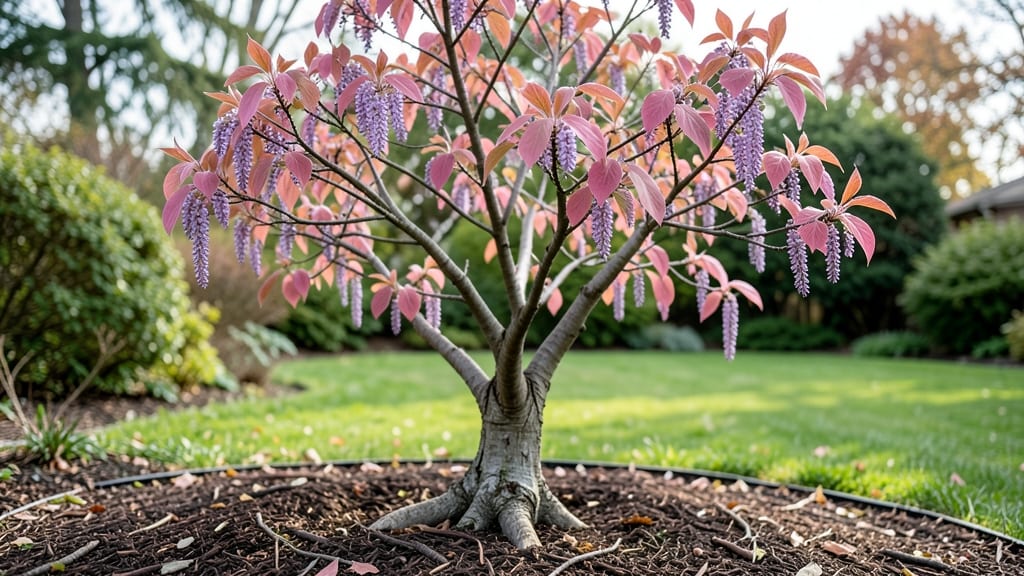
The most popular pink leaf tree names include the Royal Poinciana, Brachychiton acerifolius (Flame Tree), and Cercis canadensis (Eastern Redbud), known for their bold pink foliage and rapid growth. These trees flourish in warm climates and require minimal care to deliver stunning seasonal color.
The name "pink leaf tree" actually refers to several distinct species that share vibrant pink foliage as a signature trait. 🌸 What sets these trees apart isn't just their color—it's how quickly they grow and adapt.
For example, the Royal Poinciana can reach 25-30 feet in just a few years, while the Eastern Redbud offers delicate pink blooms alongside its foliage. Many gardeners choose these varieties because they transform landscapes almost instantly, requiring only basic pruning and well-drained soil to maintain their dramatic appearance.
What's fascinating about these trees is their ability to change colors with the seasons. The pink hues develop in response to sunlight exposure and temperature shifts, creating natural seasonal displays.
This makes them perfect for both urban and rural settings where bold accents are desired without the high maintenance of annuals.
💡 In This Article
- Why Pink Leaf Trees Turn Vibrant Colors
- Top 5 Fast-Growing Pink Leaf Trees for Landscaping
Why pink leaf trees turn vibrant colors
The vibrant pink hues in these trees come from specialized pigments called anthocyanins, which are water-soluble compounds that act like natural sunscreen for leaves. When sunlight hits the leaves, especially during cooler temperatures, these pigments protect the plant's cells while creating that stunning pink or red display.
The intensity of the color depends on factors like sunlight exposure—trees in full sun develop deeper pinks than those in shade, which often produce lighter tones or even revert to green.
Seasonal changes trigger this color transformation through a process called phenolic accumulation. As temperatures drop in fall or during drought stress, the tree's chlorophyll breaks down, revealing the underlying anthocyanins.
For example, the Royal Poinciana's fiery pink leaves appear most vividly in late summer to early fall when daytime highs hit 85-95°F but nights cool to 60-70°F. Soil pH also plays a role—acidic soils (pH 5.5-6.5) enhance anthocyanin production, while alkaline soils can mute the color intensity.
Genetics determine which trees produce pink foliage year-round versus seasonally. Some varieties, like the Flame Tree (Brachychiton acerifolius), develop pink leaves as new growth in spring, while others like the Eastern Redbud (Cercis canadensis) showcase pink blooms before their leaves emerge.
This genetic diversity means you can find pink leaf trees that thrive in containers, small gardens, or as large specimen plants—each with unique care requirements to maintain their color.
What most gardeners don't realize is that over-fertilizing can actually reduce color vibrancy. Excess nitrogen promotes leafy green growth at the expense of anthocyanin development. Instead, a balanced fertilizer with lower nitrogen (10-10-10 ratio) and higher potassium supports both growth and color intensity.
Pruning also affects color—removing dead wood in late winter stimulates fresh growth that often appears in brighter pink shades.
Consider these key factors when selecting pink leaf trees for your landscape:
- Sunlight needs: Most varieties require 6-8 hours of direct sun daily for optimal color development
- Temperature tolerance: Southern climates (USDA Zones 8-11) suit tropical pink leaf trees like Royal Poinciana
- Soil preferences: Well-draining, slightly acidic soil (pH 6.0-7.0) enhances color vibrancy
- Watering: Established trees need 1-2 inches of water weekly during dry periods
For maximum impact, plant pink leaf trees where their colors will contrast with evergreens or other foliage colors. The Flame Tree's 3-4 foot wide canopy pairs beautifully with blue-green conifers, while the Eastern Redbud's 20-30 foot height makes it a stunning focal point in mixed borders.
The key to maintaining those vibrant hues is understanding how these trees naturally respond to their environment—then providing just the right balance of sunlight, water, and nutrients.