
How To
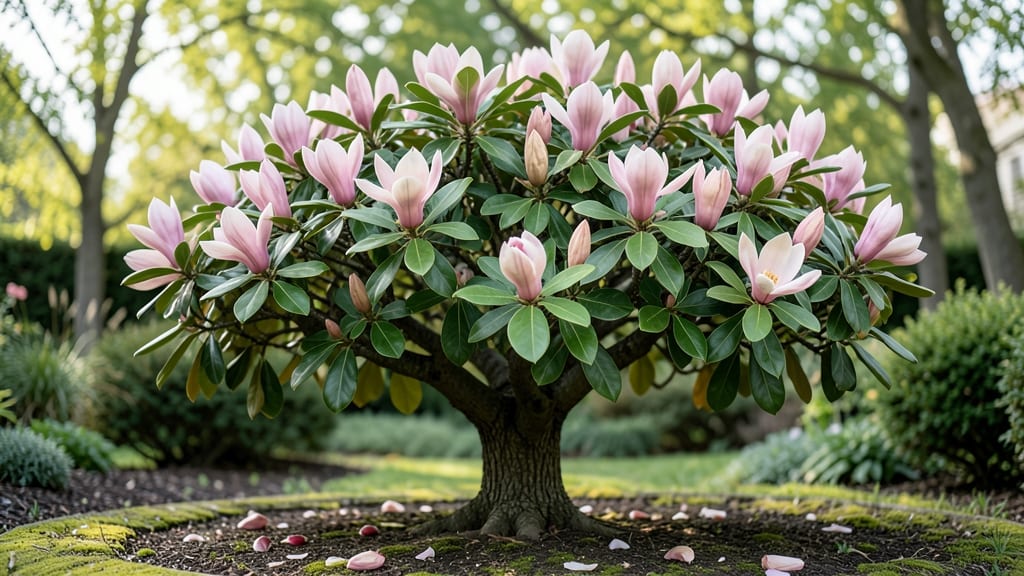
A magnolia tree can grow anywhere from 10 feet to over 100 feet tall, depending on the species and your care routine.
If you're dreaming of a majestic magnolia tree in your yard, knowing its mature height is crucial—some tower over 100 feet while others stay compact enough for small gardens. But how do you choose the right one?
Southern magnolias, for example, reach 60 to 100 feet at maturity, while star magnolias stay between 20 to 30 feet. Dwarf varieties like 'Teddy Bear' max out around 10 to 12 feet, making them perfect for urban spaces or patios.
In this guide, I’ll break down the exact heights by species, share pruning tips to control growth, and help you pick the perfect magnolia for your space—whether you’ve got acres or just a small yard.


Magnolia tree height by species: from dwarf to giant varieties
Choosing a magnolia tree starts with understanding its mature height. Some varieties grow into towering giants, while others stay compact enough for small yards or containers. The Southern magnolia, for example, can reach 60-100 feet, while dwarf varieties like 'Teddy Bear' stay under 12 feet.
Your garden's space and vision will determine which species fits best.
Magnolia trees also vary in growth rates. Fast-growing varieties like the Star magnolia can add 12-24 inches per year, while slower-growing types like the Saucer magnolia grow just 6-12 inches annually.
Knowing these rates helps you plan for years of growth before your tree reaches its full height.
Here’s a quick comparison of popular magnolia species and their mature heights to help you decide:
The Southern magnolia is the tallest variety, often dominating landscapes with its glossy leaves and fragrant blooms. If you love drama, this is the tree for you—but it needs ample space. For smaller gardens, the 'Teddy Bear' magnolia is a perfect choice, staying under 12 feet
How to control magnolia tree height: pruning tips & growth hacks
Magnolias grow at different rates depending on the variety, but most can reach towering heights if left unchecked. For example, a Southern magnolia can shoot up to 100 feet tall, while a star magnolia typically stays between 20-30 feet.
If your garden space is limited, controlling their height becomes essential—but how do you do it safely and effectively?
Pruning is the most common method to manage magnolia height, but timing and technique matter. Late winter or early spring (just before new growth starts) is the ideal time to prune, as it encourages healthy regrowth.
Avoid pruning in fall or winter, when the tree is dormant, as this can stress the plant and invite disease. For large branches, proper tools and safety precautions are a must.
⚠️ WARNING: Topping a Magnolia Tree is a Big Mistake
Topping (cutting back the top of the tree to a stub) may seem like a quick fix, but it causes sprout clusters that look unsightly and weaken the tree. Instead, use selective pruning to remove specific branches at their base. This promotes a stronger structure and keeps the tree healthy.
Start by removing dead, diseased, or crossing branches first. These branches can harm the tree’s overall health and should be cut back to the collateral bud (the bud directly opposite the branch you’re removing).
For height control, focus on pruning the uppermost branches—cut them back to a side branch or bud to encourage outward growth rather than upward.
You’ll need the right tools for the job: a sharp pruning saw for thick branches, bypass pruners for smaller cuts, and gloves for safety. Always sterilize your tools with rubbing alcohol or a 10% bleach solution to prevent spreading disease.
For branches larger than 2 inches, consider hiring a professional arborist to avoid damaging the tree or risking injury.
After pruning, monitor your magnolia for signs of stress, like yellowing leaves or excessive sap flow. If you notice these, reduce watering slightly and avoid fertilizing until the tree recovers. With proper care, your magnolia will reward you with beautiful blooms and a manageable height—without sacrificing its natural elegance.
For slow-growing varieties like 'Teddy Bear' magnolia, pruning is less critical, but light shaping in early spring can keep it compact. If you’re working with a young magnolia, focus on training its structure early to prevent future headaches.
Patience and consistency are key—your magnolia will thank you with years of stunning flowers! 🌸