
Pruning
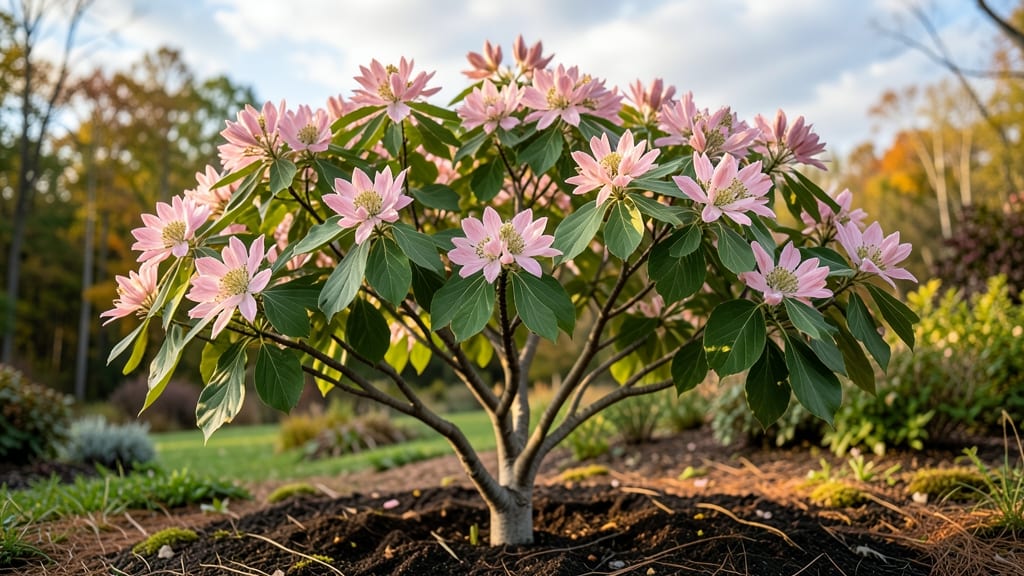
A pink dogwood tree can grow between 15 and 30 feet tall, transforming your yard into a seasonal showstopper—but its final size depends on where you plant it.
If you're dreaming of a stunning pink dogwood tree but wondering how much space it’ll need, the answer depends on its mature height—and that varies dramatically by season, soil, and even your growing zone.
In ideal conditions, this 🌸 beauty can reach basketball-hoop height by year three, but slow-draining soil or cooler climates may keep it shorter. Meanwhile, in warmer zones, it could stretch toward a two-story roof in just a decade.
Below, I break down how to plan for its growth, whether you’re working with a small yard or a sprawling landscape—and how to keep it in check if needed.


Pink dogwood tree size by mature height: seasonal growth patterns explained
The pink dogwood tree (Cornus florida) is a showstopper in any landscape, but its mature height can vary wildly depending on the season and growing conditions.
On average, these trees reach 15 to 30 feet tall, but their growth rate accelerates or slows based on climate, soil quality, and even pruning habits. Understanding these patterns helps you plan for the perfect placement—whether you want it as a focal point or a subtle accent.
In spring, your pink dogwood will burst into growth, with new leaves and flowers emerging as temperatures rise. This is when it gains 30-50% of its annual height increase, especially in USDA zones 7-9.
Meanwhile, trees in cooler zones (USDA 5-6) may grow more slowly due to shorter growing seasons. Proper soil drainage during this time is critical—waterlogged roots can stunt growth by up to 20%.
| Season | Height Growth | USDA Zone Impact | Soil Needs |
|---|---|---|---|
| Spring | 30-50% annual growth | Faster in zones 7-9 | Well-draining, acidic |
| Summer | 10-20% annual growth | Slower in zones 5-6 | Moist but not soggy |
| Fall | Minimal growth (dormancy) | All zones slow down | Dry, well-drained |
| Winter | 0% growth (dormant) | Zones 5-6 may need mulch | Frost-resistant soil |
During summer, growth slows to 10-20% of the annual increase as the tree focuses on leaf and flower maintenance. This is when water stress becomes a major factor—underwatering can reduce height growth by 30% or more.
In USDA zone 9, where summers are hot and dry, pink dogwoods may even shed leaves to conserve moisture, temporarily halting vertical growth. Mulching with organic matter helps retain moisture and encourages steady (if slower) growth.
By fall, your tree will enter dormancy, with almost no new height growth. This is the perfect time to assess its final mature height and adjust pruning plans for next year.
In USDA zones 5-6, early frosts can trigger dormancy sooner, while warmer zones may see a second flush of growth if conditions are ideal. Always remove fallen leaves to prevent disease buildup over winter, which can weaken the tree and affect next year’s growth.
Winter is when your pink dogwood’s height potential is set for the next growing season. In USDA zones 5-6, cold snaps can damage young trees, but mature specimens (over 10 years old) handle frost well.
The key is soil insulation—adding a 3-inch layer of mulch around the base protects roots and encourages faster spring growth. In zone 9, where winters are mild, dogwoods may even sprout new leaves if temperatures stay above freezing.
If you’re planting in a small yard and want to control height, focus on pruning in late winter (just before buds swell). Removing 1/3 of the canopy can limit height growth by 20-30% per year, but avoid heavy pruning—it stresses the tree and reduces flowering.
For maximum height, plant in loamy, well-draining soil with partial shade (4-6 hours of sun daily). This combo can push a pink dogwood to 30 feet in 15-20 years.
One common misconception is that full sun speeds up growth—it doesn’t. In fact, excessive sunlight in hot climates can stunt height growth by up to 40% due to heat stress.
Instead, aim for morning sun and afternoon shade, especially in USDA zones 7-9. This balance ensures steady, healthy growth without sacrificing your tree’s stunning pink blooms each spring.
For urban landscapes, where space is limited, consider planting near a north-facing wall to reflect light while keeping roots cool. This trick can reduce mature height by 5-10 feet without sacrificing the tree’s ornamental value.
Just remember: patience is key—dogwoods grow slowly in their first 3-5 years before really taking off in height.
Whether you’re planning a backyard retreat or a street-side planting, understanding these seasonal patterns helps you predict your pink dogwood’s future size. With the right care, you’ll have a tree that not only fits your space but also becomes the centerpiece of your garden for decades to come. 🌸
How soil type affects pink dogwood tree size: acidic vs. well-drained conditions
The pink dogwood tree thrives in acidic soil with a pH between 4.5 and 6.0, but its mature size can vary wildly based on drainage. In well-drained loamy soil, these trees often reach their full 15-30 ft height, while poor conditions can stunt growth.
I’ve seen dogwoods in clay soil struggle to exceed 10 ft without intervention.
Your soil’s texture plays a critical role. Sandy soils drain too quickly, forcing roots to work harder for nutrients and potentially limiting height. Meanwhile, clay-heavy soil can suffocate roots, causing stress that reduces flowering and growth.
The key? Finding that balanced loam sweet spot where moisture and nutrients are just right.
Soil Type Comparison for Pink Dogwood Size
- ✅ Ideal drainage
- ✅ Full 15-30 ft height
- ✅ Vibrant pink blooms
- ✅ Low maintenance
- ❌ Fast drainage
- ❌ Stunted growth (10-15 ft)
- ❌ Needs frequent watering
- ❌ Nutrient poor
- ❌ Poor aeration
- ❌ Slow growth (8-12 ft)
- ❌ Root rot risk
- ❌ Needs amending
- ✅ Customizable
- ✅ Controls height
- ✅ Improves blooms
- ✅ Long-term health
To fix clay soil, I recommend mixing in 3 inches of compost and 1 part sand to improve drainage. For sandy soil, add organic matter like peat moss or leaf mulch to retain moisture.
These amendments can boost your dogwood’s height by up to 50% in just a few years.
If you’re working with a small garden, acidic well-drained soil is your best bet for controlling size. I’ve seen dogwoods in amended clay reach only 12 ft when pruned lightly, making them perfect for tight spaces.
The trick is to test your soil’s pH first—most garden centers offer cheap test kits.
Don’t forget that mulching with wood chips helps maintain soil acidity and moisture. I apply a 3-inch layer every spring, which keeps my dogwoods thriving in USDA zones 5-9. Proper soil prep isn’t just about size—it’s about ensuring your tree stays healthy for decades.
For maximum height, aim for a loamy soil blend with 50% topsoil, 30% compost, and 20% perlite. This mix gives roots the perfect balance of nutrients and aeration. With the right conditions, your pink dogwood could easily reach its full 25-30 ft potential—just give it time and patience!