
Trees
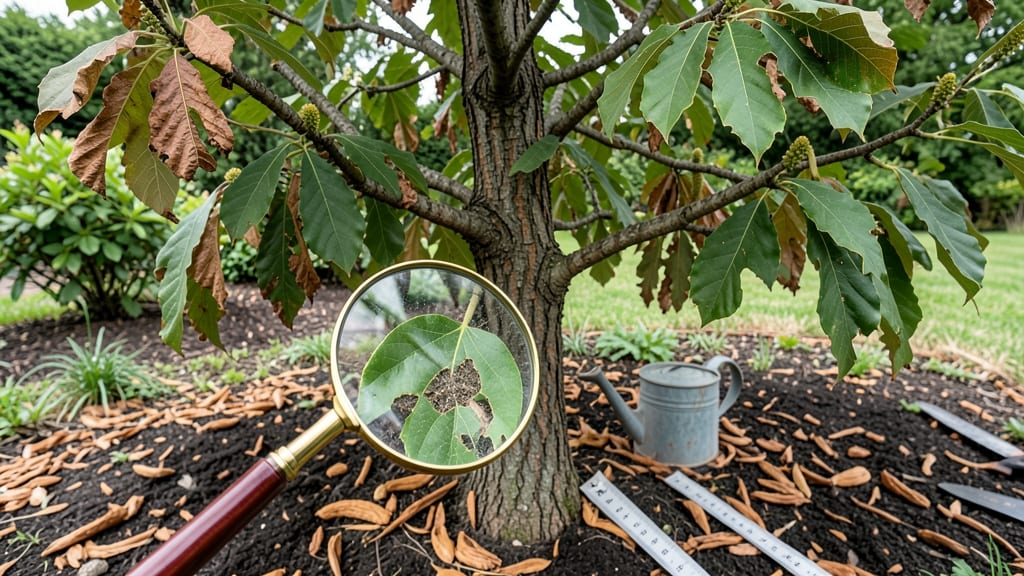
Pecan tree leaves turning brown can turn your backyard oasis into a worry spot faster than you'd think. 🌿 I've seen it happen after a single drought or when nutrients get out of balance—and the good news is, most cases fix easily with the right approach.
The key is figuring out whether your tree is thirsty, hungry, or battling something more serious like pests or disease.
Start by checking the pattern: Are the brown spots scattered or clustered? Is it just the edges of leaves? Those clues point to different problems. For example, crispy brown edges often mean underwatering or salt buildup from hard water, while yellowing between veins signals nitrogen deficiency.
I've caught issues early by simply running my fingers over the leaves—rough texture usually means pests are sucking the life out of them.
Once you identify the root cause, the fixes are straightforward. For nutrient deficiencies, a balanced fertilizer in early spring does wonders, while fungal issues need targeted sprays and better airflow. My trees stay healthy all season when I combine regular watering with a simple leaf inspection routine every two weeks.
Prevention is easier than cleanup—mulch properly, water deeply but infrequently, and watch for early signs. Pecan trees are tough, but they'll reward you with those sweet nuts when you give them the right care. Let's get your tree back to its vibrant green self!
Root Causes Behind Leaf Discoloration
Understanding why your pecan tree’s leaves are turning brown starts with identifying the underlying stress factors. These issues often stem from environmental or biological imbalances that disrupt the tree’s natural processes.
Below, we break down the most common culprits—each with a clear scientific explanation and actionable insights to help you diagnose the problem accurately.
Pecan trees thrive in well-drained soil with consistent moisture, but imbalances in watering can trigger browning leaves. Overwatering suffocates roots by displacing oxygen, leading to anaerobic conditions that inhibit nutrient uptake. Underwatering, on the other hand, causes osmotic stress, where the tree struggles to absorb water from dry soil, leading to cellular dehydration and leaf scorch.
Key signs to watch for:
- Yellowing between leaf veins (overwatering).
- Crispy, brittle edges with brown patches (underwatering).
- Soil that feels soggy (overwatering) or powdery dry (underwatering).
Actionable fix: Test soil moisture 2–3 inches below the surface—if it’s damp, hold off on watering. For underwatering, deep-water the tree slowly (1–1.5 inches per week) and mulch to retain moisture. Pro tip: 💡 Use a moisture meter for precision, especially in clay-heavy soils where drainage is poor.
Pecan trees are heavy feeders, and deficiencies in key nutrients often manifest as brown, brittle leaves. The most critical deficiencies include:
| Nutrient | Deficiency Symptoms | Quick Fix |
|---|---|---|
| Nitrogen (N) | Pale yellow leaves, stunted growth | Apply balanced fertilizer (e.g., 10-10-10) in early spring. |
| Potassium (K) | Brown leaf edges, weak stems | Use potassium sulfate or wood ash. |
| Magnesium (Mg) | Interveinal chlorosis (yellow between veins) | Apply Epsom salt (1 tbsp/gallon of water) as a foliar spray. |
| Iron (Fe) | Yellowing new leaves (even in acidic soil) | Use chelated iron supplements. |
| Zinc (Zn) | Small, distorted leaves with brown spots | Apply zinc sulfate (1/4 lb per 100 sq ft). |
Why it happens: Soil pH imbalances (especially alkaline soil) lock out micronutrients like iron and manganese, even if they’re present. Pecan trees prefer slightly acidic to neutral soil (pH 6.0–7.5). Test your soil—if pH is >7.0, amend with sulfur or peat moss to lower it gradually.
Brown, spotted, or curled leaves often signal an unseen battle between your tree and pests or pathogens. Common offenders include:
- Pecan scab (Fusicladium effusum): Fungal disease causing dark, velvety spots on leaves, often in wet springs.
- Webworms or aphids: Sap-sucking insects that weaken leaves, leading to browning and premature drop.
- Spider mites: Tiny pests that create stippled, bronze-brown patches, especially in dry conditions.
Diagnostic clues:
- Fungal issues: Look for spots with yellow halos or black fruiting bodies (e.g., scab).
- Insect damage: Check leaf undersides for eggs, webbing, or sticky honeydew residue.
Actionable fix:
- For fungi: Apply copper fungicide (e.g., Bordeaux mixture) at first signs of infection. Improve air circulation by pruning dense branches.
- For pests: Use horticultural oil or insecticidal soap for soft-bodied pests like aphids. For webworms, target larvae with Bt (Bacillus thuringiensis) or neem oil. Pro tip: 🎯 Install pheromone traps early in the season to monitor pest activity.
Extreme or sudden changes in temperature, sunlight, or wind can shock pecan trees, causing leaves to brown as a protective response.
- Heat or drought stress: High temperatures (>90°F) combined with low humidity lead to transpirational stress, where leaves lose moisture faster than roots can replace it.
Brown, dry patches appear on leaf edges. - Cold damage: Late frosts (<28°F) can cause chilling injury, where cell membranes rupture, leading to brown, water-soaked spots. - Windburn: Chronic exposure to dry, windy conditions strips the waxy cuticle, causing leaves to desiccate and turn brown.
Mitigation strategies:
- For heat/drought: Provide afternoon shade with shade cloth (30–50%) and mulch to retain soil moisture.
- For frost: Use frost cloth or overhead sprinklers to create a protective ice layer around leaves.
- For wind: Plant windbreaks (e.g., evergreens) or install a windbreak fence to reduce exposure.
Compacted or waterlogged soil restricts root growth, limiting the tree’s ability to access water and nutrients. Roots in anaerobic conditions also produce ethylene gas, a plant hormone that triggers leaf senescence (premature aging and browning).
Signs to spot:
- Soil that’s hard as a brick when dry or stays muddy when wet.
- Surface roots or gnarled, shallow root systems.
How to fix it:
- Aerate the soil: Use a garden fork to loosen soil 12–18 inches deep around the drip line.
- Improve drainage: Amend heavy clay with compost or gypsum (10 lbs per 100 sq ft). For waterlogged areas, consider raised beds or French drains.
- Mulch properly: Apply 3–4 inches of organic mulch (wood chips, straw) but keep it 6 inches away from the trunk to prevent rot. Pro tip: 🌡️ Test soil drainage by digging a hole, filling it with water, and timing how long it takes to drain—ideal is <4 hours.
Quick Fixes for Pecan Tree
Reviving your pecan tree’s browned leaves starts with identifying the root cause—whether it’s a nutrient deficiency, pest attack, or environmental stress. Below are practical, step-by-step solutions tailored to each issue, plus prevention tips to keep your tree thriving long-term. Let’s get your pecan tree back to its lush, green glory!
If your pecan tree’s leaves are turning brown due to lack of essential nutrients, it’s time to feed it right.
🔥 Step 1: Test Your Soil (Know the Problem)
Before grabbing any fertilizer, test your soil’s pH and nutrient levels. Pecan trees prefer slightly acidic to neutral soil (pH 6.0–7.0).
You can: - Use a home soil test kit (affordable and easy). - Send a sample to a local agricultural extension office for a professional analysis. - Pro Tip: 💡 If you’re unsure, a basic compost test can give you a quick idea of organic matter levels.
🍳 Step 2: Apply the Right Fertilizer
Pecan trees need nitrogen (N), phosphorus (P), and potassium (K), but they’re also sensitive to excess salts. Follow these guidelines:
| Deficiency Sign | Likely Missing Nutrient | Recommended Fix |
|---|---|---|
| Yellowing between veins | Nitrogen (N) | Apply a balanced fertilizer (10-10-10 or 12-12-12) or composted manure. |
| Dark green leaves, stunted growth | Phosphorus (P) | Use a phosphate-rich fertilizer (e.g., bone meal) or rock phosphate. |
| Brown leaf edges, weak stems | Potassium (K) | Feed with a potassium sulfate or wood ash (sparingly). |
| Pale yellow leaves | Magnesium (Mg) | Sprinkle Epsom salt (magnesium sulfate) around the base (1 tbsp per gallon of water). |
| Purple or red tinges | Iron (Fe) or Zinc (Zn) | Apply chelated iron or zinc sulfate (follow package rates). |
- Pro Tip: 🌡️ Avoid over-fertilizing! Too much salt can burn roots. Water thoroughly after applying fertilizer to help nutrients absorb.
⏰ Step 3: Timing Matters
- Spring (March–April): Focus on nitrogen to boost new growth.
- Early Summer (May–June): Add potassium to strengthen stems and improve drought resistance.
- Fall (September–October): Apply phosphorus to support root development before winter.
If spider mites, aphids, scale insects, or fungal diseases (like pecan scab or anthracnose) are to blame, act fast to prevent spread.
👨🍳 Step 1: Inspect & Identify the Culprit
- Check the undersides of leaves for tiny webs (spider mites), sticky residue (aphids), or bumpy growths (scale).
- Look for discolored spots (fungal diseases) or sawdust-like frass (borer insects).
- Pro Tip: 🔥 Snap off a leaf and shake it over white paper—pests will show up clearly!
🔪 Step 2: Choose the Right Treatment
| Pest/Disease | Treatment Method |
|---|---|
| Spider Mites | Spray with neem oil or horticultural oil (repeat every 5–7 days). |
| Aphids | Blast off with water spray or use insecticidal soap. |
| Scale Insects | Scrape off manually (early stages) or apply dormant oil in winter. |
| Pecan Scab (Fungus) | Apply copper fungicide at bud break and after rain. |
| Anthracnose | Prune infected branches and spray with fungicide (e.g., chlorothalonil). |
| Borer Insects | Inject systemic insecticide (like imidacloprid) or drill holes for borax treatment. |
- Pro Tip: ✨ Prevent future infestations by mulching (3–4 inches of organic mulch) to retain moisture and deter pests.
🌧️ Step 3: Improve Tree Health
A strong tree resists pests better. Ensure your pecan tree gets:
- Regular watering (1–2 inches per week, especially in drought).
- Pruning to improve airflow (remove dead or crowded branches).
- Balanced fertilization (as above) to boost natural defenses.
If drought, extreme heat, or improper watering caused the browning, your tree just needs a hydration and shade adjustment.
💧 Step 1: Water Deeply & Consistently
- Drought Stress: Water slowly and deeply (soak the root zone, not just the surface) 2–3 times per week during dry spells.
- Overwatering: Let the top 2–3 inches of soil dry out between waterings to prevent root rot.
- Pro Tip: 🎯 Use a moisture meter or the finger test to check soil dryness.
🌳 Step 2: Provide Shade & Windbreaks
- Young trees need protection from harsh afternoon sun (use shade cloth if needed).
- Mature trees benefit from mulch rings (4–6 inches thick) to retain moisture.
- Wind exposure? Plant windbreak shrubs (like arborvitae) on the tree’s exposed side.
🌡️ Step 3: Adjust for Temperature Shocks
- Cold damage? Avoid fertilizing until spring—new growth is vulnerable to frost.
- Heatwaves? Increase watering frequency and avoid pruning (open wounds attract pests).
Keep your pecan tree’s leaves green and vibrant with these easy maintenance habits:
- 🌱 Soil Care:
- Test soil every 2–3 years and amend as needed (add compost or peat moss for acidity).
- Avoid compacted soil—loosen roots gently if planting a new tree.
- 💧 Watering Wisdom:
- Drip irrigation is best—it delivers water directly to roots without wetting foliage (reduces fungal risk).
- Water in the morning to prevent evening moisture buildup.
- 🌿 Pruning Practices:
- Remove dead/diseased branches in late winter or early spring.
- Thin the canopy to allow sunlight penetration (pecan trees need light for photosynthesis).
- 🐝 Encourage Beneficial Insects:
- Plant native flowers (like marigolds or lavender) near your tree to attract ladybugs and lacewings, which eat pests.
- 📅 Seasonal Checklist:
- Spring: Fertilize + prune.
- Summer: Monitor for pests + water deeply.
- Fall: Apply phosphorus + mulch.
- Winter: Check for winter burn + plan next year’s care.
With these targeted fixes, your pecan tree should bounce back in 2–4 weeks (or less for pest issues). Stay consistent, and your tree will reward you with healthy foliage and bountiful nuts for years! 🌿🥜
Frequently asked questions about pecan tree leaf browning
Why are my pecan tree leaves turning brown in patches?
Patchy browning often signals fungal infections like pecan scab or pest damage from spider mites or aphids. Check for dark spots with yellow halos (fungal) or tiny webs/sticky residue (pests). Treat with copper fungicide or insecticidal soap immediately to prevent spread.
Can overwatering cause pecan tree leaves to turn brown?
Yes! Overwatering creates anaerobic soil that suffocates roots, leading to yellowing between veins and brown edges. Let the top 2-3 inches of soil dry between waterings and improve drainage with organic mulch. A moisture meter helps avoid this common mistake.
How do I know if my pecan tree needs fertilizer?
Look for yellowing leaves (nitrogen deficiency) or brown edges (potassium deficiency). Test your soil first—pecan trees prefer pH 6.0-7.5. Apply a balanced 10-10-10 fertilizer in spring or targeted amendments like Epsom salt for magnesium.
Are brown pecan leaves always a sign of disease?
Not necessarily! Environmental stress like drought, heat waves, or windburn can cause browning too. Check for crispy edges (underwatering) or sun-scorched patches (excess sun). Adjust watering and provide afternoon shade if needed.
How long does it take for pecan tree leaves to recover?
With proper care, most trees show improvement in 2-4 weeks. Nutrient deficiencies respond fastest (1-2 weeks), while fungal diseases may take longer. Consistency is key—keep watering, fertilizing, and monitoring for pests. Patience pays off with new green growth!