
Pruning
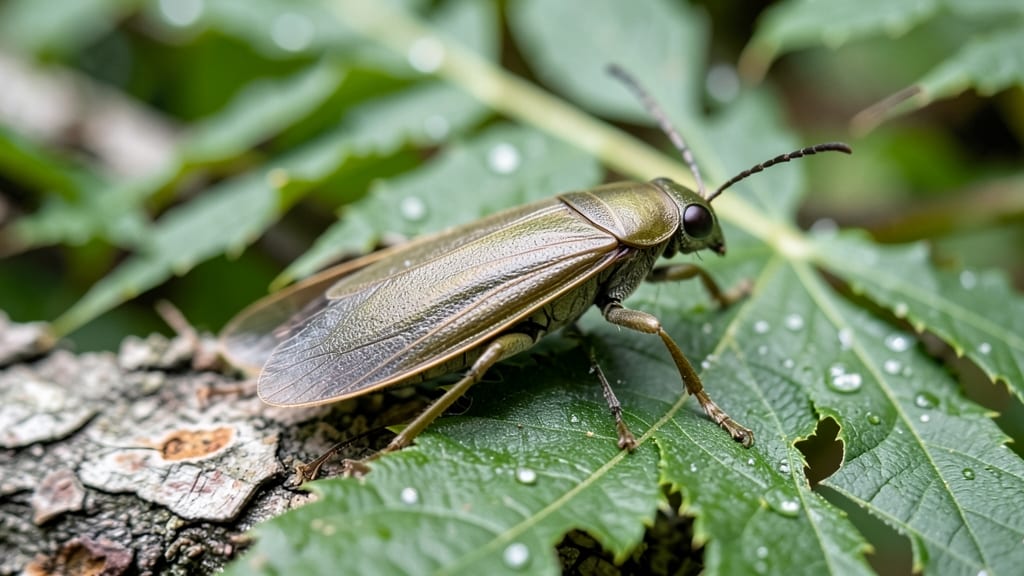
Pecan trees under siege from bugs can turn your harvest into a nightmare of chewed nuts and wilting branches. 🌿 I’ve seen firsthand how quickly aphids, weevils, and casebearers strip a tree of its potential—unless you act fast.
The key isn’t just spotting the pests (though that’s half the battle), but knowing when to intervene and how to stop them without harming your tree long-term.
Most infestations start small: tiny holes in nuts, sticky residue on leaves, or webs clinging to branches. The pecan nut casebearer, for example, hides in rolled leaves until it’s too late—by then, your crop is already compromised.
But here’s the good news: organic solutions like neem oil, pruning infected branches, and introducing beneficial insects can turn the tide before the bugs win.
With the right approach, you’ll protect your tree’s health and your harvest. I’ve saved multiple trees using these methods, and the results—thriving foliage, intact nuts, and fewer pests year after year—are worth the effort. The secret? Catching problems early and staying consistent.
Whether you’re dealing with a new infestation or just want to prevent one, this guide gives you the tools to act confidently. No more guessing—just clear, actionable steps to keep your pecan tree strong and productive.
Root Causes of Tree Invaders
Understanding why pests target your pecan trees starts with recognizing their natural behaviors and environmental triggers. These tiny troublemakers don’t just appear out of nowhere—they’re drawn by specific conditions that make your trees look like an all-you-can-eat buffet. Let’s break down the science behind their uninvited visits.
Pecan trees are nutritional powerhouses, packed with sugars, oils, and proteins that make them irresistible to insects. When your tree thrives—thanks to rich soil, ample water, or over-fertilization—it sends out chemical signals (called volatile organic compounds or VOCs) that act like a dinner bell for pests.
Bugs like aphids, scales, and stink bugs have specialized sensory receptors that detect these scents from miles away.
Actionable Insight:
- Balance is key—over-fertilizing (especially with nitrogen) can make trees too appealing. Test your soil annually and adjust fertilizers to avoid creating a pest magnet.
- Prune strategically to improve airflow and reduce dense foliage, which can trap moisture and attract sap-sucking insects.
Pests thrive when conditions are just right—think of them as nature’s opportunists. Warm spells, drought stress, or sudden rain can weaken trees, making them vulnerable.
For example: - Aphids explode in populations during mild winters and hot springs. - Stink bugs love dry, hot summers and seek out stressed trees. - Pecan weevils (a major threat) are drawn to trees under water stress, as their larvae burrow into nuts that are already drying out.
Actionable Insight:
- Monitor weather trends in your region. If drought is forecasted, implement deep watering (1–2 inches per week) to keep trees hydrated.
- Mulch properly (2–4 inches of organic mulch) to retain moisture and regulate soil temperature, reducing stress signals.
In a healthy ecosystem, pests are kept in check by birds, parasitic wasps, ladybugs, and other beneficial insects. However, if your yard lacks biodiversity—or if you’ve used broad-spectrum pesticides—you’ve likely disrupted this balance. When predators vanish, pest populations skyrocket unchecked.
Actionable Insight:
- Encourage biodiversity by planting native flowers (like dill, yarrow, or milkweed) to attract predator insects and birds.
- Avoid chemical sprays that kill beneficial insects. Opt for targeted organic solutions (e.g., neem oil for aphids) to preserve the food chain.
Stressed trees—whether from disease, physical damage, or improper pruning—emit distress signals that pests can’t resist.
For instance: - Hornworms target trees with new growth (a sign of weakness). - Scale insects latch onto branches with oozing sap, often from pruning wounds. - Fungal infections (like pecan scab) create entry points for secondary pests.
Actionable Insight:
- Inspect trees regularly for signs of disease (e.g., discolored leaves, cankers) and treat issues early with copper fungicides or pruning cuts.
- Seal pruning wounds with pruning paint to prevent fungal entry and pest colonization.
Pecan trees in tight clusters create microclimates—shady, humid pockets where pests love to hide and multiply. Poor airflow also slows down the tree’s ability to recover from infestations, turning a minor issue into a full-blown outbreak.
Actionable Insight:
- Space new trees properly (at least 50–70 feet apart for mature varieties).
- Thin out overgrown branches to improve sunlight penetration and airflow, making it harder for pests to establish colonies.
Quick Fixes for Tree Invaders
Pecan trees are a treasure, but pests like aphids, stink bugs, or scale insects can turn them into a battleground. 🚨 The good news? You don’t need harsh chemicals to reclaim your tree.
Below, we’ll tackle the most common tree troublemakers with organic, effective solutions—plus tips to keep them away for good.
Signs: Sticky residue (honeydew), curled leaves, or clusters of tiny green/black bugs on new growth.
How to Fix It: 🔥 Blast Them Away – Use a strong stream of water (from a hose) to dislodge aphids from leaves and branches. Repeat every 3–4 days until gone. 🍳 Soapy Spray – Mix 1 tbsp mild liquid soap (like Castile soap) + 1 quart water in a spray bottle. Drench infested areas, focusing on undersides of leaves. Reapply after rain. 👨🍳 Introduce Predators – Ladybugs and lacewings love aphids. Buy them online or attract them with neem oil sprays (which also deter aphids).
💡 Prevention Tip: Prune your tree in early spring to remove overwintering eggs and improve airflow (aphids hate dry conditions).
Signs: Brownish shield-shaped bugs, foul odor when crushed, and speckled fruit (if they’ve moved to nuts).
How to Fix It: 🔪 Handpick & Drop – Wear gloves and squish or drop bugs into soapy water. Do this in the early morning when they’re sluggish. 🥘 Diatomaceous Earth – Sprinkle food-grade DE around the base of the tree and on branches. It’s a natural abrasive that dehydrates bugs (reapply after rain). ⏰ Yellow Sticky Traps – Hang these near the tree to catch adults before they lay eggs.
🌡️ Prevention Tip: Mulch with wood chips—it disrupts their soil-dwelling life cycle. Also, remove fallen leaves where they hide.
Signs: Bumpy, waxy bumps on branches/stems, sticky honeydew, and yellowing leaves.
How to Fix It: 🍎 Neem Oil Soak – Mix 2 tbsp neem oil + 1 tsp horticultural oil + 1 gallon water. Spray thoroughly (including under bark) every 5–7 days for 3 weeks. 🎯 Scrape Off Scales – Use a soft brush or cloth dipped in rubbing alcohol to physically remove scales from branches. ✨ Beneficial Wasps – Parasitic wasps (like Encarsia) lay eggs inside scales. Order them online or attract them with native flowering plants.
💡 Prevention Tip: Inspect new plants before bringing them home—scale insects often hitchhike on nursery stock.
Pests thrive when trees are weak. Strengthen your pecan tree with these low-effort habits:
- Water deeply (1–2 inches per week) but avoid overwatering—pests love soggy soil.
- Fertilize in spring with balanced organic fertilizer (like 10-10-10) to encourage robust growth.
- Encourage natural predators by planting dill, fennel, or marigolds nearby—they attract bug-eating birds and insects.
Remember: Patience is key! Some solutions take 2–4 weeks to show results. Monitor your tree regularly, and act at the first sign of trouble—early intervention saves the most damage. 🌳💪
Frequently asked questions
What are the most common bugs that attack pecan trees?
The top culprits include pecan nut casebearers (tiny moth larvae that burrow into nuts), aphids (which leave sticky honeydew), stink bugs (known for speckled damage), and scale insects (waxy bumps on branches). Early identification is key—check for chewed leaves, holes in nuts, or unusual residue.
How do I know if my pecan tree has a bug problem?
Watch for these red flags: holes in pecans, curled or yellowing leaves, sticky sap (honeydew), or webs. Shake branches over a white sheet—visible bugs or eggs confirm an infestation. Act fast, as damage worsens quickly in warm weather.
Can I use chemical pesticides on my pecan tree?
Chemicals like carbaryl or permethrin work but can harm beneficial insects and pollinators. For organic solutions, try neem oil (spray every 5–7 days) or kaolin clay (creates a protective barrier). Always follow label instructions and prioritize early intervention.
When is the best time to treat pecan tree pests?
Start treatments in early spring (before buds swell) to catch overwintering eggs. Repeat every 2–4 weeks during peak pest seasons (spring/summer). For nut casebearers, focus on May–June when larvae emerge—this prevents crop damage.
Will pruning help control pecan tree bugs?
Prune in late winter to remove dense branches (which trap pests) and improve airflow. Cut out infested limbs immediately—bag and dispose of them (don’t compost). Thin canopies also reduce humidity, making trees less appealing to bugs.