
Pruning
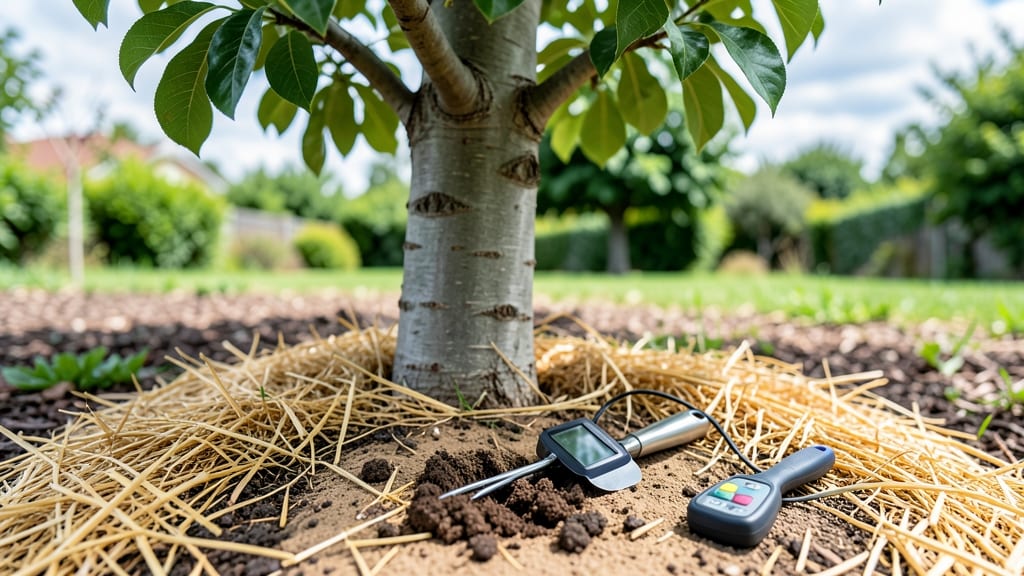
Growing a thriving peach tree starts with understanding its soil requirements—because the right mix of nutrients, pH, and drainage makes all the difference between a tree that struggles and one that bursts with fruit.
Struggling to get your peach tree to thrive? The secret to juicy, abundant fruit lies beneath the surface—in the soil. Get the pH, drainage, and nutrients wrong, and even the hardiest peach tree will fight to survive.
Peach trees crave well-draining, slightly acidic soil with a pH between 6.0 and 6.5. Too alkaline, and they can’t absorb key nutrients like iron or zinc, leading to yellow leaves and stunted growth.
Too heavy or compacted, and their roots suffocate, leaving you with a tree that just won’t produce.
In this guide, I’ll walk you through the ideal soil mix for your region, how to test and adjust pH, and the best organic amendments to keep your peach tree happy from planting through harvest.
Peach tree soil pH requirements: the ideal range for healthy growth
Your peach tree won’t reach its full potential unless the soil pH is just right. The ideal soil pH range for peaches is between 4.8 and 6.5, with 6.0–6.5 being the sweet spot for most varieties.
This slightly acidic to neutral range ensures your tree can absorb essential nutrients like nitrogen, phosphorus, and iron—critical for lush foliage and sweet fruit. Without the right pH, even the hardiest peach tree will struggle with stunted growth, yellowing leaves, or poor fruit development.
Why does pH matter so much? Peach trees rely on micronutrients like zinc, manganese, and boron, which become unavailable when soil is too alkaline (high pH) or too acidic (low pH). For example, chlorosis (yellow leaves with green veins) often signals iron deficiency caused by alkaline soil.
Testing your soil’s pH before planting is a game-changer—it’s the first step to unlocking your tree’s full fruit-bearing potential.
Soil pH isn’t just about numbers; it’s about creating the perfect environment for root health. In alkaline soil (pH above 7.0), nutrients like iron and phosphorus bind to soil particles and become inaccessible. Meanwhile, acidic soil (pH below 4.8) can leach essential minerals away, leaving your tree malnourished. The key is balance—think of pH as the foundation for everything else your peach tree needs to thrive.
| Factor | Ideal Range | Impact of Deviation | Fix It With |
|---|---|---|---|
| pH Level | 4.8–6.5 | Nutrient lockout, stunted growth | Sulfur (lower pH), lime (raise pH) |
| Organic Matter | 3–5% | Poor drainage, nutrient deficiency | Compost, well-rotted manure |
| Drainage | Well-draining | Root rot, waterlogged soil | Sand, perlite, raised beds |
| Nutrient Availability | Balanced | Yellow leaves, weak branches | Organic fertilizer, micronutrient spray |
Testing your soil’s pH is simpler than you think. Grab a soil pH test kit (available at garden centers for under $10) or use a digital pH meter for instant results.
To test, collect soil from 6–8 inches deep around your tree’s drip line, mix it with distilled water, and follow the kit’s instructions. If your pH is below 4.8, your soil is too acidic—amend it with elemental sulfur or peat moss.
For pH above 6.5, use pelletized lime to raise it gradually. Remember: adjust pH slowly—sudden changes can shock your tree’s roots.
Regional soil types play a huge role in pH balance. If you’re in an area with clay soil (common in the Midwest), pH tends to run higher due to natural minerals. In contrast, sandy soil (like in the Southeast) often leans acidic.
My local extension office can provide soil reports tailored to your area—take advantage of free resources! For example, California’s alkaline soils often need extra sulfur to keep peaches happy, while Pacific Northwest gardeners might need lime to counteract naturally acidic conditions.
Alkaline soil is the silent killer of peach trees. When pH exceeds 7.0, iron, manganese, and zinc become locked out, causing iron chlorosis—yellow leaves with green veins. This condition weakens the tree, reducing fruit quality and yield. The fix? Soil acidifiers like aluminum sulfate or sulfur granules.
Work them into the top 12 inches of soil in early spring, then retest pH in 2–3 months. Pro tip: mulch with pine needles—they naturally lower pH over time as they decompose.
Don’t overlook the role of organic matter in pH balance. Compost, well-rotted manure, and leaf mold improve soil structure while buffering pH swings. Aim for 3–5% organic matter in your planting hole. Mix in 1–2 inches of compost annually to maintain fertility and stability.
Organic amendments also introduce beneficial microbes that help roots access nutrients more efficiently—another reason my peach trees thrive in amended soil.
Young peach trees are especially sensitive to pH imbalances. If you’re planting a new tree, test and amend the soil 3–6 months beforehand. For established trees, monitor pH annually in early spring. Signs of pH problems include yellowing leaves, poor flowering, or small, bitter fruit.
Addressing these early can save your harvest. For example, my neighbor’s peach tree struggled with bitter fruit until we tested the soil—turns out, the pH was 7.2, and a few applications of sulfur brought it back to 6.3, resulting in sweeter peaches the next season.
When adjusting pH, think long-term. Quick fixes like over-applying lime or sulfur can disrupt the soil ecosystem. Instead, aim for small, incremental changes. For instance, if your pH is 6.8, add 1–2 pounds of sulfur per 100 square feet and retest in 3 months.
Patience pays off—your peach tree will
Best soil composition for peach trees: drainage, texture, and nutrient balance
Peach trees thrive in loamy soil that balances moisture retention with excellent drainage. The right texture prevents root rot while delivering essential nutrients for fruit production. If your soil is too heavy with clay or too sandy, your tree will struggle to develop strong roots and produce sweet peaches.
Ideal peach tree soil should be 60% mineral, 30% organic matter, and 10% air and water. This composition supports root expansion while preventing waterlogging.
For example, native clay soils need sand and compost to improve aeration, while sandy soils benefit from peat moss or coconut coir to retain moisture.
Here's a quick comparison of soil types and their impact on peach tree health:
Peach Tree Soil Composition Guide
Perfect balance of sand, silt, clay
Ideal drainage + moisture retention
Too dense, poor aeration
Add 30% sand/compost
Drains too quickly
Add 20% peat moss
Pro Tip: Test your soil with a pH meter before planting. Peaches prefer 6.0-6.5 pH.
To create the perfect mix, start with native topsoil and amend it with composted manure (like cow or horse) and coarse sand. For example, I blend 50% native soil, 30% compost, and 20% sand for my peach trees. This combination mimics the natural forest floor where peaches originally thrived.
Common soil mistakes include over-amending with peat moss (which can acidify soil too much) or using fresh manure that burns young roots. Always use well-aged compost or composted manure to avoid nutrient overload. For established trees, a 2-inch layer of mulch (like wood chips) helps maintain moisture and temperature.
Remember that drainage is critical. Peach tree roots need oxygen, and waterlogged soil suffocates them. If your yard has poor drainage, consider planting your tree on a mound or raised bed filled with your custom soil mix.
This simple adjustment can double your tree's growth rate in the first year.
For container-grown peach trees, use a 50/50 mix of potting soil and perlite. This ensures lightweight, well-draining conditions that prevent root rot. Always include slow-release fertilizer in the planting mix to provide steady nutrients during the growing season.