
Pruning
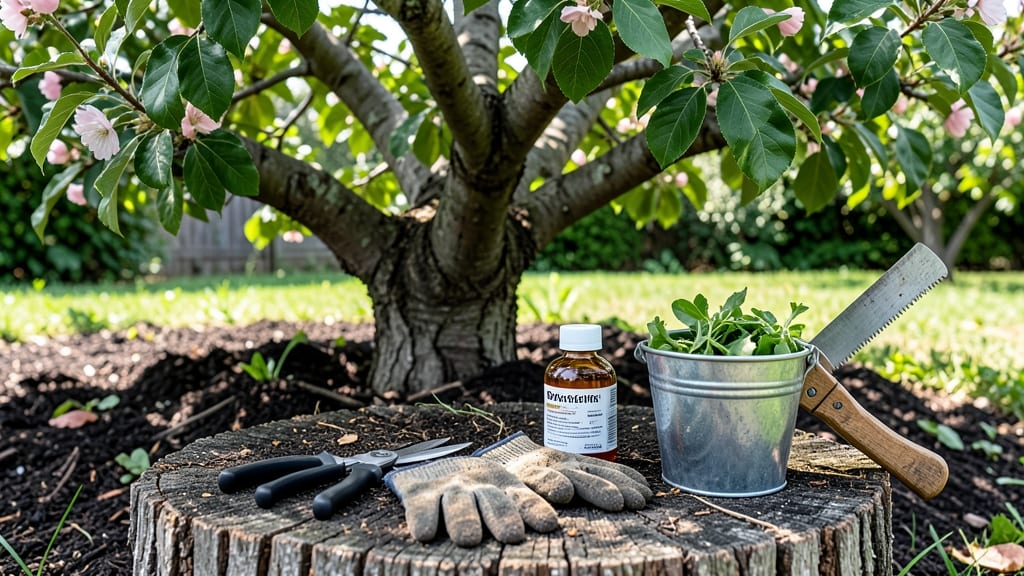
Pruning peach trees in Texas isn't just about shaping—it’s about surviving brutal summers and producing fruit all year. 🌵 I’ve learned the hard way that Texas heat demands a different approach than northern climates, where trees get pruned for winter dormancy.
Here, we prune to open airflow, reduce heat stress, and keep the tree from burning out before harvest season.
The best time to prune is late winter to early spring, right before buds swell but before new growth starts. You’ll need sharp pruners, a saw for thicker branches, and a 50% bleach-water mix to sterilize cuts—this prevents silver leaf disease, a common Texas threat.
Focus on removing dead wood, crossing branches, and thinning the canopy to let sunlight reach the center.
After pruning, your tree will reward you with thicker branches, more shade for roots, and fruit that ripens evenly instead of baking in the sun. I’ve seen trees go from sparse harvests to overflowing branches just by following these steps.
The key is patience—Texas peaches take time to recover, but they’ll outlast any storm if you give them the right shape.
Don’t skip the post-pruning care: water deeply at the base, avoid overhead sprinklers (they spread fungal diseases), and mulch with 2-3 inches of organic matter to lock in moisture.
If you’re in East Texas, watch for peach tree borers—wrap trunks with sticky bands in early spring to catch them before they cause damage.
📚 In This Guide
- What you need
- Instructions
- Tips and common mistakes
- Wrapping up and next steps
What you need
- ● Pruning shears (bypass or anvil type) – Choose sharp, high-quality shears (e.g., Felco or Corona) for clean cuts. Size: 7–9 inches for medium branches.
- ● Loppers – For thicker branches (1–2 inches in diameter). Spec: Bypass lopper with a long handle (24–36 inches) for reach.
- ● Pruning saw – For branches over 2 inches thick. Type: Bow saw or folding pruning saw.
- ● Disinfectant (70% isopropyl alcohol or bleach solution) – Wipe tools between cuts to prevent bacterial/fungal spread (e.g., Xylella fastidiosa, a Texas threat).
- ● Heavy-duty gloves – Cut-resistant (e.g., Mechanix or garden gloves with Kevlar) to protect from thorns and sawdust.
- ● Work boots or sturdy shoes – Texas soil can be uneven or rocky; opt for ankle support.
- ● Ladder or step stool – If your tree exceeds 8 feet tall. Safety tip: Use a stable, non-slip model.
- ○ Tree wound dressing (optional but helpful) – Pruning paste (e.g., Tanglefoot Tree Wound Pruning Sealer) for large cuts to reduce disease risk.
- ● Water and cooling towel – Texas heat is no joke! Stay hydrated and wipe sweat to avoid slips.
- ● Extension pole saw – For high branches without a ladder.
- ● Tarp or drop cloth – Lay beneath the tree to collect debris easily.
- ● Pole pruners – For top-heavy branches (10–12 feet up).
- ● Labeling tags – If grafting or marking specific cuts for future reference.
- ● Sunscreen (SPF 30+) – Trust us—your arms will thank you!
Step-by-Step guide to pruning your Texas peach tree for drought resilience
Here’s how to sculpt your peach tree for Texas heat while keeping it productive year after year.
✂️ Step 1: Prune in Late Winter When Dormant
Texas peaches need pruning before buds swell—aim for mid-February to early March when the tree is still dormant. This timing prevents stress from late-season growth and helps the tree recover before summer heat arrives. I always check for tight, brown buds as my signal that it’s time to start.
Start by removing dead, diseased, or crossing branches first. These are easy to spot—they’re either brown and brittle or rubbing against other limbs. Cut them back to the main trunk or a healthy outward-facing bud. Use clean, sharp pruners to make smooth cuts at a 45-degree angle just above a bud.
🌿 Step 2: Thin the Canopy for Airflow
Peach trees in Texas suffer from fungal diseases if the center gets too dense. Step back and look for branches growing inward or shading the center. These need to go—they block sunlight and trap moisture. I target branches that are thinner than a pencil or growing straight up (called "water sprouts").
Cut these back to a side branch or outward bud to encourage an open, vase-like shape. This shape lets air circulate, reducing humidity where fungus thrives. Leave 3-4 main scaffold branches evenly spaced around the trunk. If your tree is young, aim for 6-8 inches apart between branches.
☀️ Step 3: Shape for Sun Exposure
Texas peaches need full sun (6+ hours daily), so prune to keep the canopy open. Remove any branches growing too close to the ground—they’ll cast shade on fruit below. Also, trim suckers (shoots growing from the base) immediately—they drain energy from fruit production.
For mature trees, focus on lightening the top by cutting back 1/3 of the oldest branches to encourage new growth lower down. This keeps fruit within reach and prevents the tree from becoming top-heavy. Always step back after pruning—your tree should look balanced, like a natural vase, not bushy or crowded.
💧 Step 4: Post-Prune Care for Drought Resistance
After pruning, water deeply to help the tree recover. Texas heat can stress fresh cuts, so apply 2-3 inches of mulch (like wood chips) around the base—but keep it 6 inches away from the trunk to prevent rot. This mulch layer locks in moisture and keeps roots cool.
Wait 2-3 weeks before fertilizing. A light application of balanced 10-10-10 (follow package rates) in early spring gives the tree energy for new growth. Avoid heavy nitrogen—it encourages leafy growth over fruit. Instead, focus on phosphorus and potassium to strengthen roots and fruit production.
⏰ Step 5: Monitor and Adjust Through the Year
Check your tree monthly for new suckers or crossing branches. Texas summers are brutal, so prune lightly in summer (only to remove dead wood) to avoid stress. If you see fruit spurs (small clusters of buds) forming, leave them—they’re where next year’s peaches will grow.
By late fall, assess the tree’s shape again. If branches grew too long, lightly trim back tips to encourage bushier growth. This keeps the tree compact and drought-tolerant, ready to handle another Texas summer. Over time, your peach tree will develop a strong, open framework that produces fruit year after year.
Tips & tricks for pruning your Texas peach tree
These pro tips will help you avoid common mistakes and get the most out of your pruning effort.
Timing is Everything: The mid-February to early March window is critical because it gives your peach tree time to heal before Texas heat arrives. If you miss this window, wait until buds start to swell—just don't delay past early spring. I've seen trees stressed by late pruning, so mark your calendar now!
The 45-Degree Angle Secret: When making cuts in Step 1, that 45-degree angle isn't just for looks—it helps rainwater run off the cut instead of pooling and causing rot. Always cut just above a healthy outward-facing bud to encourage new growth in the right direction. I keep a small angle gauge on my pruners for perfect cuts every time.
Canopy Airflow Strategy: In Step 2, aim for that open vase shape to maximize airflow. I like to visualize light streaming through the center—if you can't see sunlight reaching the middle, you haven't thinned enough. For mature trees, removing 1/3 of oldest branches (Step 3) creates space for new growth while maintaining that balanced look.
Post-Prune Recovery: That 2-3 week wait before fertilizing (Step 4) is non-negotiable. Your tree needs time to recover from pruning stress before adding nutrients. I've seen trees over-fertilized too soon develop weak growth that struggles in Texas heat—always let those fresh cuts heal first.
Pro Tips for Peach Tree Pruning Texas
- These pro tips will help you avoid common mistakes and get the most out of your pruning effort.
- Timing is Everything: The mid-February to early March window is critical because it gives your peach tree time to heal before Texas heat arrives.
- The 45-Degree Angle Secret: When making cuts in Step 1, that 45-degree angle isn't just for looks—it helps rainwater run off the cut instead of pooling and causing rot.
Frequently asked questions
Got questions about pruning your peach tree in Texas?
You’re not alone! Whether you're a first-time pruner or a seasoned gardener, these common queries will help you keep your tree thriving—even in Texas heat and drought.
When is the best time to prune a peach tree in Texas?
The ideal window is late winter to early spring (February–March) while the tree is still dormant but before buds swell. Avoid pruning in summer or fall, as Texas heat or cold can stress the tree. Pro tip: If you must prune outside this window, do it on a mild day and sterilize tools to prevent disease!
How much can I trim off my peach tree without hurting it?
For young trees (under 3 years), remove no more than 25–30% of the canopy per year. Mature trees can handle up to 20% annually. Focus on dead, crossing, or overcrowded branches first. Over-pruning weakens the tree and reduces fruit production—think "less is more"!
What should I do if my peach tree has fire blight after pruning?
Fire blight (blackened, oozing branches) is common in Texas. Act fast: Cut back 6–12 inches below infected areas to healthy wood, then sterilize tools with rubbing alcohol. Dispose of infected branches in the trash (not compost). Apply a copper fungicide afterward to prevent spread.
Can I prune a peach tree in Texas during a drought?
Pruning during drought is risky—it stresses the tree further. If you must prune, do so early in the dormant season (January–February) and water deeply before and after. Avoid heavy pruning until rains return. Alternative: Lightly shape the tree in winter and wait for spring to do major work.
Will pruning my peach tree increase fruit production?
Yes—but only if done correctly! Pruning improves airflow and sunlight, reducing disease and encouraging larger, healthier fruit. However, over-pruning can backfire by removing too many fruit-bearing branches. Balance is key: prune for structure first, fruit second.
Do I need special tools for peach tree pruning in Texas?
Basic tools suffice: bypass pruners (for small branches), loppers (medium branches), and a pruning saw (thick limbs). Sterilize tools between cuts (bleach or alcohol) to avoid spreading disease. A ladder helps with tall trees, and gloves protect from thorns!
Wrapping up and next steps
Pruning your peach tree in Texas isn’t just about shaping—it’s about strengthening your tree for drought, disease, and bountiful harvests year after year. 🌟 By mastering the right techniques (like thinning cuts, timing, and tools), you’ll ensure healthier growth, better airflow, and those juicy peaches you dream of.
Now that you’re armed with the know-how, grab those pruners and get to work—your tree (and future fruit) will thank you!
Next step: Mark your calendar for late winter or early spring and start pruning. Watch your peach tree thrive—and don’t forget to celebrate your first harvest! 🍑✨