
Pruning
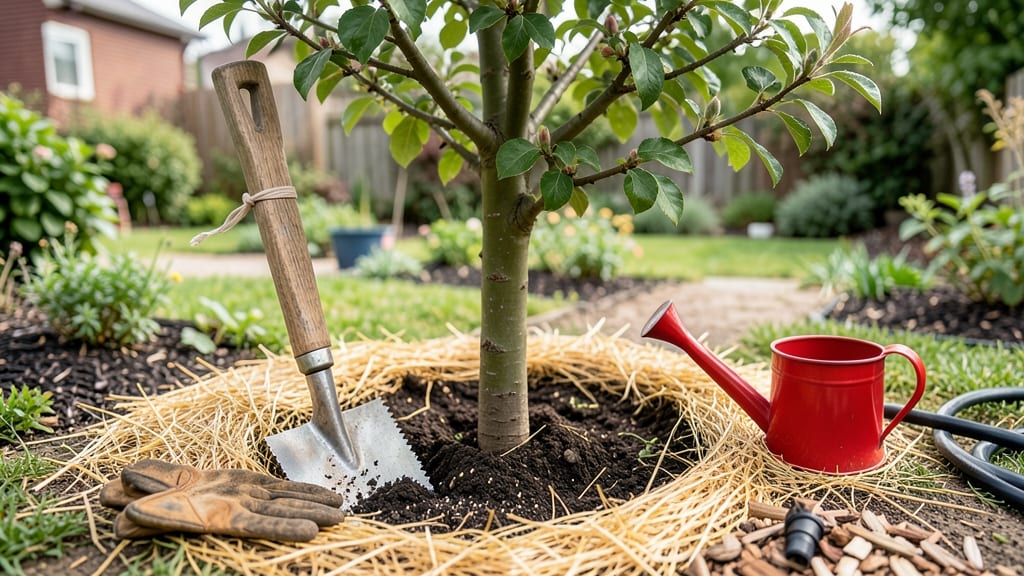
Here are some essential peach tree planting tips—sweet rewards await if you get the basics right. 🌱 The right soil, location, and timing make all the difference between a thriving fruit producer and a sad, stunted plant. I’ve learned the hard way that peaches demand full sun, well-draining soil, and patience, but once you get it right, you’ll have fresh fruit for decades. Start with a site that gets at least 6-8 hours of sun daily, sheltered from harsh winds. Peaches hate soggy roots, so amend heavy clay soil with compost or sand before planting. Late winter or early spring is ideal—cool enough for roots to establish before summer heat hits. Dig a hole twice as wide as the root ball but no deeper. Water deeply right after planting, then keep soil moist (not soggy) for the first 2-3 months. A 2-3 inch layer of mulch around the base helps retain moisture and suppress weeds. Prune only to remove dead branches—wait until spring to shape the tree for better airflow and fruit production. Common mistakes? Planting too deep (roots need oxygen), skipping soil prep, or overwatering. With the right care, your peach tree will reward you with juicy fruit in 3-5 years—and maybe even shade for your afternoon naps.
📚 In This Guide
- What you need
- Instructions
- Tips and common mistakes
- Wrapping up and next steps
What you need
- ● Peach Tree Sapling: Choose a dwarf, semi-dwarf, or standard variety (based on space). Ensure it’s bare-root (for spring planting) or container-grown (for year-round planting).
- ● Shovel or Trench Digger: For digging holes 1.5–2 times wider than the root ball and deep enough to accommodate roots without bending.
- ● Garden Gloves: Heavy-duty to protect hands from thorns and rough soil.
- ● Well-Draining Soil Mix: Native soil (if well-draining) or a blend of 60% topsoil, 30% compost, and 10% coarse sand/perlite.
- ● pH Test Kit: Aim for 6.0–7.0 pH (peaches prefer slightly acidic to neutral soil).
- ● Organic Mulch: 3–4 inches of wood chips, straw, or pine needles (keep mulch 6 inches away from the trunk to prevent rot).
- ● Watering Can or Hose with Nozzle: For deep watering (1–2 gallons per tree initially).
- ○ Staking System (Optional but Recommended): 2–3 wooden or metal stakes (4–5 feet tall).
- ● Soft tree ties or fabric strips to secure the tree without damaging the trunk.
- ● Slow-Release Fertilizer: Balanced 10-10-10 or citrus-specific fertilizer (apply sparingly at planting).
- ● Root Stimulator: Mycorrhizal fungi or a rooting hormone to boost early growth.
- ● Tree Guard or Protective Cage: To deter animals (e.g., rabbits, deer) from nibbling young bark.
- ● Soil Moisture Meter: For monitoring water needs during the first critical weeks.
- ● Pruning Shears: Bypass pruners (for post-planting cleanup or shaping).
Step-by-step instructions for planting a peach tree
Here's how to get your peach tree off to the strongest start—sun, soil, and timing matter most.
🌱 Step 1: Choose the Right Location and Prepare the Soil
Peach trees thrive in full sun—pick a spot that gets at least 6-8 hours of direct sunlight daily. Avoid low areas where cold air settles, as peaches are sensitive to frost damage. The soil should be well-draining but moist, with a pH between 6.0 and 6.5.
Test your soil a few weeks before planting. Dig a hole twice as wide as the tree’s root ball but no deeper. Mix the native soil with 2-3 inches of compost to improve fertility and drainage. If your soil is heavy clay, add a shovel of coarse sand or perlite to help roots spread easily. Peach trees hate soggy roots, so good drainage is non-negotiable.
🪴 Step 2: Plant at the Correct Depth and Stake for Support
Remove the tree from its container and loosen any circling roots gently with your fingers. Place it in the hole so the top of the root ball sits 1-2 inches above ground level—this prevents water from pooling around the trunk and causing rot. The graft union (a visible bump or ring on the trunk) should be 2-4 inches above the soil line.
Backfill the hole with the amended soil, tamping it down lightly as you go to remove air pockets. Water deeply to settle the soil, then add a 4-foot stake placed 3-4 inches away from the trunk. Tie the tree to the stake with soft tree ties or fabric strips, leaving room for the trunk to swell slightly. Mulch the base with 2-3 inches of wood chips, keeping it 6 inches away from the trunk to prevent rot.
☀️ Step 3: Water and Care for the First Critical Months
Water the tree immediately after planting, giving it 1-2 gallons of water to help roots establish. For the first 4-6 weeks, keep the soil consistently moist but never soggy—water when the top 2 inches of soil feel dry. Overwatering at this stage is a common mistake; peach trees are drought-tolerant once established but need steady moisture to root.
Monitor the tree for signs of stress: wilting leaves mean it’s thirsty, while yellowing leaves could signal overwatering or poor drainage. Avoid fertilizing for the first 8-12 weeks—new roots need time to grow before competing with nutrients. If you notice pests like aphids or spider mites, spray with water or use neem oil early to avoid chemical residue on fruit later.
⏰ Step 4: Prune and Protect for Long-Term Health
In late winter or early spring, before buds swell, prune the tree to remove any dead, crossing, or diseased branches. Cut just outside the branch collar (the swollen area where the branch meets the trunk) to encourage healthy regrowth. Open the center of the tree to improve airflow, which reduces fungal diseases like brown rot—a common peach tree enemy.
Apply a 2-inch layer of mulch each year to retain moisture and regulate soil temperature. In late fall, wrap the trunk with tree guard or burlap to protect it from winter sunscald (cracking from temperature swings). Peach trees are self-pollinating, but planting two varieties nearby can boost fruit production. Watch for peach leaf curl in spring—spray with copper fungicide at bud swell to prevent it.
Tips & tricks for perfect peach tree planting
Sunlight, soil prep, and smart planting choices make all the difference when growing healthy peach trees. Here's what I've learned from years of working with these sun-loving plants.
Sunlight Strategy: While the instructions mention 6-8 hours of direct sunlight, I recommend planting your peach tree where it gets morning sun and afternoon shade if you live in a hot climate. The intense afternoon sun can stress young trees, especially in the first growing season. If you must plant in full sun, provide temporary shade cloth during the hottest hours for the first few weeks.
Soil Prep Secret: The 2-3 inches of compost recommendation is perfect, but I always add a handful of bone meal to the planting hole before backfilling. This provides slow-release phosphorus that encourages strong root development during those critical first 6 weeks. Just mix it into the bottom 6 inches of the hole—you don't want it too close to the trunk where it could burn new roots.
Watering Wisdom: Those first 4-6 weeks are make-or-break for root establishment. I've found that watering deeply every 3-4 days (rather than daily shallow watering) encourages roots to grow deeper. Use a moisture meter to check that the soil stays consistently moist down to 6 inches—this is harder to judge by feel alone. A soaker hose buried 2 inches deep works wonders for even water distribution.
Long-Term Protection: While the instructions mention winter trunk protection, I've had the most success with a double-layer approach. Wrap the trunk with tree guard first, then wrap that with burlap. This combination prevents both sunscald and rodent damage. In areas with heavy snow, I also add a wire cage around the tree to prevent branches from breaking under snow weight.
Pro Tips for Peach Tree Planting Tips
- Sunlight, soil prep, and smart planting choices make all the difference when growing healthy peach trees.
- Sunlight Strategy: While the instructions mention 6-8 hours of direct sunlight, I recommend planting your peach tree where it gets morning sun and afternoon shade if you live in a hot climate.
- Soil Prep Secret: The 2-3 inches of compost recommendation is perfect, but I always add a handful of bone meal to the planting hole before backfilling.
Frequently asked questions
Got questions about planting your peach tree? You’re not alone! Here are answers to the most common concerns—from timing to troubleshooting—to help you grow a thriving tree with confidence.
When is the best time to plant a peach tree?
The ideal window is late winter or early spring (just before buds swell) or fall (4–6 weeks before your first frost). Avoid planting in summer’s heat or winter’s freeze—both stress young roots. If you’re in a mild climate, early spring is safest. Pro tip: Bare-root trees need planting ASAP; container-grown trees can wait a few days.
How cold can a peach tree tolerate?
Peach trees thrive in USDA Zones 5–9 but need winter protection in colder areas. Most varieties handle temps down to –10°F to –20°F if dormant, but young trees or tender varieties (like Elberta) may need winter mulch or row covers. Check your tree’s tag for specific chilling hour requirements—most need 300–1,000 hours below 45°F to fruit well.
Can I plant a peach tree in a container?
Yes! Use a large pot (at least 20 gallons) with drainage holes and well-draining soil. Dwarf varieties (like Bonanza) adapt best. Place the container in full sun, water regularly, and fertilize monthly during growing season. Watch for: root-bound roots (repot every 2–3 years) and winter protection (move pots indoors or wrap in burlap if temps drop below 20°F).
What pests should I watch for after planting?
Newly planted peach trees often attract aphids, peach tree borers, or spider mites. Prevent pests with:
- Neem oil spray (every 2–3 weeks in spring/summer).
- Pruning to improve airflow (pests love dense foliage!).
- Beneficial insects like ladybugs or lacewings.
How long until my peach tree bears fruit?
Patience is key! Dwarf varieties may fruit in 2–3 years, while standard trees take 4–6 years. Boost fruiting with:
- Full sun (6+ hours daily).
- Consistent watering (1–2 inches/week).
- Balanced fertilizer (high in nitrogen for young trees, then switch to 10-10-10 for fruiting).
Bonus: Troubleshooting yellow leaves
Yellow leaves? Don’t panic—it’s often normal stress from transplant shock. But check for:
- Overwatering: Soil should be moist but not soggy. Adjust watering if leaves yellow and wilt.
- Nutrient deficiency: Yellow between veins? Add iron or magnesium. Yellow edges? Try potassium.
- Pests/disease: Curled leaves + sticky residue? Wipe with soapy water for aphids.
Wrapping up and next steps
Planting a peach tree is a rewarding journey that blends patience with the joy of nurturing life. With the right location (sun-drenched soil), preparation (well-draining, nutrient-rich earth), and care (watering, pruning, and protection), you’re setting the stage for a fruitful harvest.
Remember: consistency is key—whether you’re staking young saplings, mulching for moisture, or shielding against pests, every step counts toward a thriving tree.
Now that you’re armed with these peach tree planting tips, take that first step! 🌱 Start small—dig a hole, plant with care, and watch your tree grow. Before you know it, you’ll be savoring homegrown peaches (and maybe even sharing them with neighbors). Happy planting!