
Size
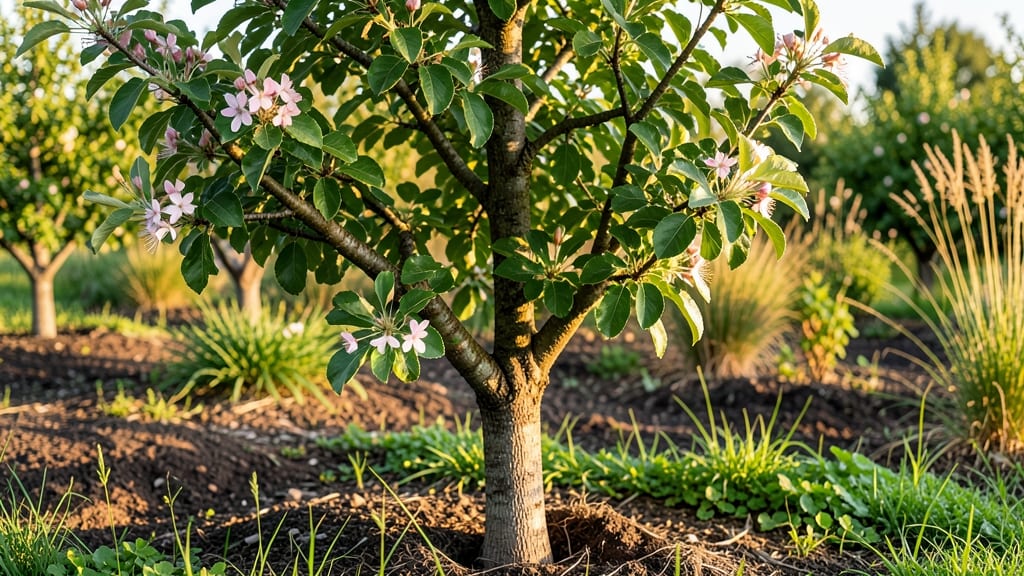
Growing a green apple tree in your garden means crisp, homegrown fruit within just a few years—no orchard needed. 🌳 I planted my first dwarf 'Granny Smith' last spring, and by next summer, I’ll be harvesting apples straight from my backyard.
The key? Choosing the right dwarf variety, giving it full sun, and avoiding common mistakes that stunt growth.
Start with a dwarf or semi-dwarf variety like 'Golden Delicious' or 'Honeycrisp'—they stay small (12–20 feet tall) and thrive in containers or tight spaces. You’ll need well-draining soil, a sunny spot with at least 6–8 hours of light daily, and a spot sheltered from strong winds.
Most gardeners overlook soil prep, but amending with compost makes all the difference in fruit quality.
Once planted, water deeply once a week (more in summer heat) and fertilize in early spring with a balanced 10-10-10 mix. Prune in late winter to shape the tree and remove dead branches—this keeps it healthy and boosts fruit production.
By year three, you’ll have a tree loaded with sweet, tart apples, ready to pick in late summer or early fall.
For year-round harvests, plant two different varieties to ensure cross-pollination (like 'Fuji' and 'Gala'). Watch for apple scab and codling moths, but organic sprays or neem oil keep pests at bay. With patience, your green apple tree will become the star of your garden—and your kitchen table.
📚 In This Guide
- What you need
- Instructions
- Tips and common mistakes
- Wrapping up and next steps
What you need
- ● Dwarf green apple tree sapling: Choose varieties like Granny Smith, Golden Delicious, or Fuji (dwarf rootstock recommended).
- ● 1-2 trees (planting two ensures cross-pollination for fruit production).
- ● Well-draining soil: Mix compost (50%) with native soil (50%) for optimal fertility.
- ● Organic mulch: Straw or wood chips (2-3 inches) to retain moisture and suppress weeds.
- ● Balanced fertilizer: 10-10-10 or organic options like fish emulsion or compost tea (apply at planting and annually in spring).
- ● Watering can or drip irrigation system: For consistent moisture (especially critical in the first year).
- ● Pruning shears: Sharp, clean shears (sterilize with rubbing alcohol between cuts).
- ● Garden gloves: To protect hands from thorns and soil.
- ● Tree stakes and ties (for young trees in windy areas).
- ● Fruit tree spray (organic copper fungicide or neem oil to prevent pests/diseases).
- ● Drip irrigation timer (automates watering for busy gardeners).
- ● Bird netting (to protect ripe fruit from hungry birds).
- ● Soil pH test kit (ideal range: 6.0–7.0; amend with lime or sulfur if needed).
How to grow a green apple tree in your garden
Here's the straightforward method I've used to grow healthy, productive dwarf apple trees in small spaces.
🌱 Step 1: Choose the Right Site and Planting Time
Apple trees need full sun—at least 6-8 hours daily—so pick a south-facing spot with room to grow. Dwarf varieties stay under 8 feet tall, making them perfect for backyards or large containers. Plant in early spring, after the last frost when soil warms to 50°F.
Dig a hole twice as wide as the root ball but no deeper. Loosen the sides to encourage root spread. If your soil drains poorly, mix in 2-3 inches of compost to improve aeration. This prevents waterlogging, which can rot roots before the tree even establishes.
🪴 Step 2: Plant and Stake for Support
Place the tree so the graft union (the bump near the base) sits 2-3 inches above soil level. This ensures the tree develops strong roots before fruiting. Backfill with native soil, tamping gently to remove air pockets. Water deeply to settle the soil around roots.
Drive a 4-foot stake into the ground 6 inches away from the tree trunk and secure with soft ties. Young trees need support to prevent leaning, especially in windy areas. Mulch with 2-3 inches of organic mulch (like wood chips) in a ring around the base, keeping it 3 inches away from the trunk to prevent rot.
☀️ Step 3: Water and Fertilize for First-Year Growth
Water deeply once a week during the first growing season, providing 1-2 gallons per tree until the soil drains 6-8 inches deep. Overwatering is worse than underwatering—apple trees hate soggy roots. Check moisture by sticking your finger 2 inches into the soil; if it feels dry, water again.
Apply a balanced 10-10-10 fertilizer in early spring (when buds swell) and again in late summer (after harvest). Follow package instructions for amounts—too much fertilizer burns roots. Avoid high-nitrogen fertilizers, which encourage leafy growth over fruit production.
✂️ Step 4: Prune for Shape and Airflow
Prune in late winter (before buds swell) to remove dead, crossing, or inward-growing branches. Use clean, sharp pruners to make cuts at a 45-degree angle, just above a bud or branch. Open the center of the tree to improve airflow, which prevents fungal diseases like apple scab.
For dwarf varieties, aim for a central leader shape—one main trunk with smaller branches spreading outward. Remove any "water sprouts" (shoots growing straight up from the trunk) immediately. Proper pruning now means fewer structural issues and easier harvesting later.
🍎 Step 5: Protect and Pollinate for Fruit
Apple trees need cross-pollination—plant a second variety within 50 feet for fruit set. If space is tight, choose two dwarf varieties with compatible bloom times. Cover young trees with frost cloth in late spring if frost threatens after buds open.
Thin fruit in early summer (when apples are 1 inch wide) to 6-8 inches apart on branches. This ensures larger, higher-quality apples. Remove any damaged or diseased fruit immediately to prevent spreading. With patience, your dwarf apple tree will bear fruit in 3-5 years—and with less work than full-size trees.
Tips & tricks for growing dwarf apple trees
Growing a thriving dwarf apple tree takes more than just planting—these simple strategies will help you avoid common pitfalls and set your tree up for success from day one.
Site Selection Secret: While the instructions call for full sun, don't just pick any sunny spot. Look for areas with morning sun and afternoon shade in hot climates—this prevents leaf scorch while still giving your tree the 6-8 hours of light it needs. I've seen trees in full afternoon sun develop brown edges on leaves, even when watered properly.
Planting Depth Matters: That 2-3 inch graft union placement above soil level is critical—it's the tree's "waistline" that determines whether it grows into a productive fruit tree or a weak, spindly plant. If you bury it too deep, the roots will struggle to establish properly. Mark the graft union with a pencil before planting to ensure perfect positioning.
Watering Wisdom: The once-a-week watering guideline works in average conditions, but don't rely solely on a schedule. Stick your finger 2 inches into the soil—if it feels dry at that depth, water immediately. I've learned the hard way that apple trees show stress symptoms (yellowing leaves, wilting) long after they actually need water, so checking soil moisture is more reliable than guessing.
Fertilizer Timing: The early spring and late summer feeding schedule is perfect, but here's what nobody tells you—if your soil is already rich (like if you've composted heavily in the planting hole), you might not need the late summer feeding at all. Test your soil first, and if phosphorus levels are high, skip the second application to prevent over-fertilization.
Pro Tips for Green Apple Tree Grow A Garden
- Growing a thriving dwarf apple tree takes more than just planting—these simple strategies will help you avoid common pitfalls and set your tree up for success from day one.
- Site Selection Secret: While the instructions call for full sun, don't just pick any sunny spot.
- Planting Depth Matters: That 2-3 inch graft union placement above soil level is critical—it's the tree's "waistline" that determines whether it grows into a productive fruit tree or a weak, spindly plant.
Frequently asked questions
Got questions about growing your own green apple tree in a garden?
You’re not alone! Here are answers to the most common queries—from timing to troubleshooting—to help you cultivate a thriving, year-round harvest with dwarf varieties.
How long does it take for a dwarf green apple tree to bear fruit?
A dwarf green apple tree typically takes 3–5 years to bear fruit, depending on care, variety, and climate. Patience pays off—choose fast-maturing varieties like ‘Granny Smith’ or ‘Golden Delicious’ for quicker rewards. Prune regularly and ensure full sun (6+ hours/day) to speed up fruiting.
When is the best time to plant a dwarf apple tree in my region?
Plant in early spring (after last frost) or fall (4–6 weeks before first frost). Avoid extreme heat or cold. For container growing, spring is ideal—just harden off seedlings before transplanting. Check your USDA hardiness zone to align with local frost dates!
Can I grow green apples in containers, and what size pot do I need?
Dwarf varieties thrive in 15–25 gallon containers with drainage holes. Use well-draining soil (e.g., 60% potting mix + 40% perlite/sand). Rotate pots weekly for even sunlight. Bonus: Container trees ripen slightly earlier than ground-planted ones!
Why aren’t my apple tree leaves turning green, or are they yellowing?
Yellowing leaves often signal nutrient deficiency (iron/chlorosis) or pests (aphids, mites). Test soil pH (ideal: 6.0–7.0) and amend with compost. For chlorosis, apply chelated iron or mulch with well-rotted manure. Inspect undersides of leaves for pests—spray with neem oil if needed.
What’s the easiest dwarf green apple variety for beginners?
Start with ‘Liberty’ or ‘Enterprise’—both are disease-resistant, cold-hardy, and produce sweet-tart green apples. ‘Anna’ is another great pick: self-pollinating and compact. Avoid ‘Granny Smith’ for beginners (needs cross-pollination).
How do I protect my dwarf apple tree from winter frost?
Mulch the base with 4–6 inches of straw or wood chips to insulate roots. Wrap the trunk with burlap or tree guard to prevent sunscald. In extreme cold (<10°F), drape a frost blanket loosely over the canopy. Prune in late winter to avoid stressing the tree.
Wrapping up and next steps
Growing a green apple tree in your garden is a rewarding journey that brings fresh, crisp fruit straight to your doorstep—even in smaller spaces! With dwarf varieties, you’ll enjoy year-round beauty and harvests without sacrificing yard space.
Whether you’re a beginner or a seasoned gardener, the key is patience, proper care, and a little creativity.
Now that you’re equipped with the know-how, take the next step! Start by selecting your favorite dwarf variety, prepping your soil, and planting with confidence. Watch your garden flourish—and soon, you’ll be savoring homegrown apples all year long. 🌱🍏