
Pruning
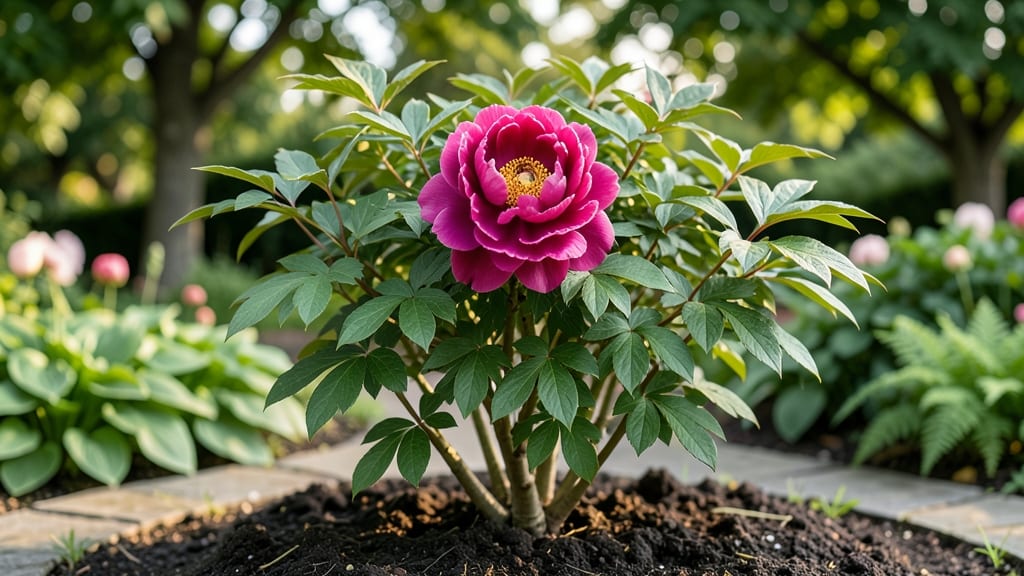
Tree peonies like Paeonia reward patience with dramatic blooms—but their health starts with smart pruning. ✂️ I’ve learned the hard way that cutting at the wrong time can rob you of next year’s flowers, so I’m sharing the exact timing and technique that keeps my peonies thriving for decades.
These woody shrubs need full sun and well-draining soil, but their real secret is pruning after blooms fade—not in fall. A single late-summer trim removes spent flowers while preserving next year’s buds hidden in the branches. Overgrown branches? Thin them in stages to avoid shocking the plant.
By winter, your tree peony will stand strong, its skeleton branches ready to burst with blooms in spring. The key is consistency: prune once a year, protect from harsh winters, and watch your peony reward you with foot-wide blooms for years to come.
Works for all tree peony varieties, from classic Paeonia suffruticosa to modern hybrids. Here’s how to do it right—without sacrificing next season’s show.
📚 In This Guide
- What you need
- Instructions
- Tips and common mistakes
- Wrapping up and next steps
What you need
- ● Pruning shears: Bypass pruners (sharp, 6-8" blades) for clean cuts on small stems. 1 pair required.
- ● Loppers: Bypass or anvil type (8-12" blades) for thicker branches (½"–1.5" diameter). 1 pair recommended.
- ○ Pruning saw: Curved-tooth or folding saw for branches >1.5" in diameter. 1 saw (optional but helpful for mature trees).
- ● Disinfectant: Rubbing alcohol (70%+), bleach solution (1:9 ratio with water), or commercial pruning sealant to sterilize tools between cuts. Small bottle or spray.
- ● Gloves: Heavy-duty, cut-resistant to protect hands from thorns and sap. 1 pair.
- ● Garden twine or zip ties: For securing branches during pruning if needed. Small roll.
- ○ Marking twine or flags: To tag branches for removal (helpful for complex pruning). Optional but useful.
- ● Pruning paint/sealant: For large cuts (>1" diameter) to prevent disease entry. Small container.
- ● Ladder or step stool: For high branches (ensure it’s stable!). 1 unit.
- ● Trash bags: For collecting pruned debris. 1-2 bags.
- ● Notebook & pen: To sketch your tree’s structure or note pruning decisions. 1 notebook.
- ● Safety glasses: To shield eyes from flying debris. 1 pair.
Instructions for pruning Paeonia tree peonies
Here’s how I keep tree peonies thriving—with less stress and more blooms.
✂️ Step 1: Prune Immediately After Flowering
Wait until late spring or early summer, once blooms have fully faded and seed pods form. This is the only time to cut back—tree peonies store energy in their roots, and pruning too early can starve next year’s flowers. I use clean, sharp pruners to make 45-degree cuts just above a bud eye (the swollen bump where new growth emerges).
Remove dead or crossing branches first—they compete for nutrients. If a branch is completely spent (no buds), cut it back to the main trunk. Never remove more than one-third of the plant’s foliage at once; tree peonies need leaves to photosynthesize for next year’s blooms.
✂️ Step 2: Thin Out Overcrowded Branches
In early fall, assess the plant’s structure. Tree peonies bloom on old wood, so avoid cutting back healthy branches—focus on thinning instead. Remove weak, spindly stems (they won’t flower well) and any that rub against each other. I aim for 3-5 strong branches per plant—this improves airflow and reduces disease risk.
Make cuts at the base of the branch, just above a bud eye. If you’re unsure which way the bud faces, look for the slightly raised bump—that’s where new growth will emerge. Avoid leaving stubs; a clean cut heals faster and looks tidier.
✂️ Step 3: Light Winter Pruning for Shape
After the first hard frost but before deep winter, give your tree peony a light shape-up. Remove any dead, broken, or diseased branches—these are easy to spot since they’re brown or mushy. I also trim back any branches that grew too vigorously in the previous season to encourage a balanced form.
Never cut back more than 10-15% of the plant in winter. Tree peonies are tough, but over-pruning stresses them. If you’re unsure, wait until spring—better to leave a little too much than too little.
🌿 Step 4: Post-Pruning Care for Recovery
After pruning, water deeply to help the plant recover. Tree peonies have deep roots, so aim for 1-2 inches of water per week (more in extreme heat). I also add a 2-inch layer of mulch around the base to retain moisture and protect roots from temperature swings.
Skip fertilizing right after pruning—wait until early spring when new growth appears. A balanced 10-10-10 fertilizer (lightly applied) gives them a boost without overstimulating tender new shoots.
⏰ Step 5: Monitor and Adjust Yearly
Tree peonies mature slowly, so patience is key. Each year, observe how the plant responds. If blooms are sparse, it may need less pruning—old wood bloomers hate aggressive cuts. If branches look leggy, thin more aggressively in fall to encourage bushier growth.
I mark my calendar to prune right after blooms fade and again in early fall—this rhythm keeps my tree peonies healthy for decades. With time, you’ll learn your plant’s rhythm too.
Tips & tricks for pruning Paeonia tree peonies
These simple strategies will help you avoid common mistakes and keep your tree peonies blooming beautifully for years.
The Right Timing: The late spring or early summer timing in Step 1 is crucial—this is when the plant has already stored energy in its roots. Pruning too early can shock the plant and reduce next year's blooms. I always wait until the blooms have completely faded and seed pods form before cutting back. This ensures the plant has finished its energy transfer to the roots.
Identifying Bud Eyes: In Steps 1 and 2, finding the bud eye is key. Look for that slightly raised bump on the branch—it's often hidden but essential. If you're unsure, run your fingers along the branch until you feel the small bump. Making your cut just above this ensures new growth will emerge in the right direction. I've learned to use a small magnifying glass if my eyes aren't sharp enough!
Thinning Strategy: When you're thinning in Step 2, aim for that 3-5 strong branches per plant target. This improves airflow and reduces disease risk. I always remove the weakest stems first—they won't contribute to blooms anyway. Remember, tree peonies bloom on old wood, so you're not cutting back growth potential, just creating space for stronger branches to thrive.
Winter Pruning Wisdom: That 10-15% maximum guideline in Step 3 is non-negotiable. I've made the mistake of being too aggressive in winter and ended up with sparse blooms the next season. Always err on the side of caution—you can always do more thinning in fall if needed. And if you're really unsure, just wait until spring when the plant's growth is more obvious.
Pro Tips for Paeonia Tree Peony
- These simple strategies will help you avoid common mistakes and keep your tree peonies blooming beautifully for years.
- The Right Timing: The late spring or early summer timing in Step 1 is crucial—this is when the plant has already stored energy in its roots.
- Identifying Bud Eyes: In Steps 1 and 2, finding the bud eye is key.
Frequently asked questions
Got questions about keeping your Paeonia tree peony thriving with the right pruning? Here are some common concerns—and their solutions—to help you care for your stunning blooms like a pro!
When is the best time to prune a tree peony?
The ideal time to prune your Paeonia is right after blooming (late spring to early summer) or in early spring before buds swell. Avoid pruning in fall or winter, as it can expose cuts to frost damage. Light shaping is fine, but major cuts should wait until spring to prevent stress.
Can I prune tree peonies too much?
Yes!
Tree peonies are sensitive to over-pruning—never remove more than 1/3 of the plant’s growth at once. Heavy cuts can reduce next year’s blooms or even kill the plant. Think of it like a haircut: a little trim keeps them lush, but too much leaves them looking sad.
Why aren’t my tree peonies blooming after pruning?
If your peonies skip blooms, check these fixes:
- Pruning too late: Blooms form on last year’s growth—delayed cuts can cut off next year’s flowers.
- Over-pruning: Leaving too few stems (under 3–5) may reduce flowering.
- Poor sunlight: Tree peonies need 6+ hours of sun daily to bloom.
- Age: Young plants (under 3 years) may not bloom yet—patience is key!
Are there alternatives to tree peonies for easy pruning?
If you love peonies but want lower-maintenance options, consider:
- Herbaceous peonies: Die back in winter (easy cleanup) and bloom reliably.
- Daylilies: Hardy, drought-tolerant, and thrive with minimal pruning.
- Dwarf shrubs like Abelia or Weigela: Bloom prolifically with light shaping.
Do I need to protect tree peonies from winter pruning?
Tree peonies are hardy to USDA zones 3–8, but avoid pruning in winter—cold temperatures can stress cuts. If you must trim in late winter, use sterilized tools and seal cuts with pruning paste to prevent disease. Mulch the base for extra frost protection!
Wrapping up and next steps
Incorporating tree peony pruning into your gardening routine is the secret to vibrant blooms and a thriving plant year after year! 🌸 By understanding the best times to trim—whether it’s light shaping in late winter or post-bloom cleanup—you’ll keep your Paeonia healthy, encourage lush growth, and enjoy stunning flowers for decades.
Don’t let hesitation hold you back; grab those shears and give your tree peony the care it deserves!
Ready to take action? Start small—pick one season to focus on first, and soon, you’ll be a tree peony pruning pro! 🌱