
Orchid Care
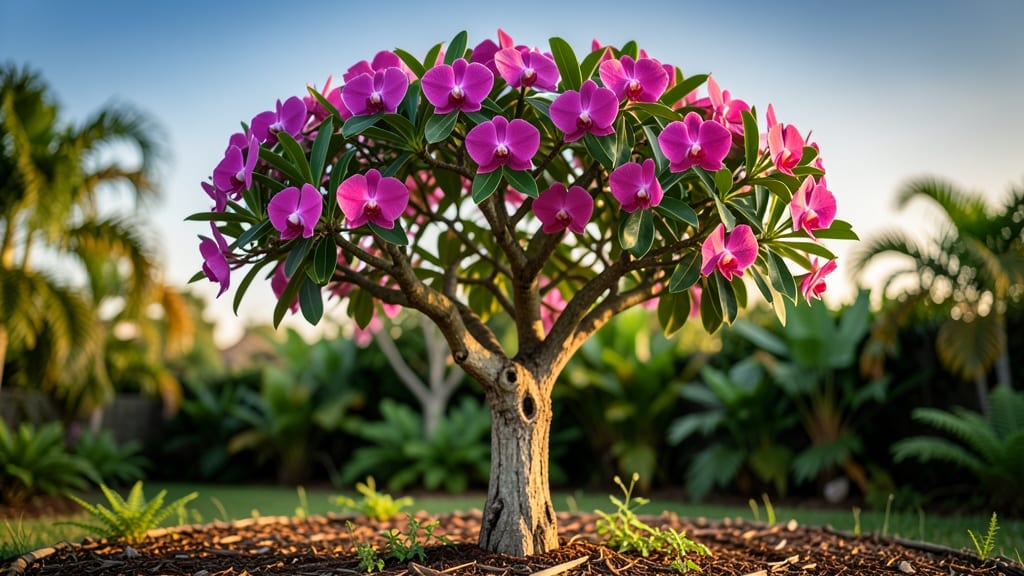
The orchid tree phoenix (Bauhinia blakeana) transforms any space with its fragrant, orchid-like blooms—even in small pots. 🌸 I’ve grown these vibrant trees for years, and the dwarf varieties are perfect for patios, balconies, or sunny windowsills where full-size trees wouldn’t fit.
This tropical beauty thrives in warm climates (zones 10-11) but can also survive indoors with bright light. The key is well-draining soil—think cactus mix or a blend of potting soil and perlite—and moderate watering (let the top inch dry between drinks).
Prune lightly after flowering to encourage bushier growth, and fertilize monthly in spring/summer with a balanced citrus-friendly feed. By winter, you’ll have a compact, evergreen tree bursting with blooms from late fall through spring. The scent alone makes it worth the effort, and the glossy leaves add year-round texture.
Just avoid overwatering—the roots rot faster than you’d think. Whether you’re growing in pots or planting outdoors, this guide covers everything from soil prep to troubleshooting. Let’s get your orchid tree phoenix thriving!
📚 In This Guide
- What you need
- Instructions
- Tips and common mistakes
- Wrapping up and next steps
What you need
- ● Dwarf Orchid Tree Phoenix (Bauhinia blakeana) plant: 1–2 healthy nursery-grown saplings (3–6 inches tall, potted or bare-root)
- ● Pro tip: Look for plants with vibrant pink/purple blooms or buds—signs of vitality! 💡
- ● Well-draining potting mix: 50% cactus/succulent mix
- ● 30% perlite or pumice (for aeration)
- ● 20% orchid bark or coconut coir (for moisture retention)
- ● Quantity: Enough to fill a 5–7 gallon pot (or larger for mature trees)
- ● Container: 1 pot with drainage holes (terracotta or fabric pots preferred)
- ● Size: 5–7 gallons for young plants; upgrade as it grows
- ● Fertilizer: Balanced liquid fertilizer (10-10-10 or 20-20-20, diluted to half-strength)
- ○ Slow-release citrus/orchid fertilizer tablets (optional, for convenience)
- ● Pruning shears: Sharp, sterilized pair for trimming dead blooms or shaping
- ● Spray bottle: For misting (especially in dry climates)
- ● Humidity tray or pebble tray: To maintain 40–60% humidity
- ● Support stake or trellis: If training vines (dwarf varieties may still need light guidance)
- ○ Mulch (optional): Orchid bark chips to retain moisture and mimic tropical conditions
- ● pH testing kit: To monitor soil acidity (ideal range: 6.0–7.0)
- ● A sunny spot: At least 6–8 hours of bright, indirect light daily (south/west-facing windows or grow lights work)
- ● Warmth: Ideal temps: 65–85°F (18–29°C). Avoid drafts or cold windowsills!
- ● Watering routine: Commit to checking soil moisture weekly (or daily in hot weather)
- ● Patience: Dwarf varieties grow slowly—blooms may take 1–2 years to appear!
Step-by-Step guide to growing a compact orchid tree phoenix
Here’s how to nurture a vibrant, space-saving citrus tree that thrives indoors year-round.
🌱 Step 1: Select and Prepare the Right Container
Choose a 12-15 inch diameter pot with drainage holes—orchid trees hate soggy roots. I prefer terracotta because it breathes and helps prevent overwatering. Fill the bottom 2 inches with well-draining cactus/succulent mix to encourage airflow at the roots. This layer prevents rot while mimicking the tree’s natural rocky habitat.
Next, add a 2-inch layer of perlite or pumice on top of the drainage mix. This ensures excess water escapes quickly, which is critical since these trees are drought-tolerant once established. Avoid garden soil—it compacts and suffocates roots. The goal here is fast-draining, aerated soil that mimics their desert origins.
☀️ Step 2: Plant and Position for Optimal Light
Gently remove the orchid tree from its nursery pot and loosen the roots if they’re circling. Place it in the prepared container, then backfill with cactus/succulent mix until the root ball is covered but the base of the trunk remains exposed. This prevents rot while allowing the roots to breathe.
Position your tree within 3-6 feet of a south- or west-facing window for 6+ hours of direct sunlight daily. If natural light is limited, supplement with a full-spectrum LED grow light kept 12-18 inches away for 12-14 hours per day. Without enough light, leaves yellow and growth stalls. You’ll know it’s getting enough when new leaves stay bright green and compact.
💧 Step 3: Water with Precision and Patience
Water deeply only when the top 2-3 inches of soil feel completely dry—usually every 10-14 days in winter and every 7-10 days in summer. Stick your finger in the soil: if it’s dry past your first knuckle, it’s time. Overwatering is the #1 killer of orchid trees, so never let water pool in the saucer—empty it after 10 minutes.
When watering, aim for the soil, not the leaves. Wet foliage encourages fungal issues. After watering, wait until the soil surface dries before adding more. You’ll notice the tree’s thick, waxy leaves plump up when hydrated—this is your visual cue that moisture is balanced.
✂️ Step 4: Prune and Encourage Bushier Growth
Trim leggy stems in early spring to encourage branching. Cut just above a leaf node at a 45-degree angle to prevent water from pooling. This forces the tree to send out new shoots, creating a fuller shape. Avoid heavy pruning—just light shaping keeps the dwarf variety compact without stressing the plant.
Remove any yellow or brown leaves immediately with clean, sharp scissors. Diseased or dead foliage spreads problems fast. If you see white, cottony growth (mealybugs) or sticky residue (scale), wipe leaves with a 70% isopropyl alcohol solution and isolate the tree until pests are gone.
🪴 Step 5: Fertilize and Maintain Year-Round Health
Use a balanced citrus fertilizer (6-6-6 or 8-8-8) diluted to half-strength every 4-6 weeks during spring and summer. In fall and winter, reduce to once every 8-10 weeks—the tree enters a natural rest period. Always water before fertilizing to avoid root burn. You’ll see shiny new leaves and faster growth as a response to consistent feeding.
Rotate the pot quarter-turn weekly so the tree grows evenly toward the light. Dust leaves every 2-3 months with a damp cloth—orchid trees breathe through their leaves, and dust blocks sunlight. A healthy tree has thick, glossy leaves and occasional small white flowers even indoors.
Tips & tricks for perfect orchid tree phoenix care
These pro insights will help you coax the most vibrant, compact growth from your dwarf citrus tree—without the guesswork.
Soil Layering Secret: The 2-inch drainage layer in Step 1 isn't just about preventing rot—it's about creating an oxygen-rich zone at the roots. For extra insurance, I mix in 10% coarse sand into the cactus/succulent mix. This mimics the tree's natural rocky substrate and prevents compaction over time. The key is maintaining that fast-drainage characteristic; if water sits more than 10 minutes after watering, your mix needs more perlite.
Light Optimization Hack: That 6+ hours of direct sunlight in Step 2 can be tricky in apartments. I've found that placing the tree on a south-facing windowsill with a reflective surface (like a mirror or white wall) behind it can effectively double the light exposure. For grow lights, position the LED 12 inches away initially, then adjust based on leaf color—if new growth turns pale, move it closer.
Watering Confidence Builder: The finger test in Step 3 works, but here's how to make it foolproof: Use a wooden chopstick inserted to the 2-inch depth—when it comes out dry, it's time to water. This gives you a consistent reference point rather than relying on your finger's moisture perception. And remember, the 10-minute saucer rule is non-negotiable; orchid trees in soggy saucers develop root rot within weeks.
Pruning Precision: When shaping in early spring (Step 4), look for the smallest leaf nodes—these are where new growth will emerge. Cutting at a 45-degree angle isn't just about aesthetics; it prevents water from pooling at the cut site. For stubborn leggy stems, make the cut just above a node where you want new growth to sprout, then immediately water to reduce shock. The dwarf variety responds beautifully to this light pruning—you'll see bushier growth within 4-6 weeks.
Pro Tips for Orchid Tree Phoenix
- These pro insights will help you coax the most vibrant, compact growth from your dwarf citrus tree—without the guesswork.
- Soil Layering Secret: The 2-inch drainage layer in Step 1 isn't just about preventing rot—it's about creating an oxygen-rich zone at the roots.
- Light Optimization Hack: That 6+ hours of direct sunlight in Step 2 can be tricky in apartments.
Frequently asked questions
Got questions about growing your Orchid Tree Phoenix (Bauhinia blakeana) in compact spaces? We’ve got answers!
This dwarf citrus beauty is stunning, but it does need a little extra TLC—especially if you’re dreaming of year-round blooms in a small garden or container. Here are the most common queries from fellow plant parents.
How fast does the Orchid Tree Phoenix grow?
The dwarf variety grows at a moderate pace—expect about 6 to 12 inches per year under ideal conditions. With proper pruning and care, you can keep it compact (3–5 feet tall) even in containers. Pro tip: If growth stalls, check sunlight (it loves bright, indirect light) and fertilize lightly in spring/summer!
Can the Orchid Tree Phoenix survive winter?
This tropical beauty is not frost-hardy—it thrives in USDA Zones 10–12. In colder climates, grow it in containers and bring it indoors before temps drop below 40°F (4°C). A sunny windowsill or greenhouse works great! Watch for: Yellowing leaves = time to move it to warmth.
Why isn’t my Orchid Tree Phoenix blooming?
Blooms love consistency! Common culprits:
- Not enough light: Move it to a south- or west-facing spot (or use grow lights).
- Overwatering: Let the top 1–2 inches of soil dry between waterings.
- Lack of dormancy: Reduce water slightly in winter to mimic its natural rest period.
What’s the best container size for a dwarf Orchid Tree Phoenix?
Start with a 10–12 inch pot for young plants, then upgrade to 14–16 inches as it matures. Ensure drainage holes are a must—root rot is a silent killer! Use a well-draining mix (cactus/succulent blend + perlite). Repot every 2–3 years to refresh nutrients.
How do I deal with pests on my Orchid Tree Phoenix?
Spider mites and aphids are the usual troublemakers. Act fast:
- Neem oil spray (diluted) for soft-bodied pests.
- Hose off stubborn aphids with water.
- Isolate the plant if infested to prevent spread.
Wrapping up and next steps
The Orchid Tree Phoenix (Baileya multiradiata) is a stunning, low-maintenance dwarf variety that brings year-round citrusy charm to your space—whether in pots or garden beds! 🌿 With the right care, you’ll enjoy its vibrant blooms and silvery foliage for seasons to come.
Ready to level up your green thumb? Start by planting your Orchid Tree Phoenix in well-draining soil, giving it bright light, and keeping it lightly watered. Watch it thrive, and soon, you’ll be sharing its beauty with neighbors—or even gifting cuttings to fellow plant lovers!