
Pruning
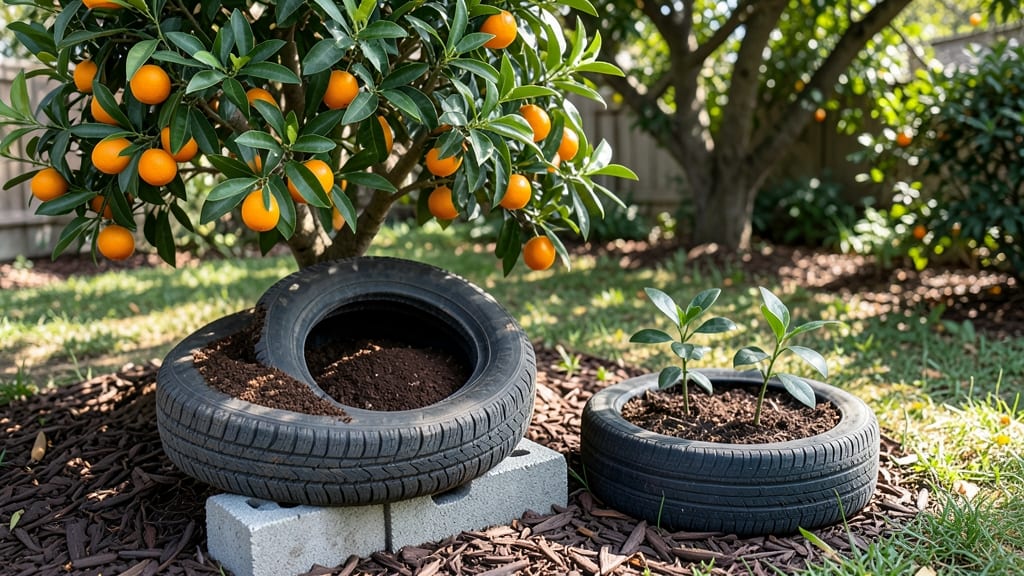
Turn old tires into thriving orange trees that fit anywhere. 🌱 I’ve grown citrus in repurposed tires for years—no yard needed—and the results are surprisingly lush, even in small spaces. The key is understanding how to prune and maintain them year-round while keeping the roots happy in their confined home.
These tire planters solve two problems at once: they give your orange tree perfect drainage (no soggy roots!) and turn industrial waste into rustic charm. A single tire holds enough soil for a dwarf variety, and you can stack them vertically to save space.
The pruning schedule changes with the seasons—light cuts in summer to encourage fruit, harder trims in winter to control growth.
By spring, you’ll have a tree that produces fruit reliably and fits neatly on a balcony or patio. The citrus scent alone makes it worth the effort, but the harvest? That’s the real reward. Plus, you’ll avoid the common mistake of over-pruning, which stresses citrus trees and stunts their growth.
Works for Meyer lemons, Calamondins, or even dwarf oranges—just adjust the tire size to the root ball. Here’s how to set it up without killing your tree in the process.
📚 In This Guide
- What you need
- Instructions
- Tips and common mistakes
- Wrapping up and next steps
What you need
- ● Pruning shears – Bypass pruners (sharp, clean, and capable of cutting up to ¼-inch thick branches). Quantity: 1 pair.
- ● Loppers – For thicker branches (½-inch to 1½-inch diameter). Quantity: 1 pair.
- ● Hand pruners (felco or similar) – For precision cuts on smaller branches. Quantity: 1 pair.
- ● Disinfectant (70% isopropyl alcohol or rubbing alcohol) – To sterilize tools between cuts and prevent disease spread. Quantity: Small bottle.
- ● Garden gloves – Heavy-duty, cut-resistant gloves (thorns are no joke!). Quantity: 1 pair.
- ○ Pruning sealant (optional but recommended) – Helps larger cuts heal faster and reduces sap oozing. Quantity: Small tube.
- ● 5-gallon bucket or trash bag – For collecting pruned branches. Quantity: 1.
- ● Ladder or step stool – If your orange tree in a tire exceeds 6 feet in height. Quantity: 1 (safety first!).
- ● Sharpie or permanent marker – To label branches for future reference.
- ● Hose with nozzle – For rinsing tools and cleaning sap off branches.
- ● Compost bin – To recycle pruned branches into nutrient-rich compost.
- ● Safety glasses – Protects eyes from debris when cutting.
- ● Extension cord & string lights – For evening pruning sessions (because why not make it cozy?).
Step-by-step guide to pruning your orange tree tire
Keep your citrus tree thriving in limited space with this simple, seasonal pruning routine.
✂️ Step 1: Assess and Plan Your Pruning
Start by examining your orange tree tire for dead, diseased, or crossing branches. I always prune in late winter or early spring before new growth begins—this gives the tree energy to recover before summer heat. Grab your pruning shears and look for branches that are brown, brittle, or rubbing against others. You'll also want to remove any suckers growing from the base or trunk.
Mark your cuts with a piece of chalk if needed—this helps visualize the shape you're aiming for. Remember, citrus trees naturally grow in a rounded shape, so aim to maintain that silhouette. Never remove more than 25% of the tree's canopy at once, or you'll stress the plant. I like to work in sections, starting with the top and moving downward.
🌿 Step 2: Remove Dead and Problematic Growth
Begin by cutting out any dead branches first—they're easy to spot as they're dry, leafless, and often snap when bent. Make your cuts just outside the branch collar, the swollen area where the branch meets the trunk. This ensures the tree seals the wound properly. For diseased branches, sterilize your shears with rubbing alcohol between cuts to prevent spreading any pathogens.
Next, tackle crossing branches where two stems grow toward each other. Remove the smaller or weaker branch at its base. You'll notice the tree's natural growth pattern—citrus trees grow in a way that creates an open center. Prune to maintain this airflow, which prevents fungal issues. If you see water sprouts (fast-growing, upright shoots), cut them off completely—they drain the tree's energy.
✂️ Step 3: Shape for Optimal Fruit Production
Now focus on shaping the tree to encourage fruit production. Citrus trees bear fruit on new wood, so you want to maintain a balance of old and young growth. Start by thinning out the interior branches to let light penetrate to the center. This is where most fruit develops, and without light, branches become weak and produce fewer oranges.
Look for branches growing inward and cut them back to an outward-facing bud. You'll see the tree's natural structure emerge as you work. For horizontal branches, leave about 12-18 inches of growth from the trunk. Vertical branches can be pruned slightly shorter. The goal is to create a balanced, open canopy that catches sunlight from all directions. This ensures even ripening and better air circulation.
☀️ Step 4: Finish with Light Trimming and Cleanup
After addressing the major branches, do a final pass to tidy up the tree. Trim any overly long shoots that are growing straight up—these rarely produce fruit and take energy from the rest of the tree. Cut them back to a lateral branch or bud that's growing outward. This encourages bushier growth and more fruit production.
Once you're finished pruning, clean up all the debris from around the base of the tree. This prevents pests and diseases from taking hold. I always sterilize my tools again with rubbing alcohol before putting them away. Finally, give the tree a good watering to help it recover from the pruning stress. You'll see new growth within a few weeks—that's your signal everything is working!
Tips & tricks for perfect orange tree tire pruning
Here's what nobody tells you about keeping your citrus thriving in tight spaces.
Timing Secret: Late winter or early spring is your golden window for pruning—this gives your tree's energy reserves time to rebuild before summer's heat stress. I've learned the hard way that pruning during hot months can shock the tree, so mark your calendar for February or March. If you missed this window, you can do light maintenance pruning in early fall, but avoid heavy cuts.
Tool Technique: Sterilize your pruning shears between cuts with rubbing alcohol, especially when dealing with diseased branches. I keep a small bottle of 70% isopropyl alcohol in my toolkit—it's the best way to prevent spreading pathogens. Also, make cuts just outside the branch collar (that swollen area where branches meet the trunk) to help the tree heal properly. This small detail makes all the difference in recovery time.
Visual Cues: When shaping your tree in Step 3, look for branches growing inward—they're the ones creating shade in the center. Cut these back to outward-facing buds to create that open canopy structure. For horizontal branches, aim to leave about 12-18 inches from the trunk. You'll notice the tree naturally develops a rounded shape when you follow this guideline. Think of it like sculpting—you're guiding the tree's natural form rather than forcing it.
Recovery Strategy: After your final cleanup, give your tree a thorough watering to help it recover from pruning stress. I like to add a balanced citrus fertilizer to the water at this stage—it gives the tree a little boost as it starts producing new growth. You should see fresh green shoots appearing within 3-4 weeks if everything went well. This is your sign the pruning was successful!
Pro Tips for Orange Tree Tire
- Here's what nobody tells you about keeping your citrus thriving in tight spaces.
- Timing Secret: Late winter or early spring is your golden window for pruning—this gives your tree's energy reserves time to rebuild before summer's heat stress.
- Tool Technique: Sterilize your pruning shears between cuts with rubbing alcohol, especially when dealing with diseased branches.
Frequently asked questions
Got questions about pruning your orange tree tire?
You’re not alone! Here are answers to the most common concerns—from timing to troubleshooting—so you can keep your citrus thriving in small spaces.
When is the best time to prune an orange tree tire?
The ideal time is late winter or early spring (just before new growth starts). However, light pruning can happen year-round to remove dead branches or overgrowth. Avoid heavy pruning in fall, as it can stress the tree before winter.
How much can I prune without harming the tree?
Never remove more than 25-30% of the tree’s foliage in one session. Focus on thinning out dense areas, crossing branches, or suckers (shoots growing from the trunk). Over-pruning weakens the tree and reduces fruit production.
Can I use regular pruning shears, or do I need special tools?
Standard bypass pruners work for small branches, but for thicker limbs (over ½ inch), use loppers or a pruning saw. Sterilize tools with rubbing alcohol between cuts to prevent disease. A sharp tool ensures clean cuts—no jagged edges!
Will pruning affect my orange tree’s fruit production?
Pruning improves fruit quality! Removing dense growth increases airflow and sunlight, leading to sweeter oranges. Just avoid heavy pruning during blooming season (spring), as it may reduce fruit set. Balance is key!
What if my orange tree tire stops growing after pruning?
If growth stalls, check for underwatering, poor soil, or pests. Ensure it’s in full sun (6+ hours/day) and well-draining soil. Apply a balanced citrus fertilizer in early spring. If issues persist, inspect for root rot or fungal diseases.
Are there alternatives to pruning for small-space control?
Yes! Try topiary shaping (training into a specific form) or container pruning (trimming to fit pots). For aggressive growth, consider root pruning (gently trimming roots in spring) to manage size without sacrificing health.
Wrapping up and next steps
Mastering orange tree tire pruning is your secret weapon for thriving citrus in small spaces! 🌱 By staying consistent with seasonal trims, you’ll encourage lush growth, better fruit production, and a healthier tree—all while keeping your space tidy.
Whether you’re a beginner or a seasoned gardener, the key is patience and precision.
Ready to transform your space? Start small—pick one pruning session this week and observe the difference over time. Your orange tree (and future harvests) will thank you! 🍊✨