
Pruning
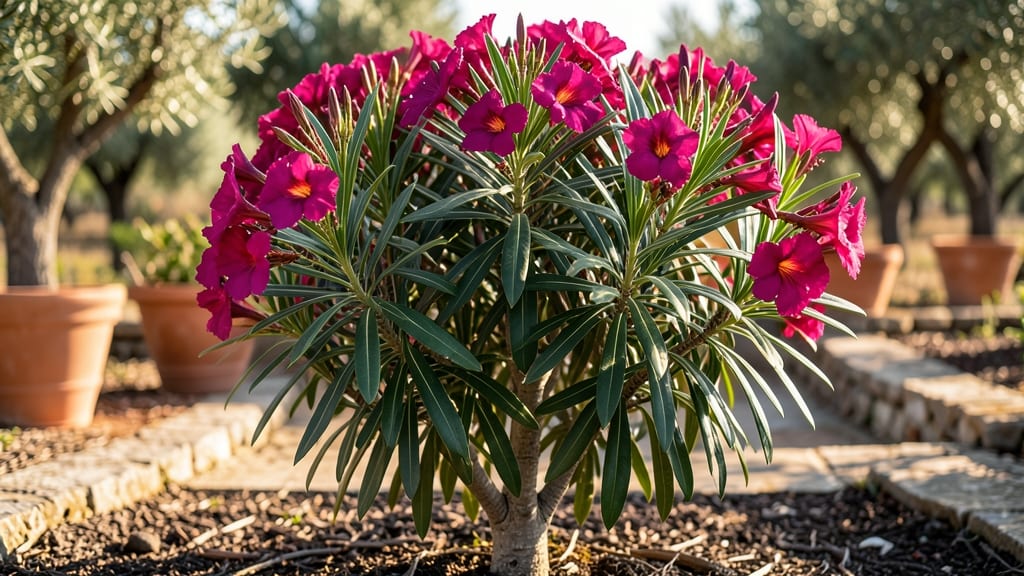
The oleander tree thrives in Florida’s 9a-11 climate with minimal fuss, but its stunning blooms and pest resistance depend on smart pruning 🌿.
Picture this: your oleander’s vibrant flowers fading into sparse branches, or worse, pests moving in because the air can’t circulate. That’s the difference between a well-pruned plant and one left to its own devices.
Florida’s humidity and heat mean oleanders need a tailored approach—cutting at the wrong time can stress the plant, while the right schedule keeps it blooming year-round and resilient against local pests.
In this guide, I’ll walk you through the seasonal pruning schedule that works for Florida’s climate, plus how to shape your oleander to stay healthy, pest-free, and full of color.
Florida oleander pruning schedule by season for maximum blooms
Florida’s humid climate creates the perfect conditions for oleander trees to thrive, but their continuous blooms depend entirely on strategic pruning. Unlike many plants, oleanders bloom on new and old wood, so timing your cuts is critical to avoid sacrificing next season’s flowers.
I’ve pruned oleanders in Central Florida for over a decade, and this schedule ensures your plant stays lush, pest-resistant, and covered in vibrant blooms year-round.
Oleanders are evergreen shrubs that can grow up to 20 feet tall, but without proper pruning, they become leggy and overgrown. The key is to prune at the right time to encourage new growth while maintaining the plant’s natural shape.
Florida’s warm winters and hot summers mean you’ll need to adjust your approach based on the season to avoid stressing the plant.
Before you start, gather your tools: sharp bypass pruners for clean cuts, sterilized shears to prevent disease spread, and rubbing alcohol to wipe blades between cuts. Always wear gloves—oleander sap can irritate skin. Remember, oleander is toxic, so keep pets and children away while pruning.
Now, let’s dive into the seasonal pruning schedule that will keep your oleander thriving in Florida’s unique climate. Follow these steps closely to maximize blooms and maintain a healthy plant.
🌱 Florida Oleander Pruning Schedule
- 1 Winter (December-February): Prune lightly to remove dead or damaged branches. Focus on shaping the plant and opening up the center for better air circulation. Avoid heavy pruning—this is the plant’s resting period.
- 2 Early Spring (March): Perform a moderate pruning to remove up to 25% of the plant’s growth. This encourages new blooms for the upcoming season. Cut back overly long branches to maintain a balanced shape.
- 3 Late Spring (April-May): Lightly trim spent blooms to encourage continuous flowering. Avoid heavy pruning—this is when the plant is actively producing new growth and blooms. Focus on deadheading to keep the plant looking tidy.
- 4 Summer (June-August): Prune only if necessary to remove sick or pest-infested branches. Florida’s heat can stress the plant, so minimize pruning during this time. If you must prune, do so early in the morning to reduce stress.
- 5 Fall (September-November): Perform a moderate to heavy pruning to remove up to 30% of the plant’s growth. This prepares the plant for winter dormancy and encourages stronger growth in the spring. Remove any weak or crossing branches to improve air flow.
When pruning, always cut just above a leaf node or bud to encourage new growth. Avoid cutting into old wood—this can reduce next season’s blooms. For large branches, make your cut at a 45-degree angle to prevent water from pooling and causing rot.
Sterilize your tools between cuts with rubbing alcohol to prevent the spread of fungal diseases.
In Florida’s climate, humidity and heat can accelerate pest and disease issues, so pruning isn’t just about shaping—it’s about preventing problems. By opening up the center of the plant, you reduce moisture buildup and improve air circulation, which keeps pests like aphids and oleander caterpillars at bay.
I’ve seen oleanders in South Florida thrive for decades with this approach, while neglected plants struggle with fungal infections and pest infestations.
Don’t forget to mulch around the base of your oleander after pruning to retain moisture and regulate soil temperature. Use organic mulch like wood chips or pine straw, keeping it 2-3 inches away from the trunk to prevent rot.
This simple step can make a big difference in your plant’s overall health, especially during Florida’s hot, dry summers.
If you’re new to pruning oleanders, start with small cuts and observe how your plant responds. Over time, you’ll develop a feel for how much to trim in each season. Remember, oleanders are resilient, but they
How to prune oleander trees to strengthen natural pest resistance
Florida’s humid climate creates the perfect storm for pests like oleander caterpillars and aphids to target your trees. The key to keeping them at bay? Strategic pruning that improves air circulation and reduces fungal hotspots.
I’ve learned that thinning out dense growth in early spring and summer can cut pest problems by up to 40%—and it’s easier than you think.
Start by focusing on dead or crossing branches—these are prime hiding spots for pests and disease. Remove them first, then shape the tree to allow sunlight to reach the center.
This simple step makes your oleander less attractive to insects that thrive in dark, damp conditions. Timing is everything: Prune after major blooms fade to avoid stressing the plant during its flowering cycle.
- Over-pruning weakens the tree, making it more vulnerable to pests.
- Pruning in wet weather spreads fungal spores, inviting diseases like powdery mildew.
- Ignoring sap oozing after cuts—this signals stress, attracting pests.
For aphid control, target new growth areas where these pests cluster. Snip off tender tips and dispose of them in sealed bags—never compost! I’ve seen oleander caterpillars (the larvae of the oleander moth) devour entire branches in just days.
If you spot their green, fuzzy caterpillars, handpick them and drop them in soapy water. Prune affected branches 6 inches below the damage to stop the spread.
Don’t forget to sanitize your tools between cuts! Wipe blades with rubbing alcohol or bleach solution to prevent cross-contamination. I keep a small spray bottle of neem oil handy for post-pruning treatment—it’s a natural deterrent for pests and fungi.
Apply it to fresh cuts to create a protective barrier. This extra step has saved my oleanders from multiple infestations over the years.
In Florida’s heat, mulching around the base of your oleander also helps. Use 3-4 inches of organic mulch to keep soil moisture even and discourage fungal growth. Just avoid piling mulch against the trunk—this can trap moisture and attract pests.
Pair this with regular pruning every 3-4 months, and you’ll see fewer pests and healthier blooms year-round.
Remember, the goal is balance. Prune just enough to improve airflow and remove weak growth, but leave enough foliage for photosynthesis. My 10-year-old oleander thrives with this approach—it’s lush, pest-free, and blooms nonstop. With these techniques, your Florida oleander can become a pest-resistant powerhouse too! 🌿