
Pruning
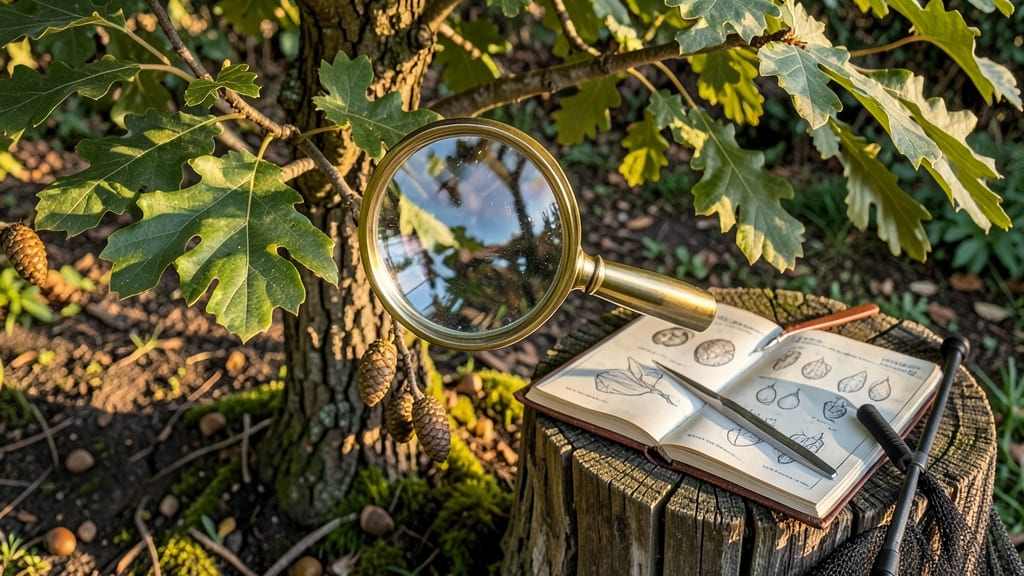
Those lumpy, bumpy growths on your oak branches aren’t just weird—they’re oak tree galls, and they’re usually harmless but can look alarming. 🌿 I’ve spent years studying these oddities, and while they might make your tree look like it’s covered in warts, they’re rarely a sign of serious trouble.
The real question is whether to leave them alone or prune them off carefully.
Galls form when insects—like wasps or mites—or other organisms trigger a growth response in the tree. Common types include oak apple galls (round, fuzzy) and knopper galls (spiky, cone-shaped). Most galls don’t hurt the tree, but if they’re large, numerous, or weakening branches, pruning them out can help.
The key is doing it right to avoid damaging the wood or inviting pests.
With the right tools—a sharp pruner, rubbing alcohol for sterilization, and a little patience—you can remove galls without harming the tree. I’ll walk you through the steps, including how to identify safe cuts and when to leave them be. The goal? A cleaner-looking tree without stressing it out.
Whether you’re dealing with a single gall or a branch full of them, the approach stays the same: clean cuts, proper timing, and knowing when to step back. Let’s get your oak looking its best without overdoing it—because sometimes, nature’s quirks are just part of the charm.
📚 In This Guide
- What you need
- Instructions
- Tips and common mistakes
- Wrapping up and next steps
What you need
- ● Pruning shears: Bypass pruners (for small galls, 6–8 inches) or anvil pruners (for thicker branches). Choose sharp, sterilized tools to prevent disease spread.
- ● Loppers: 18–24-inch bypass loppers for branches up to 1.5 inches thick.
- ● Pruning saw: Curved-tooth handsaw (for branches 2+ inches thick). A folding pruning saw is ideal for hard-to-reach spots.
- ● Gloves: Heavy-duty, cut-resistant (e.g., mechanics’ gloves) to protect against splinters and wasp stings.
- ● Disinfectant: 70% isopropyl alcohol or a 10% bleach solution (1 part bleach to 9 parts water) to sterilize tools between cuts.
- ● Rubbing alcohol or hand sanitizer: For cleaning hands after handling galls (some contain irritants).
- ● Heavy-duty trash bags: 2–3 gallon-sized for collecting galls and debris.
- ● Ladder or extension pole: Sturdy, non-slip (e.g., aluminum extension ladder) for high branches. Safety first!
- ● Work boots or closed-toe shoes: To protect feet from falling debris.
- ● Tree wound dressing: Pruning sealant (controversial but useful for large cuts—only if needed).
- ● Headlamp or flashlight: For early morning/evening pruning.
- ● Knee pads: If you’ll be working on the ground for extended periods.
- ● Wasp spray: Non-aerosol (e.g., dusting powder) if galls are active with wasps.
- ● Notebook & pen: To sketch the tree’s structure before pruning (helps plan cuts!).
Step-by-Step guide to safely prune oak tree galls
Removing oak tree galls without damaging the wood takes patience and precision—here's how to do it right.
🌿 Step 1: Identify and Assess the Galls
First, examine the galls closely. Oak galls are abnormal growths caused by insects, fungi, or mites, and they come in various shapes—round, spiny, or even leaf-like. Use a magnifying glass if needed to spot tiny openings where pests might still be hiding. Healthy galls are firm and dry; mushy or oozing galls could signal infection and should be removed immediately.
Check the surrounding bark for signs of stress like cracks or discoloration. If the gall is attached to a small branch, note whether it's growing actively (new growth) or dormant. This helps determine if the gall is still a threat to the tree's health. I always mark the location with a small piece of tape before cutting—it keeps me from accidentally removing too much wood later.
✂️ Step 2: Sterilize Tools and Prepare for Pruning
Clean your pruning shears or saw with rubbing alcohol to prevent spreading disease between cuts. I use a 70% isopropyl solution and wipe down blades thoroughly before and after each cut. A sharp tool makes cleaner cuts, which heal faster and reduce the risk of infection. If the gall is large or on a thick branch, switch to a pruning saw for better control.
Gather a bucket of water and a small brush to clean away sawdust and debris as you work. This keeps the work area tidy and helps you spot any hidden pests or damage beneath the gall. Wear gloves—some galls can irritate skin, and you don’t want sap or resin sticking to your hands.
🪴 Step 3: Cut Out the Gall Without Damaging the Branch
Make your first cut about 1-2 inches below the gall on the underside of the branch. Angle the cut slightly upward to create a natural water-shedding surface. This prevents water from pooling and causing rot. For smaller galls, a single clean cut is all you need—just remove the entire growth and any attached bark.
If the gall is large or deeply embedded, make a second cut about 1-2 inches above it to remove the entire section. Avoid cutting into healthy wood unless necessary—every inch of branch you remove weakens the tree. After cutting, inspect the wound for signs of decay or pests. If the wood looks dark or spongy, you may need to make a larger cut to remove the affected area entirely.
💧 Step 4: Seal the Wound to Promote Healing
Once the gall is removed, apply a tree wound sealant to the cut surface. I use a high-quality, latex-based sealant that dries clear and allows the wound to heal naturally. Avoid thick, tar-like products—they trap moisture and can cause more harm than good. Apply a thin layer, just enough to cover the wound without sealing it completely.
Monitor the wound over the next few weeks. A properly sealed cut should start to callus over within 4-6 weeks, turning darker and rougher as new growth forms. If the wound oozes sap or appears wet, it might need re-sealing. Keep an eye out for new galls forming nearby—if they do, repeat the process immediately to prevent further spread.
☀️ Step 5: Maintain Tree Health Post-Pruning
After removing the galls, focus on keeping your oak tree healthy. Water deeply but infrequently—oaks are drought-tolerant, but consistent moisture helps the tree recover. Avoid over-fertilizing, as this can stress the tree and make it more susceptible to pests and diseases. Instead, focus on mulching around the base with 2-3 inches of organic mulch to retain moisture and regulate soil temperature.
Check the tree regularly for new galls or signs of stress, like yellowing leaves or wilting branches. If you notice any, act quickly—early intervention is key to keeping your oak tree strong. With proper care, most oak trees recover well from gall removal, and the wounds will heal completely within a season or two.
Tips & tricks for pruning oak tree galls safely
Pruning oak tree galls without harming the tree requires attention to detail—here are my go-to tricks to make the process smoother and more effective.
Tool Selection: For small galls, a sharp pair of pruning shears works perfectly, but never use dull tools—they tear wood instead of making clean cuts. I keep a small pruning saw on hand for larger galls or thicker branches. The key is to use the right tool for the job to minimize stress on the tree. A clean cut heals faster and looks better too.
Visual Inspection Tip: In Step 1, when assessing galls, look for tiny openings where pests might still be hiding. A magnifying glass helps spot these, but even without one, healthy galls feel firm to the touch. If you notice sap oozing or soft spots, that's your cue to remove it immediately—those are signs of infection spreading. I always check the underside of the gall first, as that's where pests often hide.
Cutting Technique: The 1-2 inch rule in Step 3 is critical—cutting too close to the gall leaves behind potential infection sites, while cutting too far weakens the branch. I make my first cut slightly upward to create a natural water-shedding shape. For stubborn galls, I'll make a second cut above it to remove the entire section cleanly. Always inspect the wound afterward—if it looks dark or spongy, you'll need to make a larger cut to remove the affected area completely.
Healing Monitoring: After sealing the wound in Step 4, mark the location with a small piece of tape so you can easily monitor progress. I check my trees every two weeks during the growing season. A properly healing wound should start callusing within 4-6 weeks, turning darker and rougher. If you see sap oozing or the wound staying wet, it's time to reapply sealant—this prevents rot and keeps pests out.
Pro Tips for Oak Tree Galls On Branches
- Pruning oak tree galls without harming the tree requires attention to detail—here are my go-to tricks to make the process smoother and more effective.
- Tool Selection: For small galls, a sharp pair of pruning shears works perfectly, but never use dull tools—they tear wood instead of making clean cuts.
- Visual Inspection Tip: In Step 1, when assessing galls, look for tiny openings where pests might still be hiding.
Frequently asked questions
Got questions about oak tree galls on branches?
You’re not alone! Here are answers to the most common concerns—so you can prune with confidence and keep your tree thriving.
Are oak tree galls harmful to my tree?
Most oak galls (like those caused by wasps or fungi) are not harmful to the tree’s health. They’re usually just a nuisance—though severe infestations can weaken branches over time. Focus on removing them if they’re unsightly or structurally risky.
When is the best time to prune galls off oak branches?
Prune galls in late winter or early spring (before new growth starts) to avoid stressing the tree. If galls appear mid-season, remove them immediately to prevent spread. Never prune during dormancy (winter) unless necessary—oaks are vulnerable to disease then.
How do I remove galls without damaging the branch?
Use sterilized pruners to cut just outside the gall’s base (about ¼ inch above). Avoid tearing bark—clean cuts heal better. For large galls, make a shallow notch first to guide your cut. Disinfect tools between cuts to prevent fungal spread.
Will pruning galls make them come back?
Yes, galls often return if the underlying cause (like wasp larvae or fungal spores) isn’t addressed. Monitor the tree and re-prune as needed. For persistent issues, consult an arborist—they may recommend targeted treatments (e.g., horticultural oil for pests).
Can I use the wood from pruned oak branches with galls?
Generally, yes—galls don’t make oak wood unsafe for projects like firewood or crafts. Just avoid branches with rot or large wounds, as these can harbor pests. If using for furniture or carving, sand the wood smooth to remove gall residues.
Wrapping up and next steps
Oak tree galls on branches may seem puzzling at first, but with the right knowledge and tools, you can safely prune them without harming your tree. Remember, patience and precision are key—always prioritize the health of your oak while addressing the galls.
Whether you’re dealing with Andricus quercusfolii or other gall-forming insects, your proactive approach will keep your tree thriving.
Ready to take action? Grab your pruners and start with the smallest galls first! If you’re unsure, consult a local arborist for expert guidance. Your oak tree will thank you for the care—one cut at a time. 🌳✂️