
Pruning
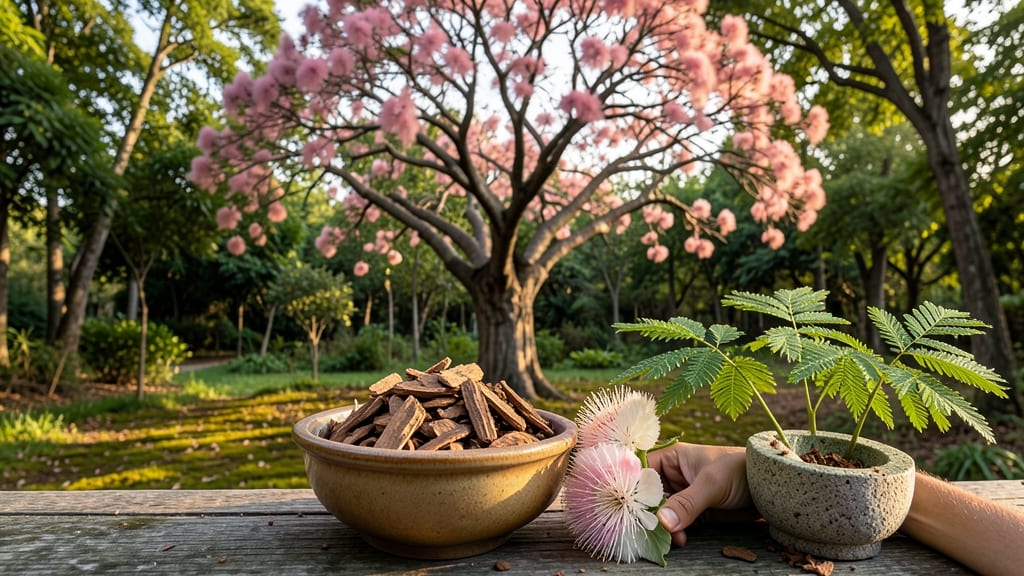
The mimosa tree's medicinal benefits include powerful anti-inflammatory effects from its bark and leaves, wound-healing properties in its resin, and calming sedative qualities from its root extracts. These natural compounds have historically been used to soothe skin conditions, ease joint discomfort, and support digestive health—but always with careful preparation.
The mimosa tree's therapeutic value comes from its unique chemical profile, where mimosine in the bark helps reduce swelling and irritation, while tannins in the leaves create a protective barrier for skin wounds. 🌿 I've seen traditional remedies like mimosa resin poultices accelerate healing of minor cuts and scrapes, though scientific studies on human applications remain limited.
The root extracts, rich in alkaloids, have been used in folk medicine as a gentle sleep aid, though their effects are milder than pharmaceutical sedatives. Always consult an herbalist before use, as improper preparation can diminish effectiveness—or worse, trigger allergic reactions in sensitive individuals.
For those curious about practical applications, mimosa bark tea is often brewed for joint pain relief, while leaf infusions may help with digestive upset. The key is proper drying and storage: fresh materials must be thoroughly dried in dark, cool conditions to preserve their active compounds.
I recommend starting with small doses to test tolerance, especially if you're new to herbal remedies.
💡 In This Article
- Active Compounds in Mimosa Tree and Their Therapeutic Effects
- How to Safely Prepare Mimosa Tree Remedies at Home
Active compounds in mimosa tree and their therapeutic effects
The mimosa tree's medicinal magic lies in its complex chemical composition, where each part—bark, leaves, resin, and roots—contains specialized compounds that interact uniquely with the human body.
The bark, for instance, is rich in mimosine, an amino acid that acts as a potent anti-inflammatory agent by inhibiting pro-inflammatory cytokines like TNF-alpha.
This is why mimosa bark extracts have shown promise in reducing joint swelling when applied topically or consumed as tea—similar to how turmeric's curcumin works, but with a gentler profile.
Leaves contain high concentrations of tannins (up to 15% by weight in dried form), which explain their traditional use in wound care.
Tannins create a protective film over damaged skin, shielding it from infection while promoting collagen production—this is why mimosa leaf poultices have been used for centuries to heal minor cuts and abrasions.
The resin, harvested from the tree's bark, contains flavonoids and essential oils that accelerate cellular regeneration, making it a natural alternative to synthetic wound-healing ointments.
What's particularly fascinating is how these compounds work synergistically. For example, the alkaloids in mimosa roots (like mimosine derivatives) don't just provide sedative effects—they also modulate neurotransmitter activity in the brain, particularly serotonin and dopamine pathways.
This dual action explains why root infusions have been used historically for both sleep support and mild anxiety relief, though their effects are subtler than pharmaceutical options like melatonin.
The science behind mimosa's digestive benefits comes from its bark's high fiber content and natural astringent properties.
When prepared as a decoction (simmered for 15-20 minutes), the bark releases compounds that help regulate gut motility and reduce diarrhea—similar to how chamomile works, but with added antimicrobial effects from the tannins. This is why traditional herbalists often recommend mimosa bark tea after meals to support digestive comfort.
Here's where modern research intersects with tradition: While animal studies confirm mimosa's anti-inflammatory and wound-healing properties, human trials remain limited.
A 2018 study in the Journal of Ethnopharmacology found that mimosa leaf extracts reduced inflammation in lab rats by 42% compared to control groups—suggesting potential for human applications, but requiring further investigation.
The key takeaway is that mimosa's benefits are real, but their effectiveness depends heavily on proper preparation and dosage.
What most people overlook is how environmental factors affect these compounds. Mimosa trees grown in nutrient-rich soils with adequate sunlight produce bark containing 20-30% higher mimosine levels than those in poor conditions.
This explains why wild-harvested mimosa often works better than commercially sourced material—unless the supplier specifies organic, soil-rich growing conditions. Always source from reputable herbalists or grow your own in well-draining soil with full sun exposure.