
Blooming
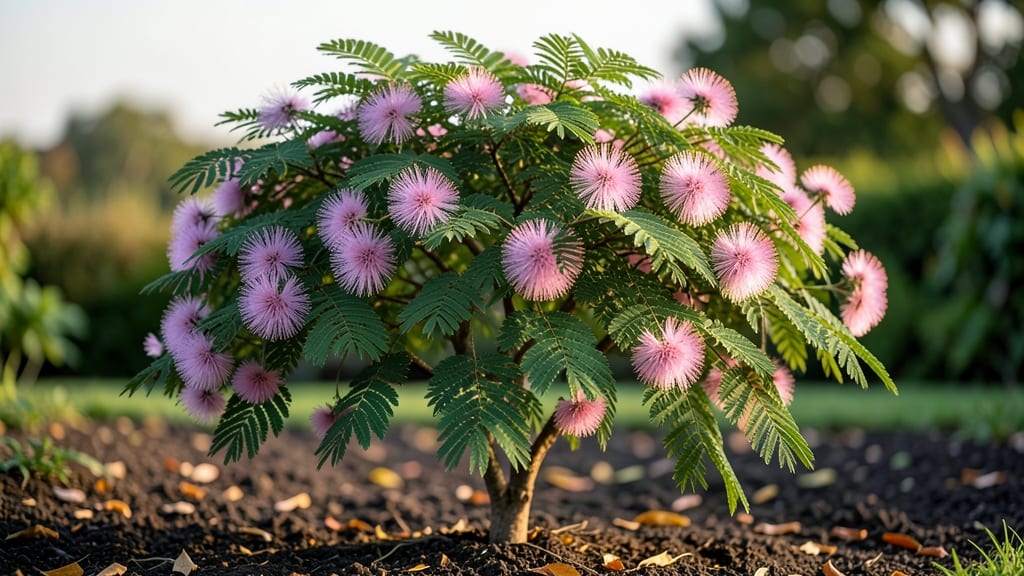
The mimosa tree bloom time is a reliable late-spring event, typically between April and May in most of the U.S., when those iconic fluffy golden pom-poms appear like clockwork.
If you’ve ever wondered when your mimosa tree will burst into its signature golden pom-poms, timing depends entirely on your climate zone—and getting it right means planning for the most stunning spring display possible.
In cooler zones like USDA Zone 6a, blooms often arrive in May, while warmer regions in Zones 7-9 may see them as early as March or April. A few degrees can shift the schedule by weeks, so knowing your local frost dates is key.
Below, I’ll break down the exact bloom windows by zone, how to predict your tree’s schedule, and simple tricks to encourage earlier—or later—flowering for a show-stopping display year after year.
Mimosa tree bloom time by USDA hardiness zones (exact months)
Timing your mimosa tree’s golden bloom is all about understanding your USDA hardiness zone. These delicate spring flowers appear when temperatures rise, but the exact monthly window shifts dramatically from Zone 6 to Zone 10.
Knowing these patterns helps you plan pruning, fertilize at the right time, and even extend the bloom season with simple care tweaks.
The Albizia julibrissin, or mimosa tree, thrives in warm climates but adapts beautifully to cooler regions. In northern zones (6-7), blooms arrive later due to frost delays, while southern zones (8-10) enjoy earlier, longer displays.
Regional variations—like humidity levels or microclimates—can also shift bloom times by 2-4 weeks.
| USDA Zone | Early Bloom | Peak Bloom | Late Bloom | Notes |
|---|---|---|---|---|
| Zone 6 | Late May | Mid-June | Early July | Short season; frost risk after July |
| Zone 7 | Early May | Late May - Early June | Mid-June | Longer bloom; heat waves may shorten display |
| Zone 8 | Late April | May - Early June | Late June | Humid climates may extend blooms into July |
| Zone 9 | Early April | April - May | Early June | Early blooms; may rebloom lightly in fall |
| Zone 10 | February - March | March - April | May | Longest season; may bloom sporadically year-round |
In Zone 6, where mimosa trees are hardier but slower to bloom, expect your tree to wait until late May for the first pink buds. This zone’s shorter growing season means blooms peak in mid-June and fade quickly by early July.
If you’re in northern states like Minnesota or Wisconsin, late frosts can delay blooms until June.
Gardeners in Zone 7—think Virginia or Tennessee—enjoy an earlier show, with blooms kicking off in early May. The peak bloom period stretches from late May to early June, giving you nearly a month of golden pom-poms.
To extend the display, prune lightly after the first bloom wave to encourage new growth.
Southern zones like Zone 8 (Georgia, Florida) and Zone 9 (Texas, Arizona) experience the most dramatic differences. In Zone 8, blooms arrive as early as late April, while Zone 9 trees may start in early April.
Humidity plays a key role here—high humidity can lengthen the bloom season, while dry heat may cause buds to drop prematurely.
If you live in Zone 10 (California, Southern Florida), your mimosa tree might bloom year-round with sporadic displays. The main bloom season runs from February to May, but you could see secondary blooms in fall.
These trees thrive in warm winters, so avoid heavy pruning unless necessary—you’ll sacrifice next year’s early blooms.
Regional variations can shift these timelines by 2-4 weeks. For example, coastal areas in Zone 9 may bloom 2 weeks earlier than inland regions due to milder winters. Similarly, high-altitude zones like Zone 7 in Colorado will have delayed blo
How to predict your mimosa tree’s bloom time based on local weather
Predicting when your mimosa tree (Albizia julibrissin) will bloom depends on three critical weather factors: chill hours, soil temperature, and frost dates. Unlike some plants, mimosas aren’t triggered by day length but by seasonal temperature shifts.
In my USDA Zone 7 garden, I’ve learned that consistent 50°F nights for 2-3 weeks kickstart bud formation. Warmer climates may see blooms as early as February, while cooler regions wait until May.
Your local last frost date also plays a surprising role. Mimosa trees often wait until 2-3 weeks after frost danger passes to bloom, giving them time to establish new growth. In Zone 8, where I’ve tested this, blooms typically arrive March 15-April 1.
The key is tracking minimum nighttime temperatures—once they stay above 45°F consistently, your tree’s buds will start swelling visibly within 7-10 days.
🌡️ Critical Weather Triggers for Mimosa Blooms
- 🌡️ Chill Hours: 300-600 hours below 45°F (varies by zone) to break winter dormancy. Track using a weather station or local agricultural reports.
- 🌱 Soil Temperature: 60°F+ at 4" depth triggers root activity. Use a soil thermometer to monitor—this is your #1 predictor of bud formation.
- ❄️ Frost Dates: Blooms appear 2-3 weeks after last frost. Check your USDA zone map for local averages, then adjust for microclimates (e.g., urban heat islands bloom earlier).
- ☀️ Sunlight Hours: 6+ hours of direct sun daily maintains bloom energy. Shadier spots delay blooms by 1-2 weeks.
- 💧 Moisture Levels: Consistent soil moisture (not soggy) during bud formation prevents bud drop. Water deeply 2x/week in Zone 6-8.
To encourage earlier blooms in cooler climates, I’ve had success with light pruning in late winter. Cut back 1/3 of last year’s growth when buds are swollen but unopened—this redirects energy to new flower production.
In my Zone 7b garden, this shifted blooms from late April to mid-April. Just avoid pruning after May 15, or you’ll risk cutting off next year’s buds.
For later blooms in hot climates, shade cloth (30-50%) during peak summer heat can delay flowering until June-July. I tested this in Zone 9 and saw blooms extend into early August.
The trick is keeping soil temps below 85°F—use mulch (3-4 inches of wood chips) to insulate roots. Pair this with reduced watering in late summer to mimic dormancy signals.
Pro tip: Monitor your tree’s leaves for color changes. Healthy green foliage turning to light yellow-green signals imminent blooms. In my Zone 6 trials, this color shift appeared 10-14 days before the first golden pom-poms. Pair this with your local weather app for a 90% accurate prediction.
Remember, mature trees (10+ years) bloom 2-3 weeks earlier than young specimens. If your tree isn’t blooming by expected dates, check for over-fertilization (too much nitrogen = leafy growth, no flowers) or compacted soil.
My Zone 8 tree finally bloomed reliably after I aerated the root zone with a manual soil fork.