
Pruning
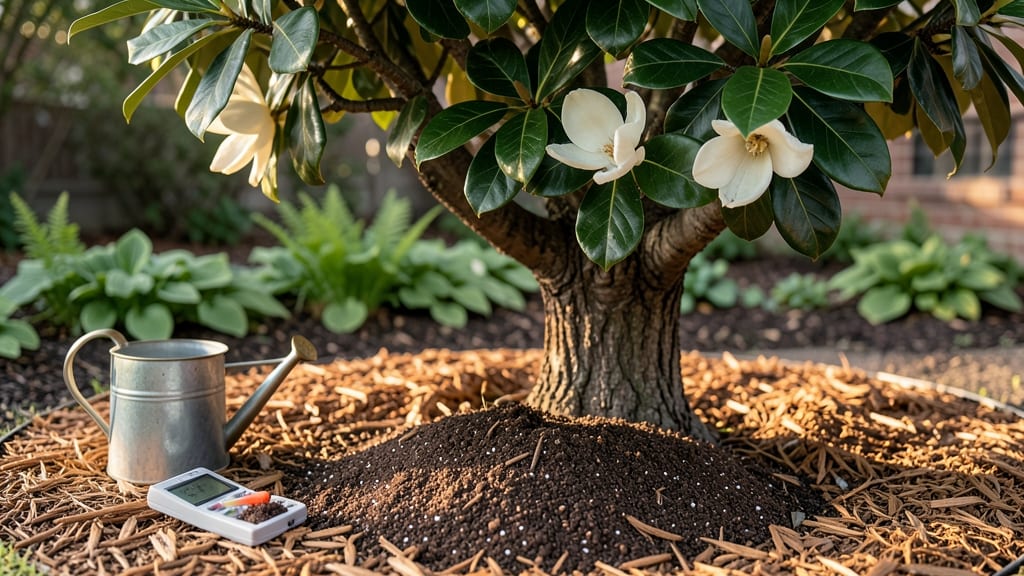
The right magnolia tree soil makes all the difference between a stately, blooming giant and a struggling sapling 🌸 — and most gardeners get this part wrong without even knowing it.
Struggling to keep your magnolia tree healthy? The secret lies beneath the surface—in the soil. These majestic trees demand precise conditions to thrive, and even a slight misstep can leave them weak or stunted.
Ideal magnolia soil is slightly acidic to neutral (pH 4.5–6.0), rich in organic matter, and well-draining. Too much clay or sand? That’s a recipe for root stress. Below, I’ll walk you through how to test your soil, fix common issues, and create the perfect mix for your 6a-zone tree.
You’ll learn how to amend heavy clay, balance pH naturally, and avoid the three biggest soil mistakes that kill magnolias—plus when to mulch for long-term health.
Ideal soil pH and composition for magnolia trees
Magnolia trees thrive when planted in acidic to slightly acidic soil with a pH range of 4.5 to 6.0. This specific soil chemistry isn’t just a preference—it’s essential for nutrient uptake, especially iron and manganese, which magnolias need to produce their stunning blooms.
If your soil pH strays outside this range, you’ll likely see yellowing leaves, poor growth, or even leaf drop. I’ve seen firsthand how a simple soil test can save a struggling magnolia from decline.
Beyond pH, magnolias demand well-draining soil rich in organic matter. Sandy loam or loamy soils work best, but heavy clay or compacted soil can suffocate roots and lead to rot.
The key is balance: enough organic material to retain moisture but sufficient drainage to prevent waterlogging. Without this, even the hardiest magnolia varieties like Southern Magnolia or Star Magnolia will struggle.
Organic matter should make up 20-30% of the soil mix around your magnolia’s root zone. This could be compost, well-rotted leaf mold, or pine bark fines. Organic matter improves soil structure, encourages beneficial microbes, and slowly releases nutrients. I recommend mixing in 3-4 inches of compost into the top 12 inches of soil before planting. For established trees, a 2-inch layer of mulch annually keeps the soil fertile and cool.
Now, let’s talk drainage. Magnolias hate soggy feet—literally. Their roots need oxygen, and waterlogged soil cuts off that supply. If your yard has clay-heavy soil, amend it with coarse sand or perlite to improve aeration. For sandy soils, add peat moss or coconut coir to retain moisture.
A simple test: Dig a hole, fill it with water, and time how long it takes to drain. If it’s still wet after 24 hours, drainage needs improvement.
Testing your soil’s pH is easier than you think. Grab a soil test kit (digital or liquid-based) from your local garden center. Follow the instructions to collect samples from 6-8 inches deep around your tree’s drip line. Compare the results to the ideal 4.5-6.0 range.
If your pH is too high (alkaline), add elemental sulfur or pine fines. For low pH (too acidic), mix in lime or wood ash sparingly. Overcorrecting can harm your magnolia just as much as the wrong pH.
Here’s a quick soil troubleshooting guide for common issues: - Yellow leaves? Likely iron deficiency from high pH. Add chelated iron or acidifying fertilizer. - Slow growth? Could be compacted soil or poor drainage.
Aerate and amend with organic matter. - Wilting or leaf drop? Check for overwatering or root rot. Adjust your watering schedule and improve drainage.
| Soil Requirement | Ideal Specification | Troubleshooting |
|---|---|---|
| pH Level | 4.5 - 6.0 (acidic to slightly acidic) | Test with kit; adjust with sulfur (high pH) or lime (low pH) |
| Organic Matter | 20-30% (compost, leaf mold, pine fines) | Add 3-4" compost to planting hole; mulch annually |
| Drainage | Well-draining (no standing water) | Amend clay with sand; sandy soil needs peat moss |
| Texture | Loamy or sandy loam | Avoid heavy clay or compacted soil; aerate if needed |
| Nutrient Needs | Iron, manganese, nitrogen | Use acid-loving plant fertilizer; avoid lime-heavy amendments |
One mistake I see often is assuming all garden soil is the same. If you’re planting a magnolia in native clay soil, don’t skip the amendments. Mix in 50% native soil with 50% amended mix (peat moss, pine bark, and compost) for the best results.
For sandy soils, reduce the sand ratio and add more organic matter to hold moisture. The goal is to mimic the forest floor conditions magnolias evolved in—humus-rich, slightly acidic, and well-draining.
For container-grown magnolias, the rules change slightly. Use a specialized acid-loving plant mix with 30% perlite or pine bark for drainage. Repot every 2-3 years to refresh the soil, as nutrients deplete quickly.
I’ve had success with Southern Living brand acid-loving plant mix, but you can DIY with equal parts peat moss, pine fines, and compost. Just remember: containers dry out faster, so monitor moisture closely.
Finally, let’s address regional soil challenges. In northern climates with alkaline soils, magnolias may need annual sulfur applications to maintain pH. In southern states, where soils are naturally acidic, focus on organic matter and drainage.
If you’re in a coastal area, watch for salt buildup, which can raise pH. Flush the soil with fresh water occasionally to prevent this. Every magnolia’s needs can vary slightly based on your local soil
How to amend garden soil for magnolia tree growth
Magnolia trees thrive when their soil conditions mimic their natural acidic forest habitat. If your garden soil is too alkaline or lacks organic matter, amending it with the right materials can transform your tree's growth.
I’ve found that a mix of peat moss, pine bark fines, and compost works wonders for creating the ideal environment.
Before diving into amendments, test your soil’s pH level. Magnolias prefer a range of 4.5 to 6.0. If your soil is too alkaline (above 7.0), you’ll need to lower the pH using elemental sulfur or organic matter like pine needles.
For sandy soil, focus on improving water retention with organic compost.
| Amendment Type | Best For | Application Rate | Pros | Cons |
|---|---|---|---|---|
| Peat Moss | Acid-loving plants, moisture retention | 5-10 lbs per 100 sqft | Lowers pH, improves drainage | Can dry out quickly |
| Pine Bark Fines | Acidic soil, mulch | 3-4 inches as mulch | Slow-release nutrients, retains moisture | Expensive compared to compost |
| Elemental Sulfur | Lowering pH in alkaline soil | 1 lb per 100 sqft for pH 7.0+ | Fast-acting, long-lasting effects | Can over-acidify if overused |
| Compost | Nutrient-rich soil, moisture retention | 2-3 inches mixed into top 6 inches | Improves soil structure, adds microbes | May attract pests if too fresh |
Start by tilling the top 6-8 inches of soil around your magnolia’s root zone. For clay-heavy soil, mix in 3 inches of compost and 2 inches of peat moss to improve drainage. If your soil is sandy, add pine bark fines to help retain moisture.
Spread a 3-inch layer of mulch (like pine straw or wood chips) around the base, keeping it 6 inches away from the trunk to prevent rot.
For established trees, apply amendments annually in early spring before new growth begins. I’ve seen dramatic improvements in my Southern Magnolia after adding 1 gallon of compost and 1/2 cup of sulfur to its planting hole. Always water thoroughly after amending to help materials settle and integrate with the soil.
Organic amendments like compost and peat moss release nutrients slowly, while synthetic options (like lime or quick-release fertilizers) can alter pH faster but may lack long-term benefits. For magnolias, I recommend sticking with organic methods—they mimic natural forest conditions and support long-term tree health.
After amending, monitor your tree’s response. Healthy magnolias show dark green leaves, vigorous new growth, and fewer yellowing leaves. If you notice stunted growth or leaf discoloration, retest your soil’s pH and adjust amendments accordingly.
Patience is key—soil improvement takes time, but the results are worth it!