
Pests and Diseases
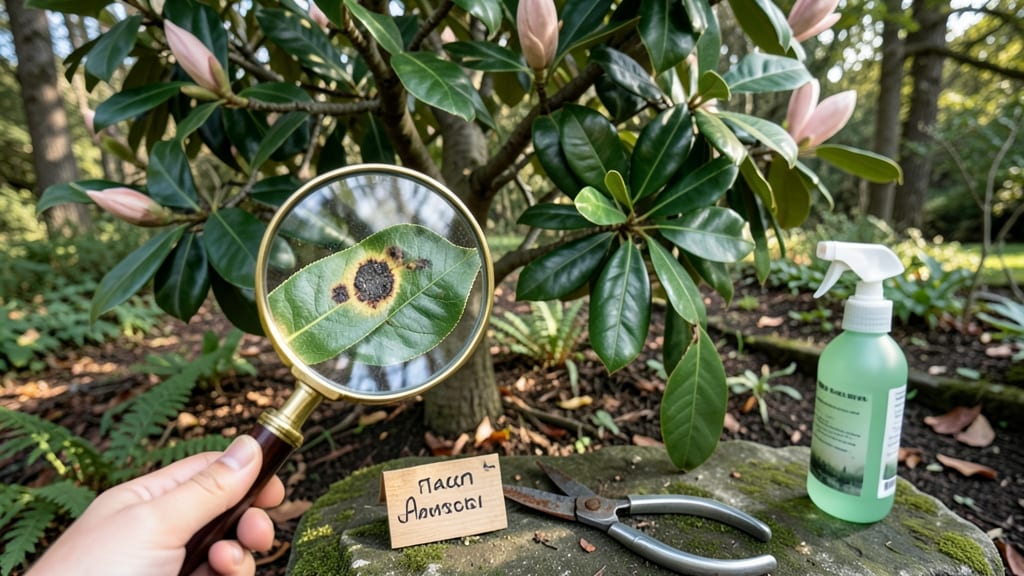
Your magnolia tree leaf disease—once glossy and vibrant—now looks like it’s been dusted with chalk or spotted with rust, signaling a fungal battle stealing its beauty. 🌿 I’ve spent years watching magnolias fight powdery mildew, anthracnose, and other fungal infections, and I’ll show you exactly how to diagnose what’s wrong and stop it before it spreads.
The key is catching it early: powdery mildew leaves a white, powdery coating, while anthracnose creates dark, sunken spots that ooze when wet. Both thrive in humid conditions, but the good news? Simple organic sprays—like neem oil or baking soda mixtures—can turn things around in 2-3 weeks if applied correctly.
You’ll restore those deep green leaves and prevent future outbreaks with a few proactive steps. The secret lies in proper pruning, improved air circulation, and a monthly preventive spray during peak fungal seasons (spring and fall). This works for all magnolia types, from Southern magnolias to star magnolias.
Let’s get your tree back to its stunning, disease-free self.
Why it happens
Magnolia trees are stunning additions to any landscape, but their lush foliage can quickly turn into a battleground against fungal foes. Understanding why leaf diseases strike is the first step to protecting your tree.
Below, we break down the science behind the most common triggers—so you can spot the warning signs before they escalate.
🌡️ Fungal Spores in Humid Conditions
Fungal pathogens like Magnaporthe grisea (a common cause of leaf blight) and Colletotrichum thrive in warm, damp environments. When temperatures hover between 60–85°F (15–30°C) and humidity stays high—especially after prolonged rain or overhead watering—fungal spores germinate and infect leaves.
These spores latch onto leaf surfaces, creating dark, sunken lesions or grayish mold. Magnolias are particularly vulnerable because their broad, thick leaves trap moisture, creating the perfect breeding ground.
Actionable insight: Fungal spores often spread via wind or splashing water. If your tree sits in a low-lying area or near a water feature, it’s at higher risk. Stay tuned for tips on how to disrupt this cycle.
🍄 Poor Air Circulation and Crowded Canopies
Magnolias with dense, overlapping foliage or those planted too close to buildings, fences, or other trees suffer from poor airflow. Stagnant air prevents leaves from drying quickly after rain, prolonging moisture exposure.
This slows evaporation and gives fungi more time to colonize. Common symptoms include yellowing leaves, black spots, or a velvety gray mold—classic signs of anthracnose or powdery mildew.
Scientific note: Fungi release enzymes that break down leaf cuticles, creating entry points for infection. In crowded canopies, these enzymes spread faster because spores aren’t diluted by moving air.
Actionable insight: Prune your magnolia to open up the canopy, removing crossing branches or overgrown limbs. Aim for 20–30% of the foliage to improve airflow—just don’t overdo it, as magnolias are sensitive to heavy pruning.
🌱 Weakened Trees from Stressors
Stress makes magnolias far more susceptible to leaf diseases. Common stressors include:
- Improper watering: Overwatering or drought weakens roots, reducing the tree’s ability to fight off pathogens. Phytophthora (a soil-borne fungus) exploits root stress to invade leaves via the vascular system.
- Nutrient deficiencies: Low nitrogen or iron causes chlorosis (yellowing leaves), which compromises cell integrity and makes leaves easier targets for fungal invasion.
- Physical damage: Hail, pests (like scale insects), or poor pruning create wounds that fungi exploit as entry points.
- Transplant shock: Recently planted magnolias are highly vulnerable for 1–2 years as their roots establish.
Key mechanism: Stressed trees produce less lignin (a protective compound in cell walls), leaving them defenseless against fungal hyphae (thread-like structures) that penetrate leaf tissue.
Actionable insight: If your magnolia shows signs of stress (wilting, stunted growth, or sparse foliage), address the root cause first before treating leaf diseases. Healthy trees are 70% less likely to develop severe infections.
🌿 Overhead Irrigation and Splashing Water
Watering from above (via sprinklers or hose sprays) propels fungal spores directly onto leaves, accelerating infection. Unlike drip irrigation, which delivers water to the soil, overhead methods turn leaves into fungal launchpads. Alternaria and Septoria (two common leaf spot fungi) rely on water to spread their spores.
Data point: Studies show that 90% of fungal leaf spot cases in ornamental trees are linked to overhead irrigation. Even morning dew can worsen issues if leaves stay wet for more than 6–8 hours.
Actionable insight: Switch to drip irrigation or soaker hoses to keep foliage dry. If you must use overhead watering, do it early in the morning so leaves have all day to dry.
🐛 Pests Creating Entry Points
Insects like magnolia scale, Japanese beetles, and spider mites don’t just damage leaves—they open doors for fungi. When pests feed, they:
- Create microscopic wounds in leaf tissue.
- Excrete honeydew, a sugary substance that attracts sooty mold fungi.
- Weaken the tree’s immune response by sapping nutrients.
Example: Sooty mold (a black, fuzzy fungus) thrives on honeydew and often appears alongside scale infestations. While sooty mold itself doesn’t kill magnolias, it blocks sunlight, further stressing the tree and making it prone to secondary infections.
Actionable insight: Monitor your magnolia for pests year-round. Use neem oil or horticultural oil to treat infestations before they invite fungi. Learn more about organic solutions.
Fixing Fungal Foes on Magnolias
Now that you’ve identified the culprit behind your magnolia’s leaf woes, it’s time to roll up your sleeves and restore those glossy, healthy leaves! 🌿💪 The good news? Most fungal issues on magnolias respond well to targeted care—if you act quickly and consistently.
Below, we’ve mapped out practical, step-by-step solutions for the most common fungal blights, plus prevention tips to keep your tree thriving long-term.
Cause: Erysiphe or Sphaerotheca fungi thrive in humid, shaded conditions, creating that telltale white, powdery coating.
How to Fix It:
- Prune for Airflow 🌬️
- Thin out dense branches to improve sunlight penetration and airflow. Aim for 20–30% less foliage in heavily affected areas.
- Remove severely infected leaves (but avoid over-pruning—magnolias are sensitive!).
- Fungicide Spray (Organic or Chemical)
- Neem oil spray (1 tsp neem oil + 1 tsp mild soap per quart of water): Spray every 7–10 days until new growth appears. 🌿✨
- Baking soda solution (1 tbsp baking soda + 1 quart water + a drop of soap): Reapply weekly in humid weather.
- For severe cases: Use a copper fungicide (like Bonide Copper Fungicide) following label instructions.
- Morning Watering Hack 💦
- Water early in the day so leaves dry by evening. Wet foliage at night = fungal buffet.
Prevention Pro Tips:
- 🌡️ Space plants 6–10 feet apart to reduce humidity.
- ✨ Mulch lightly (2–3 inches) with pine straw or gravel (not thick organic mulch, which traps moisture).
- 🎯 Plant resistant varieties like Magnolia ‘Little Gem’ or Magnolia ‘Ann’ if powdery mildew is recurrent.
Cause: Colletotrichum or Gloeosporium fungi create dark, sunken spots with yellow halos, often in wet springs.
How to Fix It:
- Clean Up Debris 🧹
- Rake and remove all fallen leaves (burn or compost them separately—don’t add to garden beds!).
- Sterilize pruners with rubbing alcohol between cuts to prevent spreading.
- Fungicide Rotation 🔄
- First spray: Chlorothalonil (like Daconil) for severe cases—follow label rates.
- Second line: Potassium bicarbonate (like Armicarb) for organic control. Spray every 10–14 days until spots stop appearing.
- Adjust Watering 🚰
- Water at the base (not overhead) and avoid late-season fertilization (nitrogen promotes tender new growth fungi love).
Prevention Pro Tips:
- 💡 Plant in full sun (6+ hours/day)—anthracnose loves shade.
- 🌱 Choose disease-resistant cultivars like Magnolia ‘Elizabeth’ or Magnolia ‘Jane’.
- 🍂 Prune in dry weather (never when leaves are wet).
Cause: Alternaria or Septoria fungi create irregular brown spots with feathery edges, often in rainy seasons.
How to Fix It:
- Spot-Treat Infected Leaves 🎯
- Remove only the worst-hit leaves (don’t stress the tree by over-pruning).
- For remaining spots, apply a hydrogen peroxide spray (1 part 3% H₂O₂ to 4 parts water) to kill surface fungi.
- Copper-Based Fungicide 🛡️
- Spray copper fungicide (like CuPro) every 2 weeks during rainy periods. Copper disrupts fungal spores without harming bees.
- Boost Tree Health 💪
- Fertilize lightly with a balanced 10-10-10 in early spring to strengthen immunity.
- Avoid overhead irrigation—use drip systems instead.
Prevention Pro Tips:
- 🌡️ Improve drainage—if soil stays soggy, raise beds or add compost.
- 🍂 Mulch with cedar chips (natural fungicidal properties!).
- 🎯 Monitor rainfall—cover young trees with shade cloth during prolonged wet spells.
No matter the culprit, these extra steps will speed up recovery: - 🍄 Avoid wetting leaves when watering (use soaker hoses or drip irrigation). - 🌿 Test soil pH—magnolias prefer slightly acidic soil (5.5–6.5).
Amend with sulfur if needed. - 🐝 Support pollinators—healthy ecosystems = fewer fungal outbreaks! Plant bee-friendly flowers nearby.
If your magnolia’s canopy is 50%+ infected, new leaves keep dying, or fungus returns yearly despite treatment, consult an arborist or plant pathologist. Severe cases may need systemic fungicides (like Propiconazole) or professional pruning.
Remember: Patience is key! Magnolias are tough—they’ll bounce back with the right care. 🌳💚 Start today, and those glossy leaves will be back in no time!
Frequently asked questions
What’s the difference between powdery mildew and anthracnose on magnolia leaves?
Powdery mildew appears as a white, powdery coating on leaf surfaces, while anthracnose shows as dark, sunken spots with yellow halos. Mildew thrives in humid shade, while anthracnose loves wet springs. The key difference? Anthracnose often oozes when wet, while mildew just looks dusty.
Can I use household items like vinegar or baking soda to treat magnolia leaf diseases?
Yes! A baking soda solution (1 tbsp baking soda + 1 quart water + a drop of soap) works well for powdery mildew. For vinegar, use a diluted 1:10 ratio with water (never full-strength) as a fungicide spray. Both are safe but less potent than neem oil or copper fungicides for severe cases.
How often should I spray fungicides on my magnolia?
For preventive care, spray every 7–14 days during peak fungal seasons (spring and fall). If treating an active infection, apply every 5–7 days until new growth appears. Always follow label instructions for specific products—overusing fungicides can harm beneficial insects and soil microbes.
Will pruning help my magnolia recover from leaf disease?
Pruning 20–30% of infected foliage improves airflow and sunlight penetration, which are critical for recovery. Focus on removing crossing branches and severely diseased leaves—just avoid heavy pruning, as magnolias are sensitive. Sterilize your tools with rubbing alcohol between cuts to prevent spreading spores.
When should I call an arborist for my magnolia’s leaf disease?
Consult a professional if your magnolia’s canopy is 50%+ infected, new leaves keep dying despite treatment, or the disease returns yearly. Severe cases may require systemic fungicides or specialized pruning techniques. An arborist can also diagnose less common issues like Phytophthora root rot, which isn’t visible above ground.