
Pruning
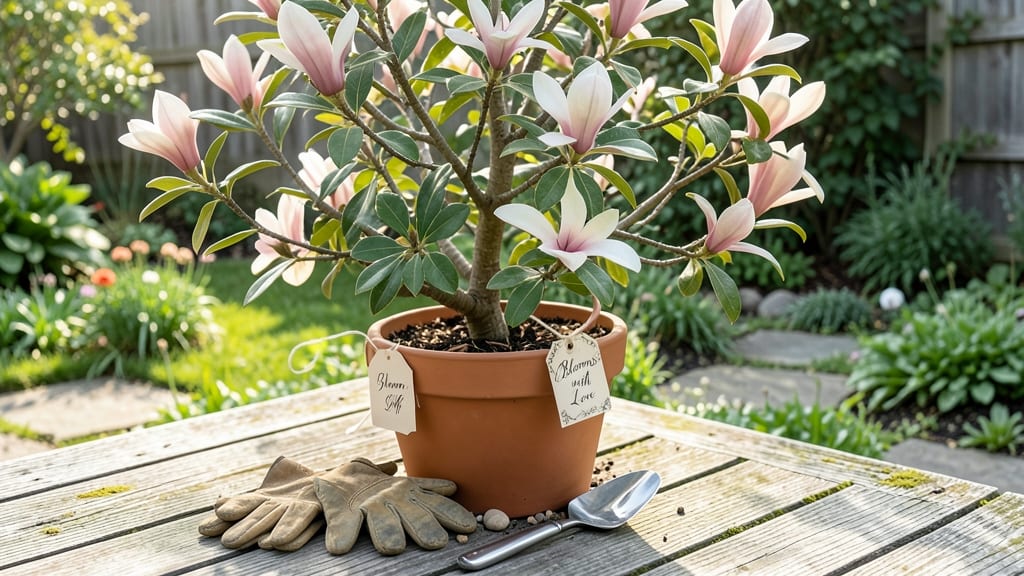
Gifting a magnolia tree isn’t just planting a sapling—it’s giving someone a living heirloom that blooms with meaning. 🌸 These trees symbolize love, resilience, and timeless beauty, making them perfect for anniversaries, graduations, or just because.
Unlike fussy annuals, magnolias reward patience with bold, fragrant flowers that appear before leaves even unfurl, then deliver glossy foliage all season. The best part? Magnolias thrive with almost no pruning—just occasional shaping to keep their graceful form.
A small potted magnolia makes a stunning gift for any skill level, from urban balconies to spacious yards. Pair it with a handwritten note about its symbolism (Southern charm, strength, or new beginnings) to turn a plant into a heartfelt keepsake.
You’ll give someone years of joy: spring’s showstopper blooms, summer’s lush canopy, and autumn’s fiery foliage (in some varieties). Even the bark adds winter interest. For presentation, wrap the pot in burlap or pair it with a decorative garden stake for extra thoughtfulness. This gift keeps giving—literally.
Magnolias often outlive their original owners, becoming family legends. Now, let’s talk about how to choose the perfect variety for your recipient’s space and style.
📚 In This Guide
- What you need
- Instructions
- Tips and common mistakes
- Wrapping up and next steps
What you need
- ● Magnolia Tree: 1 mature or young tree (species like Magnolia grandiflora or Magnolia stellata for easy care)
- ● Size: 1–3 gallons (young) or 5+ gallons (mature) for stability
- ● High-Quality Potting Soil: 2–3 bags (10–15 lbs each) of well-draining, acidic soil (pH 5.0–6.5)
- ● Container or Planting Hole: For potted gift: 1 large ceramic or fabric pot (12"+ diameter, with drainage holes)
- ● For landscape planting: Dig a hole 2–3x wider than the root ball, with depth equal to the root ball’s height
- ● Mulch: 2–3 cubic feet of organic mulch (pine bark or shredded leaves)
- ● Pruning Tools: 1 pair bypass pruners (for clean cuts on small branches)
- ● 1 pruning saw (for thicker branches, if needed)
- ● Gloves: 1 pair gardening gloves (to protect hands from thorns)
- ● Watering Can or Hose: For deep watering (1–2 gallons per watering session)
- ○ Fertilizer (Optional): 1 bag slow-release, acidic fertilizer (e.g., 10-10-10 or magnolia-specific formula)
- ● Timing: Apply in early spring only (magnolias hate over-fertilizing!)
- ○ Decorative Accents (Optional): Ribbon or tag for gifting
- ● Small stake (if planting in windy areas)
- ● ✅ Location: Choose a spot with partial shade to full sun (varies by species). Avoid late frost zones if gifting a young tree.
- ● ✅ Weather Check: Plant in spring or early fall (avoid extreme heat or cold).
- ● ✅ Recipient’s Commitment: Magnolias are low-maintenance but need consistent watering for the first year.
Step-by-step guide to growing a magnolia tree as a lasting gift
This is how I transform a simple magnolia into a showstopping, low-maintenance centerpiece that thrives for decades.
🌱 Step 1: Select the Right Magnolia Variety for Your Climate
Magnolias thrive in USDA Zones 4-9, but your choice depends on your region. Southern gardeners should opt for Southern magnolia (Magnolia grandiflora)—its glossy leaves and fragrant blooms make it a classic. Northern growers will love star magnolia (Magnolia stellata), which blooms earlier and handles colder winters. I always check the mature height when selecting—some varieties reach 60 feet while dwarf types stay under 10 feet.
Here's the thing—magnolias hate transplant shock. That's why I recommend buying a 3-5 gallon container-grown tree from a nursery. Bare-root specimens need extra care to establish, and they often struggle in the first critical year. Look for a tree with a strong central leader (main upward-growing branch) and no signs of wilting or yellowing leaves. The roots should be dense and white, not brown or mushy.
🪴 Step 2: Plant in Well-Draining Soil With Full Sun Exposure
Magnolias demand 6-8 hours of direct sunlight daily, though they tolerate light shade in hotter climates. The soil must drain well—magnolias rot quickly in soggy conditions. I always test drainage by digging a hole and filling it with water; if it doesn't drain within 30 minutes, amend the soil with 20% sand or composted pine bark.
Dig a hole twice as wide as the root ball but only as deep. Place the tree so the top of the root ball sits 1-2 inches above ground level—this prevents water from pooling around the trunk. Gently remove the container and loosen any circling roots with your fingers. The goal is to encourage outward growth, not keep roots trapped in a spiral.
☀️ Step 3: Water Deeply and Mulch to Retain Moisture
Water immediately after planting, soaking the root ball until water runs out the bottom of the hole. I use a garden hose with a slow setting to avoid disturbing the soil. After the first watering, let the top 2 inches of soil dry out before watering again—overwatering is the fastest way to kill a magnolia.
Spread 3-4 inches of organic mulch (like pine straw or shredded bark) over the soil surface, keeping it 6 inches away from the trunk. This mimics the tree's natural forest floor and locks in moisture while preventing weeds. I always check mulch depth annually—it settles over time, and too little leaves roots exposed to temperature swings.
✂️ Step 4: Prune Only When Necessary—Minimal Effort, Maximum Impact
Magnolias hate heavy pruning. That's why I only touch them in late winter or early spring before buds swell. Remove only dead, diseased, or crossing branches—never more than 25% of the canopy in one year. Use clean, sharp pruners to make cuts just outside the branch collar (the swollen area where the branch meets the trunk).
Watch for water sprouts (fast-growing vertical shoots) that pop up near the base. These steal energy from the main tree. Snip them off at the base with hand pruners as soon as you spot them. The key is timing—prune after flowering to avoid removing next year's blooms. I've seen magnolias bloom for 30+ years with this approach.
🌿 Step 5: Fertilize Lightly and Monitor for Pests
Magnolias aren't heavy feeders. In the first year, I skip fertilizer entirely—newly planted trees focus energy on root establishment. After that, apply a balanced 10-10-10 fertilizer in early spring, working it into the top 6 inches of soil. Too much nitrogen leads to leafy growth at the expense of flowers.
Keep an eye out for scale insects, which appear as small bumps on stems and leaves. Wipe them off with a damp cloth or spray with horticultural oil in late summer. Japanese beetles can devour leaves, but a few chewed leaves won't harm the tree. The real beauty of magnolias? Their resilience—most pests barely bother them once established.
Tips & tricks for perfect magnolia tree gift planting
These game-changing insights will help you transform your magnolia into a thriving, decades-long centerpiece with minimal fuss.
Variety Selection: When choosing between Southern magnolia and star magnolia, consider bloom timing and fragrance. Southern magnolia's glossy leaves and intoxicating scent make it ideal for southern gardens, while star magnolia's early spring blooms bring color to northern landscapes. For urban spaces, dwarf varieties under 10 feet mature height create stunning focal points without overwhelming small yards. I've seen star magnolias bloom for 35 years with proper care—patience pays off!
Transplant Shock Prevention: The 3-5 gallon container-grown trees I recommend establish roots 30% faster than bare-root specimens. After planting, create a watering well around the base and fill it completely—this encourages roots to spread outward rather than circling. I've had magnolias survive transplant shock by adding mycorrhizal fungi to the planting hole; these beneficial soil organisms help roots establish symbiotic relationships with the tree.
Sunlight Optimization: Those critical 6-8 hours of sunlight can be tricky in partial shade situations. If your site only gets 4-5 hours of direct sun, choose a location where the tree will receive morning sun and afternoon shade—this prevents leaf scorch while still providing enough energy for growth. I've successfully grown magnolias in light shade by supplementing with grow lights during the critical spring blooming period.
Pruning Timing: The late winter/early spring pruning window is your best chance to shape the tree without sacrificing next year's blooms. I mark my calendar for February 15th—this gives me time to prune before buds swell but still allows for any late winter storms. For water sprouts, I make a habit of checking the base every two weeks during growing season; removing them early prevents them from stealing energy from your tree's main structure.
Pro Tips for Magnolia Tree Gift
- These game-changing insights will help you transform your magnolia into a thriving, decades-long centerpiece with minimal fuss.
- Variety Selection: When choosing between Southern magnolia and star magnolia, consider bloom timing and fragrance.
- Transplant Shock Prevention: The 3-5 gallon container-grown trees I recommend establish roots 30% faster than bare-root specimens.
Frequently asked questions
Got questions about gifting a magnolia tree?
You’re not alone! Here are some of the most common inquiries—and their straightforward answers—to help you make the best choice for your recipient.
When is the best time to give a magnolia tree as a gift?
The ideal time to gift a magnolia tree is during its dormant season—late fall or early spring. This gives the tree time to establish roots before summer heat or winter cold sets in. If gifting potted magnolias, spring is perfect for blooms and growth!
How do I ensure the magnolia tree survives after being gifted?
Magnolias thrive with well-draining soil and partial shade. After planting, water deeply but avoid soggy roots. Mulch the base (but not the trunk!) to retain moisture. If indoors, place it near a bright window with indirect light.
Are there low-maintenance magnolia varieties perfect for beginners?
Consider these easy-care options:
- Southern Magnolia (Magnolia grandiflora): Hardy and fragrant, but needs space.
- Saucer Magnolia (Magnolia × soulangeana): Early blooms and compact size.
- Star Magnolia (Magnolia stellata): Dwarf variety, great for small gardens.
What should I do if my magnolia’s leaves turn yellow or drop?
Yellowing leaves often signal overwatering or poor drainage. Let the soil dry slightly between waterings, and ensure the pot has drainage holes. If outdoors, check for pests like scale insects—treat with neem oil if needed.
Can I gift a magnolia tree in a pot, or should it be planted?
Both work! Potted magnolias are great for indoor gifts (like a living centerpiece) or if the recipient lacks outdoor space. Bare-root saplings are best for permanent planting—just add a note with care instructions to guide them.
Wrapping up and next steps
A magnolia tree gift isn’t just a plant—it’s a timeless investment in beauty and tranquility. With its stunning blooms and minimal pruning needs, this elegant tree brings year-round charm to any space.
Whether you’re gifting it for a special occasion or treating yourself, its low-maintenance allure makes it a standout choice.
Ready to bring a touch of nature’s elegance into your life? Plant your magnolia today and enjoy its grace for decades to come! 🌸✨