
Pruning
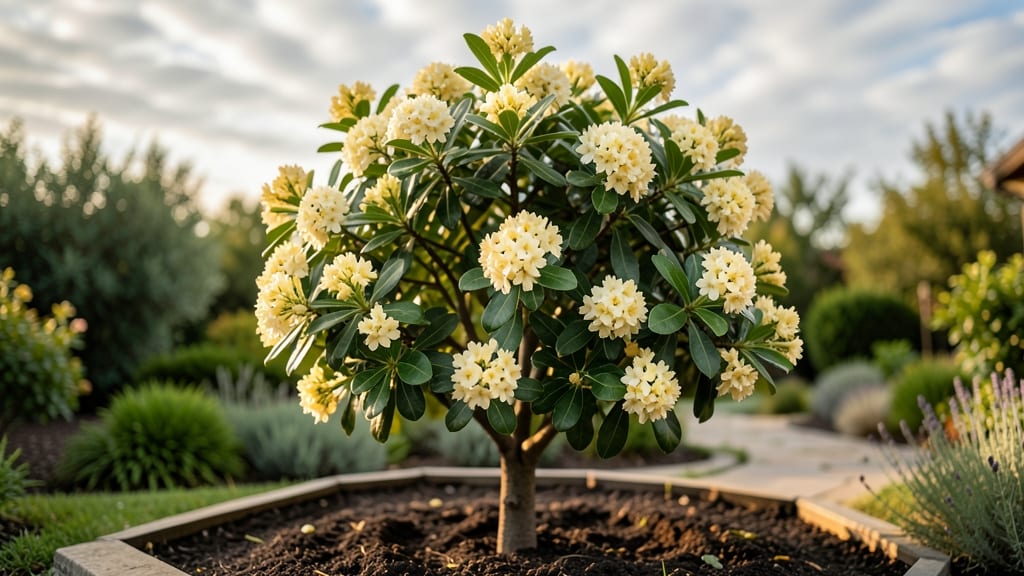
Loquat tree flowers bloom in late winter to early spring, producing fragrant white or pale pink blossoms that precede fruit. To encourage more flowers, prune in late winter, ensure full sun exposure, and fertilize with citrus-specific nutrients before budding season.
These delicate blossoms appear after the tree undergoes a period of dormancy, triggered by cooler temperatures and shorter daylight hours. 🌸 The blooming window can vary slightly depending on your region—warmer climates might see flowers as early as February, while cooler areas may wait until April.
I've noticed that trees in USDA zones 8-10 tend to produce the most reliable blooms, as they get just enough winter chill without extreme temperature swings that can stress the plant.
What's fascinating is how these trees respond to care practices. Proper pruning isn't just about shaping the tree—it's about creating an environment where the tree can focus its energy on producing flowers rather than excessive foliage.
I always recommend using sharp, sterilized shears and making cuts just above a leaf node to encourage healthy regrowth. The citrus-specific fertilizer I use contains micronutrients like zinc and manganese that these trees crave for optimal blooming.
💡 In This Article
- Loquat Tree Flowering Season and Climate Factors
- Pruning and Care Tips for Abundant Loquat Flowers
Loquat tree flowering season and climate factors
Loquat trees (Eriobotrya japonica) follow a precise biological rhythm where flowering is triggered by a combination of chilling hours and daylight changes. These trees require what's called "winter chilling"—typically 200-400 hours below 45°F (7°C)—to break dormancy.
Without sufficient chilling, flower buds may fail to develop, resulting in sparse or no blooms. This explains why trees in warmer climates (like Southern California) often flower earlier than those in cooler regions (like Georgia), where they might need an extra month of winter chill.
The blooming window also responds to photoperiod—the length of daylight. Loquat trees are sensitive to shortening day lengths in late fall, which signals the transition from vegetative growth to reproductive growth. Once the days start lengthening again in early spring, this triggers the actual flowering process.
In my experience, trees in USDA zones 8-10 get the perfect balance: enough winter chill to satisfy dormancy requirements but not so cold that flower buds freeze. Extreme temperature swings above 90°F (32°C) or below 25°F (-4°C) can damage buds, so microclimate matters.
Humidity plays a surprising role too. Loquat flowers thrive in 40-60% relative humidity during bloom, which helps prevent bud drop. In arid climates, I've seen blossoms wilt within days without proper irrigation.
The flowers themselves are incredibly fragrant—thanks to volatile organic compounds like linalool and geraniol—creating that signature sweet, almost honey-like scent that attracts pollinators. This fragrance peaks in the early morning, which is when bees are most active, ensuring better fruit set.
Regional variations create fascinating differences in bloom timing. In Florida, where winters are mild, trees might bloom as early as January-February, while in Texas, they often wait until March-April. The key is matching your care routine to your local climate.
For example, in coastal areas with mild winters, you might need to provide supplementary chilling by moving potted trees to a cooler garage for 4-6 weeks before the usual bloom season to ensure proper bud formation.
What most gardeners overlook is how soil temperature affects root activity. Loquat roots prefer soil temps between 55-65°F (13-18°C)—any colder, and root growth slows, reducing nutrient uptake needed for flower development.
In colder climates, I recommend using black plastic mulch in early spring to warm the soil and stimulate root activity before blooming begins. This small adjustment can make the difference between a tree with sparse flowers and one covered in blossoms.
Here's what's actually happening at the cellular level: Flower buds form during the previous summer and fall, but they remain dormant until winter chilling triggers hormonal changes. Gibberellins (growth hormones) decrease while cytokinins increase, shifting the tree's focus from leaf production to reproductive growth.
This hormonal shift is why proper pruning timing matters—removing excess growth in late winter allows the tree to redirect energy to these developing buds rather than supporting unnecessary foliage.