
Pruning
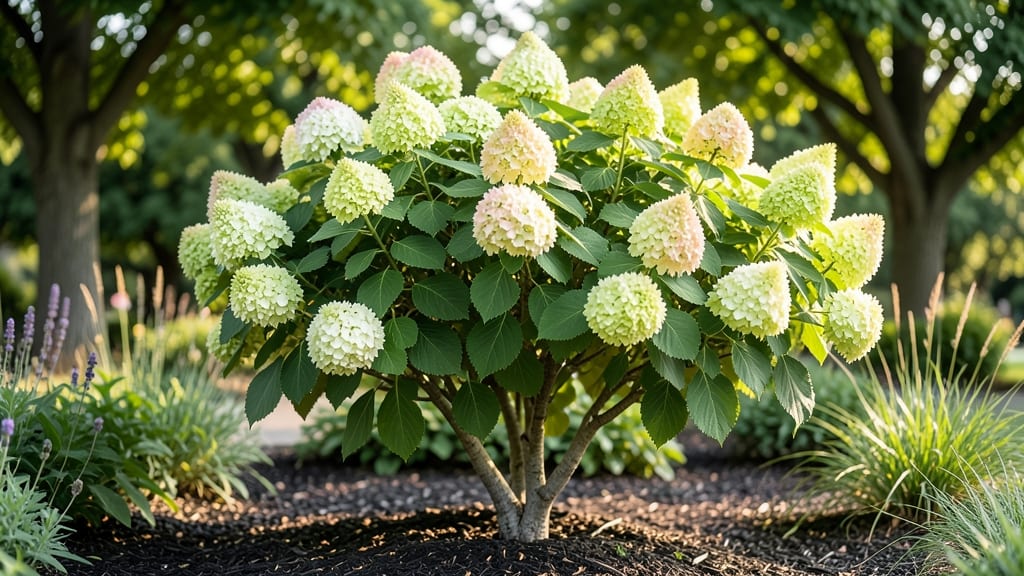
A Limelight Hydrangea Tree full size can reach up to 10 feet tall 🌸, making it a stunning but potentially overwhelming addition to your landscape if you don’t plan ahead.
Struggling to keep your Limelight Hydrangea Tree from towering over your patio or fence? This vibrant, fast-growing shrub can easily reach 10 feet—or more—if left unchecked, but with the right pruning techniques, you can maintain its size while preserving its stunning golden blooms.
This popular hydrangea thrives in USDA Zone 6a and beyond, but its rapid growth means it needs careful management to stay within your desired height.
Whether you want it as a focal point or a tidy backdrop, understanding when and how to prune is the key to keeping it looking its best.
In this guide, I’ll walk you through the best pruning methods, seasonal care tips, and common mistakes to avoid—so you can enjoy its beauty without the 10-foot headache.


When and how to prune limelight hydrangeas for optimal height control
Your Limelight Hydrangea Tree can grow to 10 feet tall with its signature golden blooms, but without proper pruning, it may become unruly. The key to maintaining its height while encouraging dense foliage lies in timing and technique.
Pruning at the wrong time or cutting too aggressively can stunt growth or damage the plant entirely. Let’s dive into the best practices to keep your hydrangea thriving at your desired height.
First, understand that Limelight Hydrangeas bloom on new wood, meaning they produce flowers on the current year’s growth. This makes late summer or early fall the ideal time for pruning, as it allows the plant to develop next year’s blooms while keeping its size in check.
However, you can also do light shaping in early spring to remove dead or weak branches before new growth begins.
Before you grab your pruners, gather the right tools: sharp bypass pruners for clean cuts, sterilized shears to prevent disease, and hand pruners for smaller branches. Avoid dull tools, as they can tear the bark and invite pests.
A ladder or step stool may also be necessary if your hydrangea is already near its 10-foot height limit.
Step-by-Step Pruning Guide for Limelight Hydrangeas
-
Step 1: Choose the Right Season
Prune in late summer (August-September) to allow new growth for next year’s blooms. Avoid pruning in winter or early spring. -
Step 2: Identify Dead or Weak Branches
Remove any dead, diseased, or crossing branches first. These can hinder growth and attract pests. -
Step 3: Thin Out Overcrowded Areas
Focus on inner branches to improve airflow and sunlight penetration. Aim to maintain an open, vase-like shape. -
Step 4: Cut Back Selectively for Height Control
To keep your hydrangea at 10 feet or below, trim back 1/3 of the tallest branches just above a leaf node or bud. -
Step 5: Make Clean, Angled Cuts
Always cut at a 45-degree angle, about 1/4 inch above a bud or node. Avoid leaving stubs, which can rot. -
Step 6: Sterilize Tools After Pruning
Wipe pruners with rubbing alcohol or a 10% bleach solution to prevent spreading disease between cuts. -
Step 7: Mulch and Water Post-Pruning
Apply 2-3 inches of mulch around the base and water deeply to help the plant recover and encourage new growth.
When pruning for height control, never cut back more than 1/3 of the plant’s height in a single session. Over-pruning can shock the hydrangea and reduce next year’s blooms. Instead, spread pruning efforts over 2-3 sessions if needed, especially if your plant is already close to its 10-foot limit.
Focus on removing the longest branches first to maintain a balanced shape.
Another critical tip is to avoid pruning in winter, as this removes the plant’s protective buds for the season. If you must prune during dormancy, limit yourself to removing dead or damaged wood only.
Waiting until late summer ensures your hydrangea has time to recover and prepare for spring growth.
For a neater, more compact look, consider structural pruning in early spring. This involves shaping the hydrangea while it’s still dormant but before new shoots emerge. Trim branches to encourage a fuller, bushier appearance while keeping the overall height in check.
Just remember: new growth will come from the tips of branches, so avoid cutting back into old wood.
If your Limelight Hydrangea has already outgrown your desired height, don’t panic. With patience and careful pruning, you can gradually reduce its size over 2-3 years. Start by cutting back the tallest branches by 1/3 each late summer, then monitor the plant’s response.
Over time, you’ll see a more manageable height while still enjoying those vibrant golden blooms.
Finally, always step back and assess your work after pruning. The goal is to maintain a balanced, open shape that allows sunlight and air to reach all parts of the plant. A well-pruned Limelight Hydrangea should have a natural, tiered appearance with no bare spots or overly dense areas.
With these techniques, you’ll keep your hydrangea thriving at your ideal height for years to come.
🌸
Best pruning methods to keep your limelight hydrangea tree compact
Your Limelight Hydrangea Tree thrives when pruned correctly, but choosing the wrong method can lead to leggy growth or sparse blooms. The key is balancing height control with bloom preservation—since these hydrangeas flower on new wood, aggressive cuts at the wrong time can reduce next year’s golden display.
Let’s compare the three most effective pruning styles to keep your tree at a manageable 6-10 feet while maintaining its signature color.
First, consider your goals: Do you want a tight, bushy shape or a more open, airy structure? Hard pruning creates dense foliage but requires more frequent maintenance, while light shaping preserves natural form with minimal effort.
For a Limelight Hydrangea Tree, structural pruning—focusing on inner branch removal—often yields the best balance between compact size and abundant blooms. Let’s weigh the options to find what works best for your space.
Pruning Method Comparison for Limelight Hydrangea Tree
| Method | Pros | Cons | Best For |
|---|---|---|---|
| Hard Pruning | Creates dense foliage; encourages new growth and blooms | Requires annual maintenance; risks over-pruning if done incorrectly | Gardeners with time for upkeep who want a full, bushy tree |
| Light Shaping | Preserves natural form; minimal stress on plant | Less dense foliage; may require more frequent trimming to control height | Busy gardeners or those with limited pruning time |
| Structural Pruning | Improves airflow; removes weak or crossing branches for stronger growth | More complex; requires knowledge of branch structure | Gardeners aiming for a balanced, natural shape with long-term health |
For hard pruning, cut back 1/3 of the oldest stems to the ground in late winter or early spring before new growth begins. This method works best if you’re okay with a more aggressive approach—think of it like giving your hydrangea a fresh start.
However, avoid hard pruning in fall or winter, as it can leave your plant vulnerable to cold damage or disease. Always sterilize your pruners with rubbing alcohol to prevent spreading pathogens.
If you prefer light shaping, focus on trimming just the tips of branches to encourage bushier growth. This is ideal for seasonal adjustments, like touching up your tree after summer blooms fade. Use sharp, clean shears to make 45-degree cuts just above a leaf node or bud.
This method is perfect for maintaining 6-8 feet without sacrificing next year’s flowers, as it avoids cutting back into old wood where blooms form.
For structural pruning, prioritize removing dead, diseased, or crossing branches year-round. In late summer after blooming, trim back overly long stems to maintain shape while preserving next year’s flower buds.
This method is labor-intensive but yields the healthiest, most balanced tree. Pair it with annual mulching to support root health and reduce the need for heavy pruning.
No matter which method you choose, always prune on a dry, overcast day to minimize stress on your Limelight Hydrangea Tree. And remember: patience is key—over-pruning can lead to leggy growth or even fewer blooms.
Start with one method, observe how your tree responds, and adjust as needed. With the right approach, you’ll enjoy a compact, vibrant tree that stays within your desired height while dazzling your garden with golden blooms year after year.