
Pruning
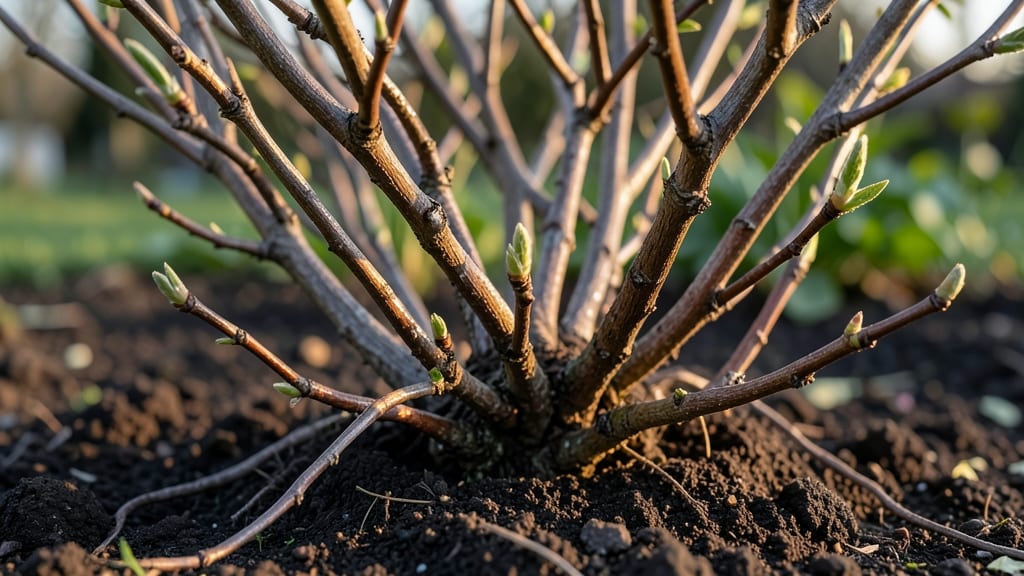
Revitalize your lilac bushes with these pruning techniques that transform weak, sparse sprouts into lush, blooming powerhouses. Master these secrets to extend your lilac’s lifespan and maximize next year’s floral display.
Deadheading Wilted Lilac Flowers

After your lilac tree finishes its stunning spring display, don’t let those faded blooms linger—they’re silently draining energy from your plant. Deadheading wilted flowers redirects that stored energy into next year’s stronger sprouts and more abundant blooms, ensuring your lilac stays vigorous for seasons to come.
Use clean, sharp pruners to snip off spent flower clusters just above a set of leaves or a bud. Avoid cutting into old wood, as lilacs bloom on new growth. For large clusters, trim back to the first healthy leaf node to encourage bushier regrowth. This simple post-bloom maintenance takes just 10 minutes and pays off with fuller, more vibrant flowers next spring.
Perfect for busy gardeners or anyone looking to extend their lilac’s lifespan, deadheading is the easiest way to keep your shrub thriving without heavy pruning. 🌿
Pruning Overgrown Branches in Late Summer

If your lilac bushes look like they’ve lost their structure—long, bare branches stretching outward—late summer is the perfect time to bring them back to life. This isn’t just about tidying up; cutting back one-third of the oldest wood right after blooming triggers new, bushier growth for next season.
Start by identifying the thickest, leggiest branches (usually 3–5 years old) and trim them back to a healthy bud or side shoot. Avoid cutting into old, woody stems—focus on branches with some green growth. Sterilize your pruners with rubbing alcohol between cuts to prevent disease spread. This technique works wonders for sparse lilacs and keeps them from developing a "lazy" shape.
This method is especially valuable for gardeners with mature lilacs that haven’t bloomed as heavily in recent years. By encouraging younger, more vigorous branches, you’ll see fuller foliage and more abundant flowers within just a few seasons. 🌿
Rejuvenating Old Lilac Bushes with Radical Pruning

That woody, overgrown lilac that’s been struggling for years isn’t beyond saving—it just needs a bold reset. Radical pruning cuts the bush back to 6-12 inches above ground, forcing fresh, vigorous sprouts to emerge from dormant buds deep in the roots.
Timing is key: prune in late winter or early spring before new growth begins. Use clean, sharp shears to make angled cuts just above outward-facing buds. While it may look drastic, this method stimulates year-round blooming in just 1-2 seasons by eliminating old, unproductive wood.
Perfect for established lilacs over 10 years old, this technique works wonders for gardeners with neglected bushes or those looking to revive a once-beautiful specimen. Your lilac will thank you with a burst of new life! 🌱
Thinning Dense Growth for Better Airflow

If your lilac bush looks like a tangled mess with branches rubbing together, it’s not just unsightly—it’s a fungal disease waiting to happen. Dense growth traps moisture and blocks sunlight, creating the perfect conditions for powdery mildew and other fungal infections, especially in shaded or humid climates.
To fix this, focus on selective thinning—remove branches that cross or rub against each other, starting with the thickest stems. Aim to open up the center so sunlight can reach the inner sprouts, which will encourage stronger, healthier growth. Use sharp pruners to make clean cuts just above outward-facing buds, and avoid cutting more than 25% of the bush at once to prevent shock.
This technique is a game-changer for gardeners in damp regions or urban areas with limited airflow. By improving circulation, you’ll not only prevent disease but also encourage vibrant blooms and lush foliage. 🌿
Encouraging New Sprouts with Fertilizer Tricks

Struggling with sparse lilac sprouts? The secret lies in early spring fertilization—a strategic boost that wakes up dormant buds before they even emerge. Unlike aggressive pruning, this gentle approach nourishes roots while protecting delicate new growth, setting the stage for a vibrant bloom season.
Opt for a balanced, slow-release fertilizer (like 10-10-10) applied directly to the soil around the base in late March or early April, just as buds begin to swell. For sensitive lilacs, organic alternatives like compost tea (brewed from aged manure or worm castings) provide nutrients without risking chemical burn. Avoid high-nitrogen fertilizers, which can overstimulate leafy growth at the expense of flowers.
This method is ideal for gardeners with established lilacs that need a gentle revival—especially those recovering from neglect or harsh winters. With consistent feeding, you’ll see healthier sprouts and stronger stems ready to support next year’s fragrant blooms. 🌱
Layering Lilac Branches for Propagation

Want to multiply your lilac collection without buying new plants? Layering branches is a simple, low-cost way to turn weak, floppy sprouts into thriving new bushes—no greenhouses or fancy tools required.
Start in early spring or late summer by selecting a low, flexible branch with new growth and no flowers. Bend it down to the soil, creating a gentle slope, and secure it with a U-shaped wire or rock. Keep the soil moist around the bent section, which encourages roots to form within 4-8 weeks. Once roots develop, sever the branch from the parent plant and transplant it.
This method works best for gardeners who love lilacs but hate digging up established plants. It’s especially useful for rare varieties or heirloom lilacs you want to share. Just remember: patience is key—new plants may take a year to bloom, but the reward is worth it! 🌱
Pruning for Flower Shape Control

Transform your lilac from a wild, uneven shrub into a showstopping dome with strategic pruning that controls flower shape. This technique isn’t just about aesthetics—it ensures even blooming across the entire bush, making every stem contribute to that fragrant spring display.
Focus on trimming the outer branches first, shaping them into a gradual curve that meets at the top. Use sharp shears to make clean cuts just above a leaf bud or side branch, avoiding jagged edges that can invite pests. For formal designs, aim for symmetry—cutting slightly more from one side if growth is uneven. This method works best right after blooming (late May to June) when lilacs finish their floral show but before new growth hardens.
Gardeners with formal landscapes or those growing lilacs as focal points will see the biggest impact. Even casual gardeners will love how this simple technique turns chaotic growth into a neat, uniform canopy that blooms beautifully year after year. 🌟
Removing Suckers from the Base

Those skinny, fast-growing shoots popping up at your lilac’s base might look harmless, but they’re suckers—thieves stealing energy from your main branches. Left unchecked, they’ll weaken your plant’s ability to produce those fragrant spring blooms you love.
Remove these unwanted shoots by hand or with pruners in early spring before new growth appears. Cut them at the base to prevent regrowth, and always sterilize your tools with rubbing alcohol to avoid spreading disease. This simple step ensures your lilac’s energy goes toward stronger, more abundant flowers rather than wild, leggy growth.
This technique is a game-changer for gardeners who want healthier lilacs with minimal effort—ideal for those who’ve struggled with sparse blooms or overgrown bushes. 🌱
Winter Pruning for Early Spring Growth

Cold weather doesn’t mean your lilacs have to wait to grow—late winter pruning is the secret to jumpstarting their spring revival. By removing dead wood and shaping the bush before buds swell, you create space for stronger lilac tree sprouts to emerge without competing for sunlight or nutrients.
Focus on cutting back crossing branches and any dead or diseased wood, then lightly trim to maintain the bush’s natural shape. This pre-bloom pruning (done in late February or early March) prevents frost damage to tender new growth while encouraging a fuller, more vibrant bloom cycle next season.
This technique is ideal for gardeners in Zone 5-7 who want to give their lilacs a head start before spring. Just avoid heavy pruning—keep cuts minimal to avoid stressing the plant before its active growing season. 🌱
Reviving Dormant Lilac Sprouts with Watering Hacks

See those stubborn dormant lilac sprouts refusing to wake up? The secret isn’t just watering—it’s deep hydration that mimics natural rainfall without drowning the roots. Unlike shallow sprinkles that evaporate, slow, deep watering (1-2 inches per week) encourages roots to grow deeper, where they’ll find moisture even during dry spells.
Pair this with a 2-3 inch layer of mulch (wood chips or straw) around the base to lock in moisture and regulate soil temperature. Water early in the morning to reduce evaporation, and avoid wetting the leaves to prevent fungal issues. This combo keeps your lilac’s roots consistently hydrated without the risk of over-saturation or rot.
Perfect for gardeners in hot, dry climates or those with forgetful watering habits—this method gives your lilac sprouts the steady hydration they crave while saving you time and effort. Your bushes will thank you with lush, vibrant growth next spring! 💚