
Pruning
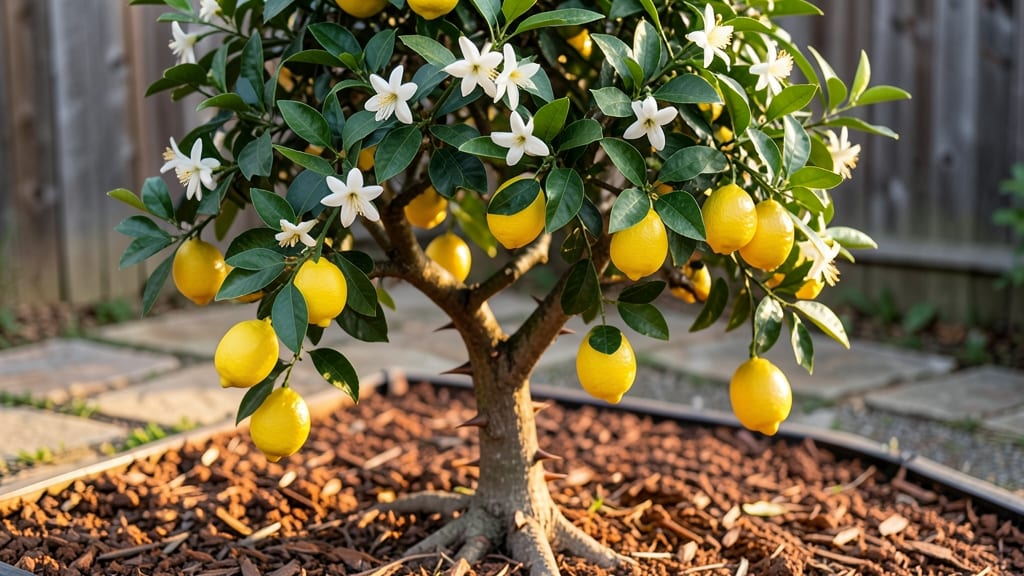
Lemon tree thorns aren't poisonous but can still cause painful scratches and skin irritation. ✂️ I've spent years pruning citrus trees and learned the hard way that these thorns pack a surprising punch—especially when you're reaching for that perfect branch.
The real danger isn't toxicity but the risk of deep punctures that invite infection or allergic reactions in sensitive skin.
These thorns develop as the tree matures, acting like natural armor to protect against pests and harsh winds. While they won't kill you, a careless cut can leave you with red, swollen skin or even a minor infection if the wound gets dirty.
The good news? With the right precautions, you can handle your lemon tree safely—no gloves required, but definitely some smart techniques.
You'll protect yourself by wearing long sleeves, using pruning shears instead of your hands, and cleaning any scratches immediately with soap and water. For deeper punctures, I keep a small first-aid kit with antiseptic wipes nearby—it's saved me from more than one itchy afternoon.
The key is working methodically, not rushing, and always keeping your tools sharp to avoid accidental slips.
This approach works for all citrus trees, whether you're shaping a Meyer lemon or a full-sized Eureka. The same principles apply whether you're pruning for shape, harvesting fruit, or just trying to keep the tree healthy. Let's make sure your lemon tree stays productive—and your skin stays intact.
Understanding Thorn Toxicity Risks
Lemon tree thorns may seem harmless at first glance, but their potential to cause skin irritation or allergic reactions stems from a mix of biological, chemical, and environmental factors.
Below, we break down the key reasons why these thorns can pose a hazard—and how to recognize the risks before they become a problem.
Lemon trees (especially Citrus limon varieties) evolve sharp thorns as a built-in survival tool. These thorns serve as a physical barrier against herbivores, pests, and even human interference. From a botanical perspective:
- Evolutionary adaptation: Thorns contain vascular bundles that deliver toxins or irritants when puncturing skin, deterring predators. Some studies suggest these may include citric acid or limonoids, compounds that can trigger localized inflammation.
- Prickly leaf margins: Not all thorns are equal—some lemon trees have serrated edges on leaves or stems, which can abrade skin while pruning, increasing exposure to sap or oils.
- Sap composition: The sticky resin (often yellowish) exuded when thorns break contains psoralens—photosensitizing compounds that, when combined with sunlight, can cause phytophotodermatitis (a painful, blistering reaction).
Beyond physical injury, the real danger lies in the chemical cocktail released when thorns puncture skin. Here’s what’s at play:
| Compound | Effect on Skin | Severity Level |
|---|---|---|
| Citric Acid | Mild acidity can cause stinging, redness, or dryness, especially in sensitive skin. | Low to Moderate |
| Limonoids (e.g., Nomilin) | May trigger allergic contact dermatitis in susceptible individuals, leading to itching or hives. | Moderate |
| Psoralens (Furocoumarins) | Absorbed into skin, then activated by UV light, causing severe burns or blisters (phytophotodermatitis). | High (with sun exposure) |
| Volatile Oils (e.g., D-Limonene) | Can act as skin sensitizers, exacerbating reactions over time or causing long-term irritation. | Moderate to High (for frequent handlers) |
Pro Tip: 💡 If you notice yellowish sap on your skin after contact, wash immediately with soap and avoid sun exposure for 48 hours to prevent phytophotodermatitis.
The majority of thorn-related incidents aren’t due to the tree’s biology alone—they’re often the result of how we interact with it. Common human factors include:
- Improper pruning techniques: Using dull tools or rushing cuts can crush thorns, forcing sap deeper into the skin. Always use sharp, sterilized pruners and wear gloves.
- Ignoring protective gear: Bare hands or loose clothing (like long sleeves) increase the risk of accidental punctures. Heavy-duty gardening gloves with wrist cuffs are non-negotiable.
- Sun exposure after contact: Even a minor thorn scratch can become dangerous if you’re outdoors later. Psoralens need UV light to trigger reactions—so reapply sunscreen liberally if working near lemon trees.
- Allergic predisposition: People with latex allergies or a history of plant dermatitis (e.g., poison ivy) may react more severely to lemon tree sap.
Warning: ⚠️ Children and pets are at higher risk because they’re less likely to use protective gear. Always supervise them around thorny trees.
Heat, humidity, and even the time of year can amplify the toxicity of lemon tree thorns. Here’s how:
- Hot, sunny days: Psoralens become more active in direct sunlight. Prune in the early morning or late afternoon to minimize risks.
- High humidity: Moisture can dilute the sap, making it stickier and harder to remove—prolonging skin exposure.
- Dormant vs. active growth: Thorns are harder and more brittle in winter, increasing the chance of snapping and releasing sap. Wear extra protection during dormant-season pruning.
- Pesticide residue: If the tree has been treated with chemicals, thorn punctures can introduce additional irritants into the skin.
Actionable Tip: 🌡️ Use a fan or misting spray while pruning to reduce sweat (which can open pores and increase absorption of irritants).
Quick Fixes for Thorn-Related Skin Issues
Dealing with lemon tree thorns can leave you with painful pricks, redness, or even infections—but don’t worry! Here’s how to address the problem fast, whether you’re dealing with immediate pain, swelling, or long-term skin irritation.
If you’ve already been stung, act quickly to minimize discomfort and prevent infection.
- Clean the wound 🧼
- Wash the affected area with mild soap and warm water for at least 30 seconds to remove dirt and bacteria.
- Pat dry with a clean towel—don’t rub!
- Stop the bleeding 🩹
- Apply gentle pressure with a sterile gauze pad until bleeding stops (usually 1-2 minutes).
- Reduce swelling & pain ❄️
- Hold an ice pack wrapped in a cloth on the area for 10-15 minutes to numb pain and shrink swelling.
- Pro tip: If ice isn’t available, a cold, damp cloth works too!
- Prevent infection 💊
- Apply an antiseptic ointment (like Neosporin) and cover with a bandage if the prick is deep.
- For minor pricks, a hydrocolloid bandage (like those for blisters) can keep it protected.
If your skin is itchy, red, or inflamed after repeated exposure, try these gentle, at-home solutions:
| Remedy | How to Use | Why It Works |
|---|---|---|
| Aloe Vera Gel 🌱 | Apply directly to the skin 2-3x daily | Soothes inflammation, cools skin, and speeds healing |
| Honey (Raw) 🍯 | Dab a small amount on the prick, cover with a bandage | Natural antibacterial properties fight infection |
| Baking Soda Paste 🧂 | Mix 1 tsp baking soda + enough water to form a paste; apply for 10 mins | Neutralizes skin irritation and reduces itching |
| Tea Tree Oil (Diluted!) 🌿 | Mix 1 drop with 1 tsp carrier oil (like coconut oil), dab on skin | Antifungal & antibacterial—great for preventing infection |
⚠️ Warning: Never apply undiluted tea tree oil or lemon juice directly to broken skin—it can sting and worsen irritation!
The best way to avoid lemon tree thorn poison (or at least minimize risks) is to plan ahead before pruning or working near the tree.
- Wear protective gear 🛡️
- Gloves (thick leather or gardening gloves with cuffs)
- Long sleeves & pants (lightweight, breathable fabric)
- Safety goggles (to protect your eyes from flying thorns)
- Use the right tools ✂️
- Pruning shears with long handles (reduces close contact with thorns)
- A pruning saw for thicker branches (less hand strain = fewer accidental pricks)
- A drop cloth under the tree to collect fallen thorns
- Prune smart ⏰
- Work during daylight—better visibility = fewer missed thorns.
- Start from the top and work downward to avoid standing under heavy branches.
- Cut just above a bud or branch (proper pruning = fewer regrowth thorns).
- Train the tree 🌿
- If your lemon tree is young, guide its growth along a trellis or fence to keep branches away from walking paths.
- Remove water sprouts (fast-growing, thorny shoots) regularly—they’re the worst offenders!
Most thorn pricks heal on their own, but seek medical help if you experience:
- Signs of infection (pus, increasing redness, warmth, or fever)
- A deep or embedded thorn (especially if it won’t come out easily)
- Allergic reaction (difficulty breathing, swelling beyond the prick site, dizziness)
💡 Pro Tip: If you’re pruning near a lemon tree regularly, keep a first-aid kit (antiseptic wipes, bandages, tweezers, and hydrocortisone cream) handy just in case!
By following these steps, you’ll minimize pain, prevent infections, and keep your skin safe—so you can enjoy your lemon tree without the ouch! 🍋✨
Frequently asked questions
Are lemon tree thorns actually poisonous?
The thorns themselves aren't poisonous, but they can cause skin irritation and allergic reactions. The real danger comes from the yellowish sap they release when broken, which contains psoralens that cause painful reactions when exposed to sunlight. Always wash pricks immediately with soap and water to remove residue.
What should I do if a thorn gets stuck under my skin?
Don't try to dig it out with unsterilized tools. Instead, wash the area thoroughly, then use sterile tweezers to gently pull it out at a shallow angle. If the thorn is deep or you can't remove it completely, see a doctor to avoid infection. Apply an antiseptic ointment afterward.
Can lemon tree thorns cause long-term skin problems?
Repeated exposure may lead to allergic contact dermatitis or sensitized skin, especially if you have existing allergies. The compounds in the sap (like limonoids) can build up over time. If you notice persistent redness, itching, or swelling after pruning, consider wearing thick gardening gloves or taking breaks between sessions.
How can I protect my kids or pets from thorns?
Keep children and pets at a safe distance from lemon trees during pruning. For kids, teach them to never touch the tree without supervision. For pets, create a physical barrier (like a fence) around the tree. If your pet gets pricked, wash the area immediately and monitor for signs of infection like excessive licking or swelling.
Will pruning remove thorns permanently?
No, pruning won't eliminate thorns completely—they're a natural defense mechanism. However, you can reduce their growth by removing water sprouts (fast-growing, thorny shoots) and training branches away from high-traffic areas. Regular pruning in late winter helps maintain a more manageable tree structure.