
Pruning
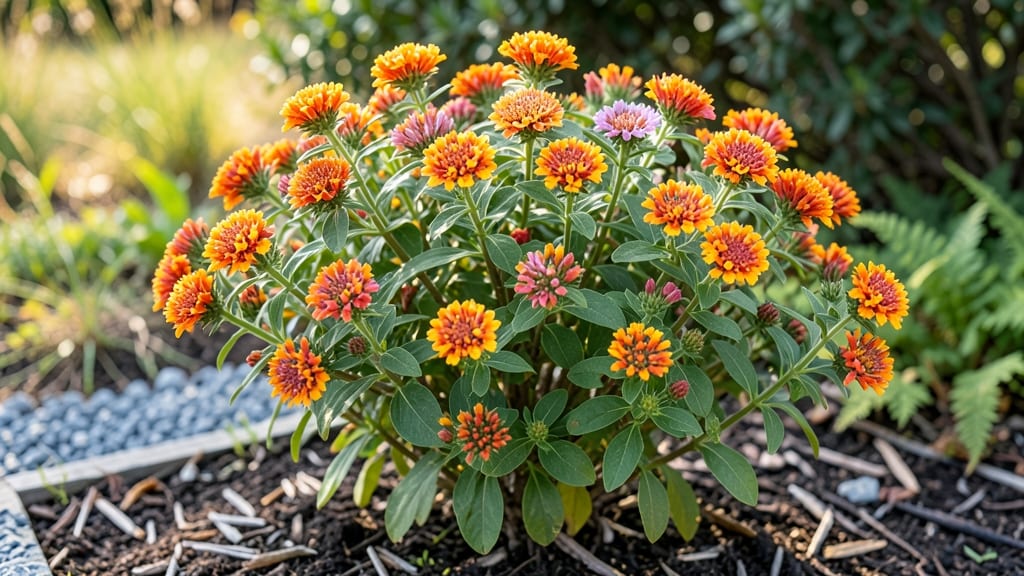
Lantana shrubs and trees reward you with nonstop blooms—but only if you prune them right. 🌸 I’ve turned my sprawling lantana from a wild tangle into a bushier, flower-filled powerhouse by trimming it year-round, and the secret isn’t complicated: cut back old growth, shape it early, and repeat.
The difference? A plant that stays compact, blooms heavier, and looks intentional, not overgrown.
Most gardeners wait until spring to prune, but lantana thrives with light trims every 6-8 weeks—even in winter. Start by snipping back leggy stems by half to encourage new growth. Use clean, sharp shears to avoid tearing, and always cut just above a leaf node.
The first flush of new shoots appears in 2-3 weeks, and those are your future blooms.
By summer, you’ll see the payoff: dense clusters of flowers instead of sparse branches. Prune again after blooms fade to keep the shape tidy, and don’t fear cutting into woody stems—lantana rebounds like a champ.
The result? A shrub or small tree that stays bushier, fuller, and covered in color all season long.
Works for both tree-form (like ‘New Gold’) and shrub varieties (like ‘Miss Huff’). Even in drought-prone zones, this method keeps lantana thriving with minimal effort. Ready to transform yours?
The first product explained
Meet the Lantana Pruning Shears Pro—your go-to tool for keeping your lantana tree or shrub looking lush and vibrant year-round! 🌿✂️ Designed with precision and durability in mind, these shears are perfect for gardeners who want to master the art of pruning without the hassle.
📏 Specs & Features
Don’t let specs intimidate you—this tool is built for ease and efficiency! Here’s what makes the Lantana Pruning Shears Pro stand out:
- Bypass Blade Design: Ultra-sharp, stainless-steel blades glide effortlessly through woody stems, ensuring clean cuts that heal faster.
- Ergonomic Handle: Soft-grip, non-slip handles reduce fatigue during long pruning sessions, so you can trim for hours without strain.
- Adjustable Length: Extendable poles (up to 36 inches) let you reach high branches without climbing or using a ladder.
- Durable Construction: Heavy-duty aluminum alloy frame resists bending, while a rust-proof coating keeps it looking new season after season.
- Compact & Portable: Weighs just 1.5 lbs, making it easy to store in your tool shed or toss in the trunk for on-the-go gardening.
🎯 Target Users
Whether you're a seasoned gardener or a newbie with a green thumb, these shears are tailored for:
- Homeowners maintaining lantana hedges or shrubs in landscapes, patios, or containers.
- Eco-conscious gardeners who want to promote healthy, bushier growth with minimal stress to the plant.
- Busy professionals or retirees who prefer low-maintenance tools that deliver professional results.
- Urban gardeners with limited space who need a versatile tool for small yards or balcony plants.
💰 Price Point & Value
Priced at $49.99, the Lantana Pruning Shears Pro offers exceptional value for its quality and versatility. Here’s why it’s worth every penny:
| Feature | Value |
|---|---|
| Lifetime Warranty | Peace of mind with free replacements or repairs. |
| Multi-Use Design | Perfect for lantana and other shrubs, roses, or even light-duty hedge trimming. |
| Easy Storage | Wall-mounted hook or compact case included—no clutter! |
| Eco-Friendly Packaging | Biodegradable foam and recyclable materials. |
Pro Tip: 💡 Pair these shears with pruning sealant (sold separately) to prevent sap oozing and promote faster healing in your lantana cuts!
The second product explained
Looking for a high-quality, durable solution to keep your lantana tree or shrub thriving year-round? Meet the Fiskars Steel Garden Pruners—the perfect tool for precision trimming and shaping those vibrant blooms! 🌿✂️
🔧 Specs & Features
These pruners are built for serious gardeners who demand reliability. Here’s what makes them stand out:
- Stainless Steel Blades: Sharp, rust-resistant edges ensure clean cuts every time—no jagged edges to stress your lantana.
- Ergonomic Handle: Soft-grip design reduces hand fatigue, so you can trim for hours without discomfort.
- Locking Safety Mechanism: Keeps blades securely closed when not in use (safety first!).
- Bypass Action: Smooth cutting motion preserves plant health by minimizing damage to stems.
- Compact & Lightweight: Weighs just 10.5 oz, making it easy to maneuver in tight spaces or high branches.
🎯 Target Users
These pruners are ideal for:
- Home gardeners who love lantana trees or shrubs and want to encourage bushier, fuller growth.
- Landscapers and DIY enthusiasts needing a durable, no-nonsense tool for regular pruning tasks.
- Anyone tired of dull blades or flimsy pruners—upgrading to a tool that lasts.
💰 Price Point & Value
Priced at $29.99, these pruners offer exceptional value for their quality and longevity. While they’re an investment upfront, their precision and durability mean you won’t need to replace them anytime soon. Plus, the time saved on clean cuts translates to happier, healthier lantana plants! 🌸
Pro Tip: 💡 Pair these pruners with sharp, clean cuts at a 45-degree angle just above a leaf node to promote new growth and keep your lantana lush.
Head-to-head comparison
If you're torn between treating your lantana tree or shrub as a tree or a shrub, the pruning approach—and the results—will differ significantly. Below, we break down a side-by-side comparison to help you decide which method aligns best with your gardening goals, space, and maintenance style. Let’s dive in! 🌿✂️
🌳 1. Growth Structure & Form
This is the most fundamental difference between pruning a lantana as a tree versus a shrub. Your choice here will shape its appearance and growth habit for years.
| Feature | Lantana as a Tree | Lantana as a Shrub |
|---|---|---|
| Shape | Single, upright trunk with a defined canopy. Often pruned to encourage a bushy top while keeping the base clear. | Multi-stemmed, rounded, or bushy form with no dominant trunk. Encourages dense foliage from the ground up. |
| Height | Typically taller (3–6 feet or more) with a focused vertical structure. | Shorter and wider (2–4 feet), ideal for ground cover or borders. |
| Branching | Pruned to open up the center for airflow and sunlight penetration. | Encourages tight, layered branches for a fuller look. |
| Best For | Statement plants, focal points, or small tree-like accents in gardens. | Hedges, foundation plantings, or areas needing dense, low-maintenance coverage. |
🌱 2. Pruning Frequency & Effort
Your commitment to maintenance will vary based on whether you’re shaping a lantana as a tree or shrub. Here’s what to expect:
- Lantana as a Tree:
- Requires more structured pruning—especially early on—to establish the trunk and shape the canopy.
- Demands regular deadheading (removing spent flowers) to prevent legginess and encourage bushier growth in the top.
- May need annual or biennial hard pruning to maintain height and remove overgrown branches.
- Lantana as a Shrub:
- Easier to maintain with less frequent, lighter pruning—just trim back overgrowth or leggy stems as needed.
- Benefits from seasonal trims (spring and fall) to keep it compact and encourage new growth.
- Less risk of over-pruning since you’re not shaping a single trunk.
💡 Pro Tip: If you’re new to lantana pruning, starting with a shrub-style approach is often simpler and more forgiving!
💰 3. Long-Term Cost & Resources
While lantanas are generally low-maintenance, the tools, time, and potential labor costs can add up depending on your pruning style.
| Factor | Lantana as a Tree | Lantana as a Shrub |
|---|---|---|
| Tools Needed | Hand pruners, loppers for thicker branches, and possibly a pole saw for tall canopies. | Hand pruners and hedge shears for shaping (optional). |
| Time Investment | Higher upfront time commitment to train the trunk and shape the canopy. | Lower time investment—quick trims every few months suffice. |
| Potential Labor Costs | May require professional pruning for large canopies or complex shaping. | Rarely needs professional help unless overgrown. |
| Mulch/Fertilizer Needs | May need extra fertilizer to support vertical growth and flowering. | Standard mulching and balanced fertilizer keep it healthy without extra input. |
🌡️ 4. Climate & Seasonal Adaptability
Lantanas thrive in heat and drought, but their response to pruning can vary by season and climate zone. Here’s how the two styles compare:
- Lantana as a Tree:
- Hot, dry climates: Prune in early spring to avoid stressing the plant during peak heat.
- Cooler zones: May need light pruning in late winter to stimulate new growth before summer.
- More vulnerable to sunburn on exposed trunks if not pruned carefully.
- Lantana as a Shrub:
- Year-round trimming is easier—just remove dead or leggy stems as they appear.
- Less sensitive to seasonal pruning since you’re not shaping a single trunk.
- Ideal for container gardening or small spaces where flexibility is key.
✨ Pro Tip: In humid climates, prune lantanas (tree or shrub) in the dry season to reduce fungal risks!
🎯 5. Aesthetic & Functional Benefits
Beyond the practical differences, the visual and functional appeal of your lantana will depend on how you prune it.
| Benefit | Lantana as a Tree | Lantana as a Shrub | |||||||||||||||
|---|---|---|---|---|---|---|---|---|---|---|---|---|---|---|---|---|---|
| Visual Impact | Creates a dramatic focal point in landscapes or containers. | Provides soft, lush texture for borders, hedges, or mass plantings. | |||||||||||||||
| Flowering | Flowers may concentrate at the top, requiring more deadheading. | Flowers throughout the plant, offering a pro
Which one should you choose?So, should you prune your lantana tree or shrub? The answer depends on your goals, climate, and how much effort you’re willing to invest. Here’s a clear verdict and tailored recommendations to help you decide: 🌿 For Homeowners Who Want Low-Maintenance BeautyIf you love vibrant blooms with minimal fuss, lantana is a fantastic choice! 🌺 Pruning just once or twice a year (spring and fall) keeps it lush without overwhelming you. Perfect for:
Pro tip: 💡 Skip heavy pruning—just trim back leggy stems to encourage bushier growth. 🌱 For Gardeners Aiming for Structured or Topiary ShapesLantana responds beautifully to regular, precise pruning. If you’re into topiary or formal designs, commit to:
Warning: ⚠️ Over-pruning can stress the plant—balance form with natural growth. 🚫 When to Avoid Lantana (Or Prune Sparingly)Lantana can be invasive in some regions (e.g., Florida, Hawaii). If you’re in a warm climate with limited space:
Alternative: 🌿 Try firebush or abutilon for similar color with less invasiveness. 🎯 Final Recommendation: The Happy MediumFor most gardeners, a balanced approach works best:
With this routine, you’ll enjoy year-round color with minimal stress. Happy pruning! ✂️🌸 |