
Trees
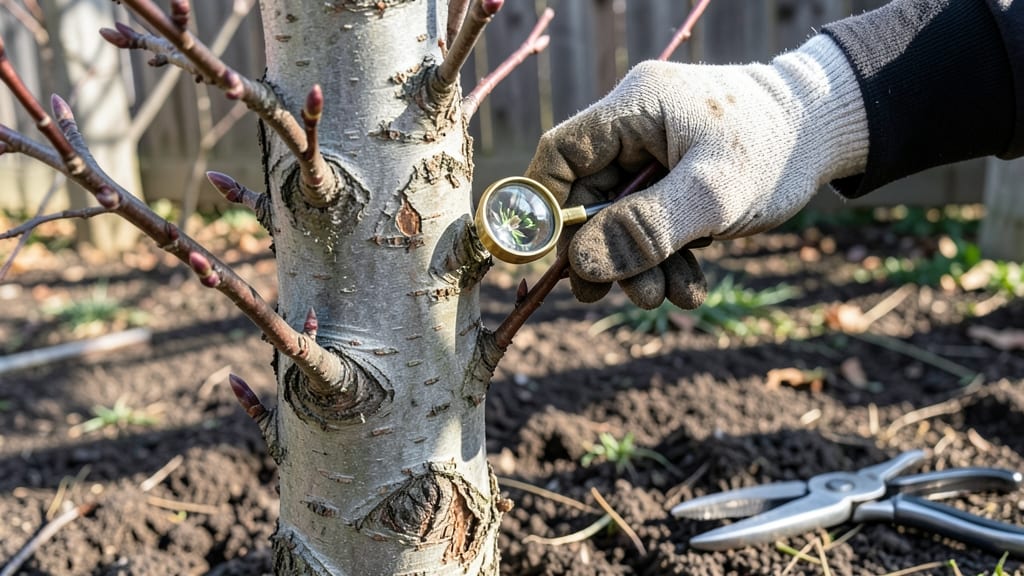
A tree with no leaves isn’t always dead—Is a tree dead if it has no leaves? Sometimes it’s just resting. 🌳 I’ve seen maples, oaks, and birches go completely bare in winter, only to burst back to life when spring arrives.
But how do you tell if it’s dormant or dying? The answer lies in the bark, branches, and timing of the leaf loss.
Seasonal dormancy is normal, especially in deciduous trees, but sudden leaf drop in spring or summer signals trouble. Check the bark for cracks, oozing sap, or fungal growth—these are red flags.
Flex a small branch: if it snaps like dry kindling, the tree may be beyond saving. Healthy branches bend slightly before breaking.
If the tree is alive but struggling, watering deeply (especially during drought) and mulching can help. Prune dead branches in late winter, but avoid heavy pruning if the tree is already stressed. For persistent issues, an arborist can diagnose deeper problems like root rot or pest infestations.
Don’t panic—many trees rebound with proper care. Start with a simple check: scratch a small area of bark. Green underneath? It’s alive. Brown and brittle? Time to call in reinforcements. Every tree has a story, and sometimes all it needs is a little patience and care.
Natural Triggers Behind Leaf Loss
When a tree sheds its leaves, it’s rarely a sign of immediate death—unless it’s a tropical species that thrives on evergreen foliage. Instead, leaf loss is often a survival strategy or a response to environmental stress.
Understanding the root causes (literally and figuratively) can help you tell whether your tree is simply resting or in trouble. Here’s why it happens, broken down by the most common culprits:
For most deciduous trees (think oaks, maples, and birches), losing leaves is a biological reset button. As temperatures drop and daylight shortens, trees enter dormancy, a state of suspended growth to conserve energy. Here’s the science:
- Hormonal Shift: Trees produce abscisic acid, a hormone that signals leaf cells to form a separation layer (called the abscission layer). This layer cuts off nutrients to the leaf, causing it to detach cleanly. Think of it like a natural "shedding" process—efficient and painless for the tree.
- Nutrient Recycling: Before leaves fall, the tree reclaims up to 60% of their nutrients (like nitrogen and phosphorus) and stores them in roots or stems for spring. This is why fallen leaves are a goldmine for gardeners—compost them to return those nutrients to the soil!
- Frost Protection: Bare branches reduce water loss in freezing temps, preventing cavitation (air bubbles forming in xylem vessels, which can block water transport). It’s like the tree putting on a winter coat.
💡 Pro Tip: If your tree drops leaves in autumn and regrows them in spring, it’s not dead—it’s just napping. But if it’s evergreen (like a pine or spruce) and loses needles, that’s a red flag.
Extreme heat, drought, or even pollution can force a tree to drop leaves prematurely as a last-resort survival tactic. Unlike dormancy, this isn’t a seasonal rhythm—it’s a cry for help. Here’s how it plays out:
| Stressor | How It Affects the Tree | What to Watch For |
|---|---|---|
| Drought | Soil moisture drops below 30% of field capacity, and the tree can’t pull water from roots. Leaves wilt, then fall to reduce water loss. | Crispy, brown edges on leaves; soil pulling away from roots; no new growth despite watering. |
| Heatwave | Temperatures above 90°F (32°C) for days can scorch leaves. Trees may drop them to minimize damage to the canopy. | Sunburn-like spots (tan or white patches); leaves curling or dropping suddenly. |
| Pollution/Smog | Ozone and particulate matter clog stomata (leaf pores), blocking gas exchange. Trees shed leaves to "reset" their respiratory system. | Yellowing between leaf veins; stunted growth; common in urban areas. |
✨ Actionable Fix: For drought-stressed trees, deep watering (1–2 inches per week) and mulching (2–4 inches of organic mulch) can help retain moisture. If pollution is the issue, consider planting air-purifying species like sycamores or ginkgo trees nearby.
When insects or pathogens attack, they often target leaves first—either by consuming them or disrupting their function. Here’s how to spot the difference:
🐜 Insect Infestations: The Hungry Invaders
- Caterpillars (e.g., tent caterpillars): Spin silken nests in branches and devour leaves. Heavy infestations can defoliate a tree in weeks.
- Aphids/Scale Insects: Suck sap from leaves, causing them to curl, yellow, and drop. They also excrete honeydew, a sticky residue that fosters sooty mold.
- Japanese Beetles: Skewer leaves with their mouthparts, creating a "lace-like" pattern before they fall.
🔥 How to Confirm: Look for frass (insect poop), chewed edges, or webs. Shake branches over a white sheet—if bugs rain down, you’ve found your culprit.
🦠 Fungal and Bacterial Attacks: The Invisible Saboteurs
- Anthracnose: A fungal disease that causes dark, sunken spots on leaves, leading to premature drop. Thrives in wet springs.
- Verticillium/Wilt: A soil-borne fungus that clogs xylem vessels, cutting off water. Leaves wilt and die, even if roots are healthy.
- Bacterial Leaf Spot: Creates greasy, water-soaked lesions that expand rapidly. Often spreads via rain splatter.
🎯 Prevention: Prune infected branches 12 inches below the damage (fungus/bacteria often hide in dead wood). Apply copper fungicide in spring if fungal diseases are recurrent.
⚠️ Warning Sign: If more than 50% of leaves fall in one season without regrowth, or if you see oozing sap, cankers (sunken wounds), or dieback (dead branches), your tree may be beyond dormancy—it’s in decline.
How to solve it
A leafless tree isn’t always a lost cause—it’s often a sign of temporary stress or seasonal change. Whether your tree is dormant, struggling, or recovering, these targeted solutions can help it bounce back.
Below, we break down the most common causes of leaf loss and actionable steps to restore your tree’s health, from quick fixes to long-term care.
Fix: Wait and observe—this is usually nature’s way of conserving energy.
If your tree loses leaves in late fall or winter, it’s likely entering dormancy, a survival strategy for cold or dry conditions. Most deciduous trees (like oaks, maples, and birches) shed leaves annually, while evergreens may drop needles in extreme drought or frost.
- 🔍 Check the season: If it’s autumn or winter, your tree is probably just resting. Leaves should return in spring.
- 💧 Monitor moisture: Even dormant trees need some water during dry spells. Give the soil a light drink (about 1 inch of water every 2–3 weeks) unless frost is expected.
- 🌡️ Protect from harsh weather: Young or weak trees benefit from a light layer of mulch (2–3 inches) around the base to insulate roots.
💡 Pro Tip: Evergreens like pines or spruces may lose needles in winter but should not appear brown or brittle. If they do, check for pest infestations or disease.
Fix: Adjust care to reduce stress and encourage regrowth.
Extreme heat, drought, or strong winds can force trees to shed leaves as a defense mechanism. Without intervention, prolonged stress can weaken the tree permanently.
Symptom
Solution
Bare branches but green twigs remain
💧 Deep watering: Soak the root zone (not just the surface) every 7–10 days. Use a soaker hose or drip irrigation to avoid runoff. Test soil moisture: Stick your finger 2–3 inches deep—if it’s dry, water again.
Wilting or yellowing leaves (even in winter)
🌡️ Shade relief: If your tree is in a hot, sunny spot, provide temporary shade with a lightweight cloth or move potted trees to a cooler area. Avoid plastic covers, which trap heat.
Leaves crunchy or brittle to the touch
🌬️ Wind protection: If your tree is in a windy area, install a flexible tree guard (like burlap or mesh) to reduce stress. Avoid rigid barriers, which can cause damage.
✨ Prevention Tip: Improve soil health with organic matter (compost or aged manure) to help roots retain moisture. For container trees, ensure drainage holes are clear and repot if roots are circling.
Fix: Identify the pest and treat it before it spreads.
Pests like aphids, borers, or spider mites can strip a tree of leaves by feeding on sap or laying eggs in bark. Early action is key—delaying treatment can kill the tree.
- 🔍 Inspect for signs:
- Sticky residue (honeydew) on leaves or bark = aphids/scale.
- Sawdust-like frass near holes in bark = borers.
- Fine webbing on undersides of leaves = spider mites.
- 🛡️ Treat naturally first:
- 🍊 Horticultural oil or neem oil: Spray on a calm day (avoid direct sun). Reapply every 7–14 days. Test a small branch first to check for sensitivity.
- 💦 Water blast: For aphids, spray leaves with a strong stream of water to dislodge them.
- 🐝 Beneficial insects: Introduce ladybugs or lacewings, which prey on pests.
- 🚨 Call a pro if: You see large exit holes (borers) or massive leaf drop. Severe infestations may require systemic pesticides.
🎯 Prevention Tip: Keep your tree healthy and stressed-free—pests target weak trees. Prune to improve airflow, and avoid over-fertilizing, which attracts sap-sucking insects.
Fix: Isolate the tree and treat the root cause.
Fungal diseases (like anthracnose or root rot) or bacterial infections (such as fire blight) can cause rapid leaf loss. Unlike pests, diseases often leave visible signs like spots, cankers, or oozing sap.
Disease Signs
Action Plan
Brown, crinkled leaves with yellow edges
🌿 Fungicide treatment: Use a copper-based fungicide (like Bordeaux mixture) or baking soda spray (1 tsp baking soda + 1 quart water + a drop of dish soap). Apply every 10–14 days.
Oozing cankers on bark (black, wet spots)
🔪 Prune infected branches: Cut 6 inches below the canker with sterilized shears. Dispose of infected wood off-site. Avoid wound dressings—they trap moisture.
Mushrooms or conks at the base
🌧️ Improve drainage: Root rot thrives in soggy soil. Raise the tree’s base with gravel or create a swale to divert water. Avoid overwatering.
💡 Pro Tip: Sterilize pruning tools with rubbing alcohol between cuts to prevent spreading disease. For bacterial infections (like fire blight), remove and destroy all infected parts immediately.
Fix: Test soil and amend as needed for a nutrient boost.
If your tree’s leaves turn yellow (not just fall off) or the soil looks compacted, it may be starving for essential nutrients. Common deficiencies include nitrogen, iron, or magnesium
Frequently asked questions
Can a tree survive without leaves for years?
Deciduous trees can survive bare for months during dormancy, but prolonged leaflessness (beyond one growing season) usually signals trouble. Evergreens should never be completely bare—if they lose needles for more than two years, they're likely dying. Check for green under the bark when scratched: if present, the tree may still recover with proper care.
Why does my tree have no leaves in spring?
Springtime leaf loss almost always means stress—not dormancy. Check for drought cracks in soil or yellowing buds that never opened. Common causes: root damage (from construction or compacted soil), over-pruning, or late frost that burned new growth. Water deeply (1-2 inches per week) and monitor for new buds within 2-3 weeks.
How can I tell if a bare tree is dead or just dormant?
Do this 3-step test:
- Scratch the bark—green underneath means life;
- Bend small branches—flexible = alive, brittle = dead;
- Check for buds (even tiny ones). If it passes all three, it's dormant. For evergreens, look for new needle growth in spring—if none appears after 6 weeks, it's likely dead.
Will my leafless tree regrow leaves if I water it more?
Water alone won't fix the problem unless the tree is severely drought-stressed. First identify the cause: disease (fungal spots), pests (sawdust-like frass), or nutrient deficiency (yellowing leaves). Watering helps, but pair it with mulching (2-3 inches) and targeted treatments. For example, aphids need horticultural oil, while root rot requires improved drainage.
Can I prune a bare tree to encourage new growth?
Only prune dead branches—never more than 25% of the canopy at once. Cut just outside the branch collar (the swollen area where branch meets trunk). Avoid heavy pruning in late summer/fall, as it stresses the tree. For leafless trees, focus on removing dieback (dead wood at branch tips) to redirect energy to healthy growth.