
Pruning
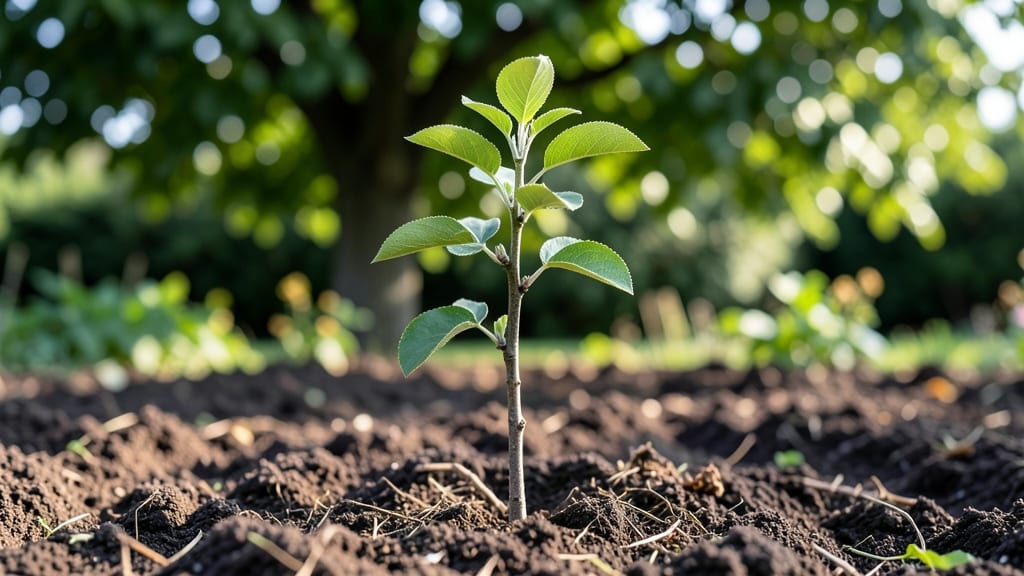
The identification of an apple tree seedling starts with one simple trick: the shape of its leaves. 🌱 I’ve learned that a single glance at the serrated edges and vein pattern can tell you whether you’ve got a future Honeycrisp or just another wild crabapple—no fancy tools needed.
Most true apple seedlings have oval leaves with fine teeth along the edges and a slightly pointed tip. The stems often have a hairy texture when young, and the bark stays smooth longer than other fruit trees.
Crabapples, on the other hand, tend to have smaller, rounder leaves and a more rugged bark. Once you’ve identified your seedling, sourcing it from a reputable nursery or grafting it onto a dwarf rootstock (like M.9) ensures better fruit quality.
Even young trees need full sun, consistent watering, and a balanced fertilizer to grow strong—skipping these steps means weak branches and poor harvests later. This method works for any climate, but cold-hardy varieties like Granny Smith or McIntosh seedlings thrive best in zones 4-7.
Start with a handful of seedlings, and you’ll have a mini orchard in just a few years!
Root Causes of Misidentifying Seedlings
Misidentifying apple tree seedlings can happen for several scientific and human-error reasons. Understanding these causes helps you spot clues more accurately and avoid costly mistakes. Here’s why it happens—and how to fix it:
Apple trees grown from seeds (rather than grafts) are not true to type, meaning they won’t replicate the parent tree’s traits.
This is due to: - Cross-pollination: Apple flowers are often pollinated by bees carrying pollen from unrelated varieties, creating unpredictable genetic mixes. - Random trait expression: Seedlings inherit a mix of traits from both parents, leading to wildly different leaf shapes, stem textures, or growth habits. - Juvenile vs. mature traits: Young seedlings may display features (like serrated leaves or slow growth) that change drastically as they mature.
Actionable fix: If you’re relying on seed-grown saplings for identification, expect surprises. For consistent varieties, opt for grafted trees from nurseries.
Apple tree leaves vary even within the same variety due to:
- Environmental stress: Drought, poor soil, or pests can distort leaf shape (e.g., curled edges, yellowing).
- Seasonal changes: New spring leaves are often softer and less lobed than mature summer leaves.
- Disease or nutrient deficiencies: Powdery mildew, apple scab, or iron chlorosis can alter leaf color and texture, mimicking different varieties.
Actionable fix:
- Compare leaves to reference guides (like the Cornell Apple Leaf Guide).
- Check multiple leaves on the same branch—consistency is key.
- Note vein patterns (e.g., "V"-shaped vs. parallel veins) for finer distinctions.
Stems and bark are often overlooked but hold critical clues.
Common pitfalls include: - Thorn presence/absence: Some crabapple seedlings have thorns, while commercial apples often don’t—but hybrids (like ‘Liberty’) may have sparse thorns. - Bark texture: Young bark can be smooth or rough, but lenticels (pores) vary by variety (e.g., ‘Granny Smith’ has prominent lenticels). - Growth habit: Seedlings may grow in odd patterns (e.g., weeping branches) due to genetic quirks, not variety traits.
Actionable fix:
- Use a magnifying glass to inspect bark texture and lenticel patterns.
- Look for bud shapes: Round buds (common in ‘McIntosh’) vs. elongated buds (like ‘Gala’).
- Compare to mature tree databases (e.g., University of Minnesota’s Apple ID Guide).
Even experienced growers misidentify seedlings because:
- Over-reliance on one trait: Focusing only on leaf shape (e.g., lobed vs. smooth) ignores stem, fruit, or rootstock clues.
- Ignoring the big picture: A single seedling’s traits may not represent the whole tree’s potential.
- Seasonal bias: Judging a tree in winter (based on bark alone) vs. summer (leaf and fruit) leads to contradictions.
Actionable fix:
- Take photos of leaves, stems, and buds from multiple angles.
- Wait for fruit (if possible)—apple varieties are often identified by fruit shape, color, and skin texture.
- Consult local experts: Extension offices or orchardists can verify traits you’re unsure about.
Pro Tip 💡: Keep a field notebook with sketches of key traits (leaf serration depth, stem hairiness, etc.) to track patterns over time. Digital apps like iNaturalist or PictureThis can also help cross-reference identifications.
Fixing Common Apple Seedling Mix-Ups
Identifying apple tree seedlings can be tricky, especially when young plants share similar leaf shapes or stems. But don’t worry—with the right approach, you can correct misidentifications and ensure your seedlings thrive.
Below are practical solutions tailored to the most common causes of confusion, along with prevention tips to avoid future mistakes.
Cause: Young seedlings often have leaves that resemble multiple varieties, making it hard to distinguish them accurately.
How to Fix It:
- 🔍 Examine Leaf Arrangement & Vein Patterns
- Count the number of leaflets (simple vs. compound leaves). For example, Honeycrisp has smooth-edged leaves with fine serrations, while Granny Smith leaves are more elongated and darker.
- Check the midrib and secondary veins—some varieties (like Fuji) have a more pronounced vein structure.
- 📝 Cross-Reference with a Seedling Key Use a visual guide (like the USDA Apple Variety Database) to compare leaf shapes, sizes, and growth habits. Take close-up photos of the seedling’s leaves and stems for later verification.
- 🌱 Wait for Secondary Growth If the seedling is too young, delay identification until it develops more distinct features (like flower buds or fruit spurs in the second year).
💡 Prevention Tip:
- Label seedlings immediately with a temporary tag (e.g., "Suspected Honeycrisp – Verify Later") to track progress.
Cause: Some seedlings may be self-rooted (true seeds) or grafted (from a different variety), leading to mismatched expectations.
How to Fix It:
- 🔨 Check for Graft Union Marks If the seedling has a swollen base or a visible graft line, it was likely propagated from a cutting or grafted scion. Compare it to the parent tree’s known traits (e.g., if grafted from a McIntosh, expect similar leaf structure).
- 🌱 Test for Rootstock Influence Some rootstocks (like M.9 or MM.106) affect growth habits. If the seedling grows unusually fast or dwarfed, it may be a rootstock hybrid rather than a true variety.
- 🧪 Conduct a Simple DNA Test (If Possible) For serious growers, a low-cost apple variety DNA test (available from agricultural extensions) can confirm the exact variety.
💡 Prevention Tip:
- Source seedlings from reputable nurseries that provide certified variety tags to avoid grafted surprises.
Cause: Without visible fruit spurs or flowers, seedlings can look identical until they mature.
How to Fix It:
- 🌸 Observe Flower Buds in Spring
- Pink buds (like Pink Lady) appear earlier than white or red buds (e.g., Gala).
- Double-check bud placement—some varieties (like Braeburn) have buds clustered differently.
- 🍎 Look for Early Fruit Formation If the seedling produces tiny apples in its second or third year, compare them to known varieties (e.g., Granny Smith fruits are bright green, while Golden Delicious are yellow).
- 📅 Track Growth Rate & Seasonal Changes Some apples (like Arctic Apple) grow slowly, while others (like Jonagold) bolt upward quickly. Note these differences in a growth journal.
💡 Prevention Tip:
- Plant a few known varieties nearby as reference points for comparison.
Cause: Poor soil, pests, or disease can alter leaf color and stem health, making identification harder.
How to Fix It:
- 🌱 Improve Growing Conditions
- Test soil pH (apples thrive in 6.0–6.5). Amend with lime or sulfur if needed.
- Fertilize appropriately—too much nitrogen causes large, weak leaves, while phosphorus promotes strong stems.
- 🐜 Treat Pests & Diseases Early
- Aphids or mites can distort leaves, making them look like a different variety. Use neem oil or horticultural soap as a preventative spray.
- Apple scab or powdery mildew can yellow leaves. Apply copper fungicide in early spring.
- 💧 Monitor Watering Patterns Overwatering causes yellowing leaves, while underwatering leads to small, curled leaves. Aim for 1–1.5 inches of water per week.
💡 Prevention Tip:
- Isolate new seedlings for the first growing season to monitor their true response to conditions.
If you’re still unsure after a year, wait until the seedling is at least 3 years old. By then, it should show: ✅ Distinct leaf shape & size ✅ Flowering patterns ✅ Early fruit development
🎯 Pro Tip:
- Join a local orchard forum (like GardenWeb’s Apple Growers) to get peer verification from experienced growers.
By following these steps, you’ll reduce misidentifications and give your apple seedlings the best chance to grow into healthy, recognizable trees. Happy growing! 🍏🌿
Frequently asked questions about apple tree seedlings
How can I tell if my young tree is an apple seedling or just a crabapple?
Look for leaf shape and stem texture. True apple seedlings typically have oval leaves with fine serrations and a slightly pointed tip, while crabapples often have smaller, rounder leaves and more rugged bark. Also check for thorns—many crabapples have them, but most commercial apples don’t.
What’s the best way to verify the variety of a seedling?
Compare its leaf shape, vein pattern, and bud structure to reference guides like the Cornell Apple Leaf Guide. For the most accurate results, wait until the seedling is at least 2-3 years old—this gives fruit spurs and flowering patterns more time to develop. If possible, use a digital plant ID app like PictureThis for visual matching.
Can I grow fruit from an apple seedling?
Yes, but the fruit won’t match the parent tree. Seedlings are not true to type due to cross-pollination, so you’ll get unpredictable flavors and sizes. For consistent varieties, choose grafted trees from nurseries. If you’re experimenting, expect crabapple-like fruits or completely different apples from seed-grown trees.
How do I care for a newly identified apple seedling?
Give it full sun (6+ hours daily), well-draining soil, and 1-1.5 inches of water per week. Use a balanced fertilizer (10-10-10) in early spring. Prune to remove dead or crossing branches and thin fruit in its second year to encourage stronger growth. Mulch around the base to retain moisture and regulate soil temperature.
What’s the difference between a true apple seedling and a grafted tree?
A grafted tree has a visible union mark where the scion (top variety) was attached to the rootstock (bottom). Seedlings grow from seeds and lack this mark. Grafted trees produce consistent fruit, while seedlings may grow into wild crabapples or completely different apples. Always check the base of the tree for signs of grafting.