
Pruning
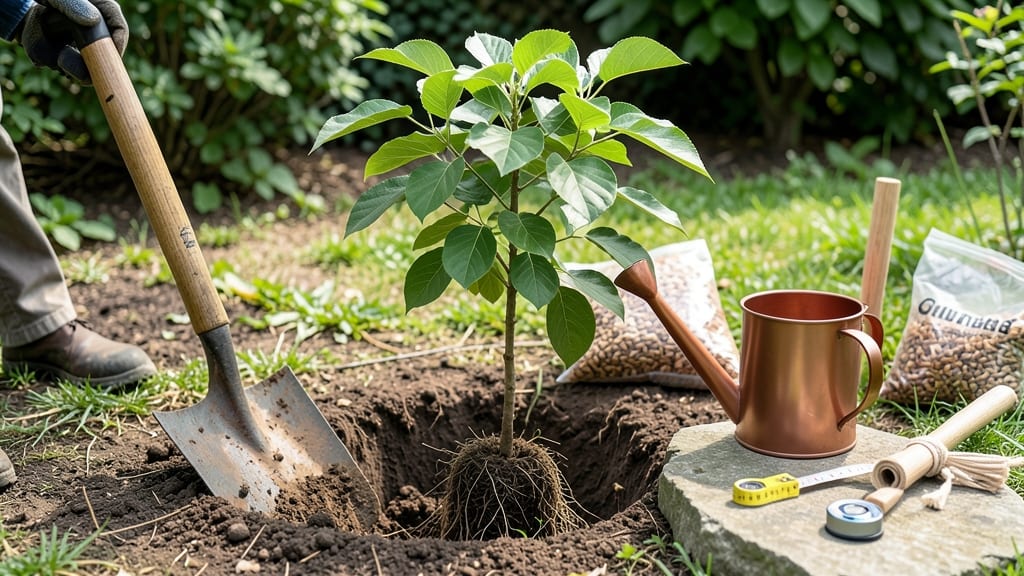
How to put a tree in the ground and keep it standing upright starts with the right technique—not brute force. ✨ I’ve watched too many trees lean like drunkards because of poor planting, but these three simple steps will give your tree the sturdy foundation it needs to grow strong for decades. The secret isn’t digging a massive hole or burying the roots deep—it’s about soil prep, proper root placement, and gentle support. Most people overthink it, but the real work is in the details: loosening the soil, teasing out tangled roots, and backfilling just right. A well-planted tree needs less staking and more stability from day one. By the end, your tree will stand tall with roots spreading naturally, not fighting for balance. The first year is critical—watering right, mulching correctly, and avoiding common pitfalls will set it up for a lifetime of shade or fruit. Let’s get your tree growing straight.
You’ll need basic tools: a shovel, wheelbarrow, gloves, and maybe some stakes if your tree is tall or top-heavy. The hole should be twice as wide as the root ball but no deeper—burying too much can suffocate the roots.
Loosen the soil at the bottom so roots can settle naturally, and avoid compacting it when you backfill. The magic happens when you position the tree so the top of the root ball sits just above ground level.
This prevents rot and gives the trunk room to thicken. For young trees, a few well-placed stakes (removed after a year) can prevent wind damage, but don’t overdo it—too much support weakens the trunk over time.
After planting, water deeply to remove air pockets and encourage roots to spread. A 2-3 inch layer of mulch keeps moisture in and weeds out, but keep it away from the trunk to avoid rot.
In the first year, check the soil moisture weekly—trees need consistent watering, not occasional drenching. Season matters too: spring or fall planting gives roots time to establish before extreme weather. Summer heat or winter cold can stress a newly planted tree, so choose your timing wisely.
With these steps, your tree will grow strong and straight, not leaning like it’s searching for sunlight.
📚 In This Guide
- What you need
- Instructions
- Tips and common mistakes
- Wrapping up and next steps
What you need
- ● Tree: A young sapling (1–3 inches in diameter) or a small tree (up to 6 feet tall). Ensure it’s healthy with a strong root ball.
- ● Stakes: 3–4 wooden or metal stakes (1–2 inches in diameter, 3–4 feet long). Bamboo stakes work great too!
- ● Tie-downs: 3–4 tree ties, stretchy fabric strips, or soft plastic straps (avoid wire—it can damage bark).
- ○ Support: A tree support collar (optional but helpful for larger trees) or a sturdy tree guard (to protect from pests).
- ● Soil: Native soil or a mix of topsoil and compost (for planting or backfilling).
- ● Shovel or trowel: For digging holes or adjusting the root ball.
- ● Measuring tape: To ensure stakes are placed at the right distance (about 1/3 of the tree’s height from the base).
- ● Mallet or hammer: For driving stakes gently into the ground.
- ● Pruners or saw: Only if trimming dead branches before planting.
- ● Gloves: To protect your hands from thorns, dirt, or sharp tools.
- ● Mulch: Organic mulch (wood chips, straw) to retain moisture and protect roots.
- ● Watering can or hose: For immediate hydration after planting.
- ● Level: To ensure stakes are perfectly vertical.
- ● Tree spray: A natural fungicide or sealant for extra protection.
How to put a tree stand up: sturdy support in 3 simple steps
Here's how I stabilize young trees—no fancy tools, just smart techniques that work every time.
🪴 Step 1: Dig the Hole Properly
Start by digging a hole that's twice as wide as the root ball but only as deep as the container's bottom. This prevents burying the trunk too deep, which can suffocate the tree. Use a shovel to loosen the soil at the bottom of the hole—you want roots to spread into soft earth, not packed dirt.
I like to step back and check the depth against the root ball before planting. If the hole feels too shallow, add a handful of soil to the bottom. The goal is for the top of the root ball to sit 1-2 inches above ground level—this ensures the tree stays upright without leaning.
🌱 Step 2: Position and Secure with Stakes
Gently remove the tree from its container and place it in the hole, making sure the root ball sits level. If the tree leans, adjust it now—once staked, correcting the angle gets tricky. I tap the sides of the hole lightly to settle the soil around the roots without compacting it.
Drive two 4-5 foot wooden stakes into the ground at a 45-degree angle, about 12 inches from the trunk on opposite sides. The stakes should be outside the root ball but close enough to support the tree. Tie the tree to the stakes with soft tree ties (never wire or anything that can cut into the bark) at the top and middle of the trunk. Leave room for the tree to sway slightly—this helps it develop stronger stems.
✂️ Step 3: Backfill and Water Deeply
Fill the hole with soil, tamping it down gently as you go to eliminate air pockets. I like to use a board to press the soil around the root ball—this keeps the tree stable without compacting the roots too much. Once the hole is full, mound soil slightly around the base to create a 2-inch-high berm. This helps direct water to the roots during watering.
Water the tree deeply right after planting—1-2 gallons should soak the soil thoroughly. You'll know it's enough when water runs out the bottom of the hole. Mulch the area with 2-3 inches of organic mulch, keeping it 6 inches away from the trunk to prevent rot. This keeps roots cool and retains moisture.
Tips & tricks for perfect tree stabilization
These simple techniques will help you avoid common mistakes and get your tree standing strong for years.
Soil Preparation: Before planting, test your hole depth by placing the root ball inside and checking that the top sits 1-2 inches above ground level. If your soil is rocky or compacted, mix in some compost at the bottom of the hole—this gives roots a better chance to establish themselves. I've seen trees fail when planted too deep, so always double-check this step. The goal is to mimic the tree's natural growth position.
Stake Placement Strategy: When driving those 4-5 foot wooden stakes, position them just outside the root ball but close enough to support the trunk. I like to visualize an imaginary triangle—if you connect the stakes and trunk, it should form a stable base. The 45-degree angle is key for distributing weight properly. If your tree leans slightly, adjust the stakes to compensate rather than forcing the tree straight.
Watering Wisdom: That 1-2 gallons of water right after planting isn't just about hydration—it's about settling the soil around the roots. Watch for water running out the bottom of the hole; this tells you the soil is fully saturated. After watering, let the tree sit for 15-20 minutes before mulching. This prevents the mulch from absorbing too much water and pulling it away from the roots.
Long-Term Stability: Check your tree ties every 6-12 months—they should remain snug but not constrict the trunk as it grows. I've seen ties cut into bark when left too tight. If you notice the tree isn't swaying at all, it might be too tightly secured. A little movement helps trees develop stronger stems naturally.
Pro Tips for Put A Tree Stand Up
- These simple techniques will help you avoid common mistakes and get your tree standing strong for years.
- Soil Preparation: Before planting, test your hole depth by placing the root ball inside and checking that the top sits 1-2 inches above ground level.
- Stake Placement Strategy: When driving those 4-5 foot wooden stakes, position them just outside the root ball but close enough to support the trunk.
Frequently asked questions
Got questions about standing up a tree? We’ve got answers!
Whether you’re prepping for planting season or troubleshooting a wobbly sapling, here’s what you need to know before you start.
When is the best time of year to put a tree stand up?
The ideal time depends on your climate and tree type. For most trees, late fall or early winter (when the ground is workable but not frozen) is best—this gives roots time to establish before spring growth. Bare-root trees should be planted in dormant season (fall or early spring). Avoid planting in extreme heat or drought, as it stresses young roots.
What if my tree keeps falling over after planting?
If your tree topples, it’s usually due to poor soil prep, shallow roots, or weak staking. Double-check your hole depth (twice as wide as the root ball, same depth), ensure the root flare is visible above soil, and use two sturdy stakes at a 45° angle for support. Water thoroughly after planting to settle the soil.
Can I use a shovel or just my hands to dig the hole?
For small trees (under 6 feet), a shovel or spade works fine—just dig wide and deep enough for the root ball. For larger trees, rent a post-hole digger or hire help. Avoid compacting the soil at the bottom; loosen it with your hands or a garden fork to encourage root growth. Pro tip: Don’t pack the backfill soil too tightly—it can suffocate roots!
Do I need to stake a young tree forever, or is there a timeline?
Stakes should only be temporary! Remove them after 1–2 growing seasons (or when the tree can stand alone). Over-staking weakens trunk strength. If you must stake, use soft ties (like tree straps) to avoid girdling the trunk. Check stakes monthly to loosen ties as the tree grows.
What’s the easiest alternative if I can’t dig a hole right now?
If the ground is frozen or too hard, try container planting temporarily. Use a large, sturdy pot (at least 18" deep) with drainage holes, fill with quality potting soil, and plant your tree. Keep it in a sheltered spot until you can transplant it. For bare-root trees, store them in a cool, moist location (like a garage) until planting season.
Wrapping up and next steps
You’ve got the know-how to stand up a tree like a pro! 🌳 Whether you’re restoring a leaning favorite or planting a new sapling, these steps ensure your tree stays sturdy and healthy for years to come. Remember, patience and proper technique are your best tools—don’t rush the process.
Now that your tree is standing tall, why not take it a step further? Consider pruning for shape and health or adding support like a tree stake or brace if needed. Your green thumb is growing—keep it up! 🌱