
Propagation
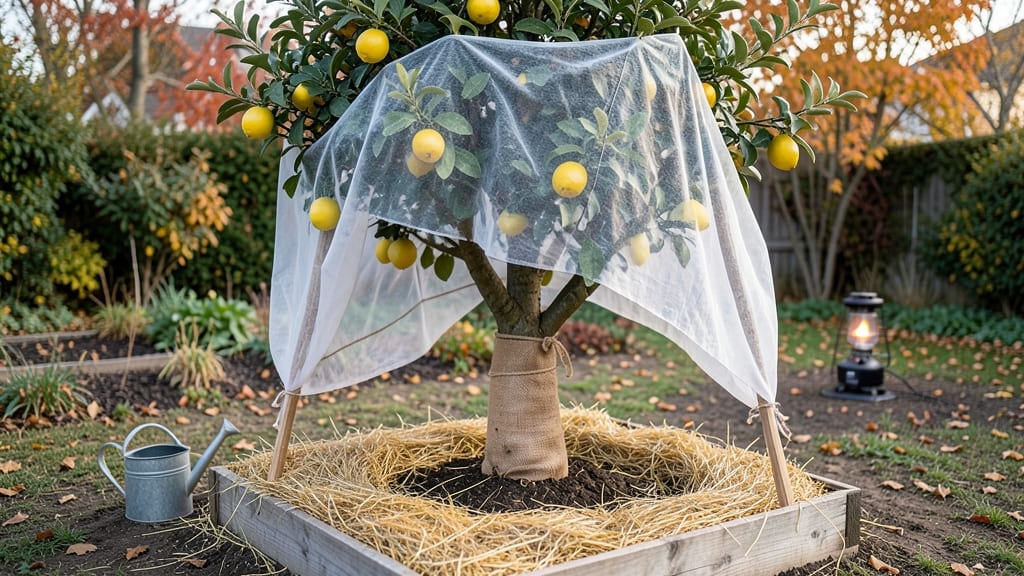
Protecting your lemon tree from frost isn’t just about survival—it’s about giving it a fighting chance to thrive year after year. 🌿 I’ve watched my own citrus trees wither overnight, only to bounce back with the right shielding.
The key is layering protection: covering, insulating, and monitoring the temperature before damage sets in.
You’ll need frost cloth, mulch, and a way to trap heat—like a simple frame or even a bucket of water nearby. The goal is to raise the temperature around the tree by 5-10°F, enough to keep the roots and branches from freezing solid.
Most damage happens when temps drop below 28°F, but even a light frost can stunt growth for months.
By the time morning comes, you’ll see the difference: leaves stay green, branches stay flexible, and the tree’s energy isn’t drained fighting frostbite. The secret? Acting before the forecasted freeze hits, not after the damage is done. A little prep now means lemon harvests for years to come.
This works for potted trees, in-ground plants, and even young saplings. Whether you’re in Zone 9 or a cooler microclimate, the same principles apply. Let’s get your tree shielded before the next cold snap.
📚 In This Guide
- What you need
- Instructions
- Tips and common mistakes
- Wrapping up and next steps
What you need
- ● Frost cloth or row covers: 1-2 pieces (choose breathable fabric rated for 20-30°F protection; size depends on tree height—aim for 10-15 feet wide to drape fully).
- ● Burlap sacks or old blankets: 2-3 (for wrapping smaller trees or vulnerable branches; 100% cotton is ideal to allow airflow).
- ● Sturdy twine or plant ties: 1 roll (to secure covers without crushing branches).
- ● Plastic milk jugs or water bottles: 2-4 (cut in half to create mini greenhouses for young trees or buds).
- ● Plastic sheeting (6 mil thickness): 1 roll (for emergency heavy-duty coverage; clear or black options work).
- ● Stakes or PVC pipes: 4-6 (to prop up frost cloth and prevent direct contact with branches).
- ● Garden hose with spray nozzle: 1 (for gentle watering before frost to boost cold resistance).
- ● Pruning shears: 1 pair (to trim damaged branches post-frost if needed).
- ● Heating pad or Christmas lights: 1 (for small pots—wrap around base to add 5-10°F warmth; use red/blue LED only).
- ● Insulating foam board: 1 sheet (cut to fit around tree trunk for extra insulation in containers).
- ● Windbreak: Temporary barrier (like a plywood sheet) to block cold winds.
- ● Thermometer: 1 (soil probe type to monitor root-zone temps; 0-50°F range is perfect).
- ● Compost or mulch: 2-3 inches (apply before frost to insulate roots—straw or pine needles work best).
Step-by-Step instructions for protecting a lemon tree from frost
Here’s how I’ve shielded my lemon tree through every cold snap—no fancy equipment, just smart layers.
🌱 Step 1: Cover the Tree with Burlap or Frost Blankets
Start by wrapping the entire tree—trunk and branches—with breathable frost cloth or lightweight burlap. I use 2-3 layers for extra protection, securing them with clips or twine so they don’t flap in the wind. Leave the top open to prevent trapped moisture, which can freeze and damage leaves.
Focus on the youngest growth—new shoots and tender leaves are most vulnerable. If your tree is small, drape the cloth loosely over a sturdy frame (like PVC pipes) to keep it off the ground. This prevents frost from forming on the fabric and dripping onto the tree.
☀️ Step 2: Insulate the Trunk and Roots
Wrap the trunk with tree wrap or bubble insulation, extending it 12-18 inches above and below the soil line. This blocks cold air from seeping into the wood. For extra defense, mound 4-6 inches of mulch (like straw or wood chips) around the base of the tree, keeping it 6 inches away from the trunk to avoid rot.
If your tree is in a container, move it to a sheltered spot (like a garage or against a south-facing wall) before temperatures drop below 28°F. Containers lose heat fast, so add extra insulation around the pot’s sides with bubble wrap or foam boards. Never cover the pot completely—you want airflow to prevent moisture buildup.
💧 Step 3: Create a Microclimate with Heat Sources (If Needed)
For severe frosts (below 25°F), set up small heat sources near the tree. String incandescent light bulbs (not LEDs—they don’t generate enough heat) in a circle around the tree, about 3 feet away. This creates a 10-15°F warmer zone around the plant. Alternatively, use Christmas lights wrapped in aluminum foil to reflect heat downward.
Place a large cardboard box over the tree if winds are strong—this traps warm air. Just remember to remove it during the day to avoid overheating. I also water the tree lightly before the frost (but not soaking wet) to help the roots retain some warmth.
⏰ Step 4: Monitor and Adjust Throughout the Night
Check the tree every 2-3 hours during the frost. If the cloth gets damp from dew or melting ice, gently shake it off or replace it with a dry layer. Frost forms fastest on calm, clear nights, so if winds pick up, secure the covers tightly to prevent tearing.
In the morning, remove all covers as soon as temperatures rise above freezing. Stale air trapped under blankets can cause leaf burn or mold growth. Brush off any ice crystals gently with your fingers—don’t scrub, or you’ll damage the bark.
✂️ Step 5: Prune and Recover After the Frost
Wait 1-2 weeks before pruning any frost-damaged branches. Healthy tissue may still be hidden beneath dead-looking bark. Snip only the blackened or mushy stems with sterilized pruners, cutting back to green wood. This encourages new growth without inviting disease.
Fertilize lightly 4-6 weeks after the frost with a balanced citrus fertilizer to help the tree recover. If the tree looks leggy or sparse, it’s likely lost some canopy—don’t worry, it’ll fill back in with time. Just keep an eye out for aphids or scale, which love stressed trees.
Tips & tricks for protecting lemon trees from frost
These simple strategies will help you shield your citrus tree from winter's worst—without breaking the bank or losing your sanity.
Layering is Key: In Step 1, when wrapping with frost cloth or burlap, overlap the layers by at least 6 inches for complete coverage. This creates a continuous barrier against cold air. I've seen frost creep through gaps when layers weren't properly overlapped—don't make my mistake! For extra security, add a third layer around the most vulnerable branches where new growth appears. Remember, the goal is to trap warm air near the tree while allowing some airflow to prevent moisture buildup.
Container Trees Need Special Care: If your lemon tree is in a pot, Step 2 mentions moving it to a sheltered spot—but here's what nobody tells you: add a layer of old towels or blankets between the pot and the cardboard box you're using for shelter. This prevents cold air from seeping up from the ground. I once left this step out and my container tree still got frostbitten at the base despite being in the garage. Also, avoid plastic containers—they trap too much moisture and can actually make frost worse.
Heat Source Placement Matters: When setting up those incandescent light bulbs in Step 3, position them slightly higher than the tree's canopy. This creates a dome of warm air that protects the most vulnerable parts. I learned this after my first attempt had lights too low, which caused uneven heating and left the top branches exposed. For severe frosts, you can also place a small space heater (on low setting) about 5 feet away from the tree—just make sure it's far enough that it doesn't dry out the soil or damage the bark.
Morning is Critical: The instructions mention removing covers when temperatures rise above freezing, but here's the real secret: check for frost formation first. I've seen mornings where the thermometer read 34°F but frost still formed on the covers. In these cases, leave the covers on until the sun actually melts the frost. This can sometimes mean waiting until mid-morning. The key is to avoid sudden temperature swings that can shock the tree.
Pro Tips for Protect A Lemon Tree From Frost
- These simple strategies will help you shield your citrus tree from winter's worst—without breaking the bank or losing your sanity.
- Layering is Key: In Step 1, when wrapping with frost cloth or burlap, overlap the layers by at least 6 inches for complete coverage.
- This prevents cold air from seeping up from the ground.
Frequently asked questions
Got questions about keeping your lemon tree thriving through frost? Here are some of the most common concerns—plus straightforward answers to help you shield your citrus safely.
How cold is too cold for a lemon tree?
A lemon tree starts showing frost damage when temperatures drop below 28°F (-2°C). Young trees or tender varieties like Meyer lemons are even more sensitive—32°F (0°C) can cause harm. Always check your local frost advisory for early warnings!
When should I start protecting my lemon tree from frost?
Begin preparations 2–3 weeks before the first frost date in your area. This gives you time to harden the tree (gradually reducing water), prune dead branches, and set up protective barriers. If a sudden frost hits, act immediately—don’t wait for the forecast!
Can I move a potted lemon tree indoors to avoid frost?
Yes! If your tree is in a pot, relocate it to a garage, shed, or sunny indoor space (like a sunroom) before temperatures drop. Avoid drafty areas, and keep it near a bright window. Water lightly—never overwater indoors to prevent root rot.
What if my lemon tree already shows frost damage?
Don’t panic! Prune only dead or blackened branches with clean shears, cutting back to healthy green wood. Avoid heavy pruning—wait until spring for a full assessment. Mulch the base to protect roots, and monitor for pests (frost-stressed trees attract them).
Are there frost-resistant lemon tree varieties?
While no lemon is fully frost-proof, Meyer lemons and ‘Eureka’ or ‘Lisbon’ lemons tolerate cooler temps slightly better (down to 25°F/-4°C with protection). For extreme climates, consider hardy citrus hybrids like ‘Improved Meyer’—they’re bred for resilience!
Wrapping up and next steps
Protecting your lemon tree from frost doesn’t have to be a guessing game—just a few thoughtful steps can make all the difference! 🌱 By combining layered shielding (like frost cloth, mulch, and windbreaks) with proactive monitoring, you’ll give your tree the best chance to thrive year-round.
Remember, even small efforts add up, so don’t wait until the first freeze to act.
Now that you’re armed with the know-how, take action! Start by inspecting your tree’s current setup and gathering supplies. Then, set reminders to check weather forecasts and adjust your frost defenses as needed. Your lemon tree—and your future harvests—will thank you! 🍋✨