
Planting
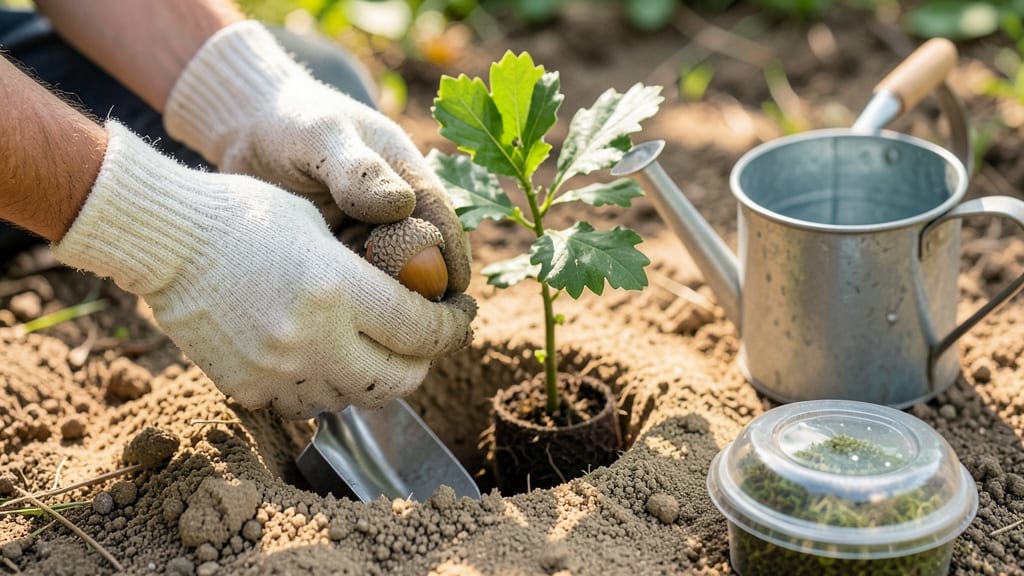
Planting an oak tree seed feels like starting a century-long project—but with cold stratification, you can fast-track those first critical sprouts. 🌱 I’ve watched acorns take root after just 3 months of proper prep, though full maturity takes decades.
The key is mimicking winter’s chilling effect before planting, which tricks the seed into breaking dormancy faster than nature would. You’ll need moist peat moss or a damp paper towel to wrap seeds, a sealed plastic bag for 4-6 weeks in the fridge, and a sunny, well-drained spot for planting.
Skip this step, and germination could take 2+ years—or never happen at all. The payoff? A 50-foot oak standing in your yard, providing shade and wildlife habitat for generations.
Once sprouted, plant seeds 1 inch deep in loose soil, water gently, and protect from deer or squirrels (they’ll dig them up). Patience is everything—most oaks take 2-5 years to produce their first true leaves, but each stage feels like watching a forest grow in your hands.
This method works best in USDA zones 4-9, but even in warmer climates, a short cold period improves success. Think of it as giving nature a head start—your future tree will thank you.
📚 In This Guide
- What you need
- Instructions
- Tips and common mistakes
- Wrapping up and next steps
What you need
- ● Oak acorns: Fresh, mature acorns (collected in fall, ideally from white or red oak species). Aim for 5–10 acorns to maximize success.
- ● Cold stratification supplies: Moist peat moss or coconut coir (enough to fully submerge acorns in a container).
- ● A sealed plastic bag or airtight container (e.g., ziplock bag or small Tupperware).
- ● Refrigerator or cold storage (set to 34–40°F (1–4°C) for stratification).
- ● Planting pots or containers: Small pots (3–4 inches deep) with drainage holes, or a seed-starting tray.
- ● Well-draining potting mix: A blend of 50% peat moss/coco coir + 50% perlite or sand (sterilized if possible).
- ● Watering can or spray bottle (with a fine mist setting).
- ● Garden trowel or small shovel (for outdoor planting, if applicable).
- ● Acorn cap removal tool: A knife or sandpaper (to scratch the acorn’s shell for faster moisture absorption).
- ● Humidity dome or plastic wrap: To retain moisture during germination.
- ● Grow lights or sunny windowsill: For indoor seedlings before transplanting.
- ● Label markers: To track planting dates and species.
- ● Outdoor planting spot: A sunny, well-drained area with plenty of space (oaks grow big—think 50+ feet tall!).
Step-by-step instructions for planting oak tree seeds
Here's the proven method to break oak seed dormancy and get strong seedlings in record time.
🌱 Step 1: Harvest and Prepare Fresh Acorns
Collect acorns in late fall when they've fallen naturally from mature oak trees. Look for plump, heavy nuts with intact caps—these contain the healthiest embryos. Avoid any with holes, cracks, or insect damage, as they won't germinate. Rinse them thoroughly under cool water to remove dirt and debris, then let them air-dry completely for 24 hours.
I like to soak the acorns in lukewarm water for 12 hours before stratification—this softens the hard outer shell and kickstarts the internal processes. Use a breathable container like a mesh bag so water can circulate freely. This pre-treatment mimics natural winter moisture and gives you a head start on breaking dormancy.
❄️ Step 2: Cold Stratify for 60-90 Days
Place the soaked acorns in a sealed plastic bag with a damp paper towel or vermiculite. The key here is moisture without sogginess—squeeze out excess water so the towel feels damp like a wrung-out sponge. Seal the bag and refrigerate at 35-45°F for 60-90 days. This cold period mimics winter conditions and triggers germination hormones inside the seed.
Check the bag every 2-3 weeks. If the paper towel dries out, mist it lightly with water and reseal. You'll know stratification is working when you see a tiny white root (radicle) emerging from the base of the acorn—this is your signal that dormancy is broken and germination is imminent.
🪴 Step 3: Plant Stratified Acorns in Containers
Fill small pots (3-4 inches deep) with a mix of 60% peat moss and 40% perlite—this lightweight combination prevents root rot while providing good drainage. Plant each acorn about 1 inch deep, with the pointed end facing upward. Gently firm the soil around it to ensure good contact without compacting.
Place the pots in a warm, bright location where temperatures stay between 65-75°F. Keep the soil consistently moist but never soggy—you want it to feel like a damp sponge. A humidity dome helps maintain even moisture levels during the early stages. You should see the first true leaves emerge in 4-8 weeks, depending on the oak species.
☀️ Step 4: Transplant Seedlings to Outdoor Nursery Beds
When seedlings reach 6-8 inches tall with 4-6 true leaves, they're ready for their first outdoor move. Choose a partially shaded location with well-draining soil—oaks hate waterlogged roots. Dig holes twice as wide as the root ball but only as deep as the container. Gently remove the seedling, loosen the roots if they're circling, and place it in the hole.
Backfill with native soil, tamp lightly, and water deeply to settle everything. Mulch with 2-3 inches of wood chips to retain moisture and protect young roots from temperature swings. Keep seedlings outdoors year-round in their first season—they develop stronger root systems when exposed to natural seasonal changes.
Tips & tricks for perfect oak tree seed planting
Breaking dormancy and nurturing oak seeds takes patience—but these insights will help you skip the trial-and-error phase entirely.
Timing Secret: The 12-hour lukewarm soak before stratification is your secret weapon. This mimics natural autumn rains and softens the acorn's hard shell, which is crucial for water absorption during the cold period. I've found that using a mesh bag with small holes prevents mold while allowing airflow—just don't let them dry out completely during this phase.
Stratification Strategy: When refrigerating for 60-90 days, place the sealed bag in the crisper drawer of your fridge where temperatures hover around 35-45°F. This consistent cool environment is what triggers germination hormones. I like to label bags with the start date so I don't forget about them—some people even set phone reminders to check moisture levels every 2-3 weeks.
Container Selection: For Step 3, avoid plastic nursery pots—they trap too much moisture. Instead, opt for biodegradable peat pots or terracotta containers that allow excess water to evaporate. The 60% peat moss/40% perlite mix is non-negotiable; it prevents root rot while providing the airy environment oak roots need to establish properly.
Transplanting Tip: When moving seedlings outdoors, choose a spot with dappled sunlight—young oaks can scorch in full sun. The 2-3 inch wood chip mulch isn't just for looks; it regulates soil temperature and retains moisture better than straw. I've seen seedlings with mulch survive winter better than those without, even in colder climates.
Pro Tips for Plant An Oak Tree Seed
- Breaking dormancy and nurturing oak seeds takes patience—but these insights will help you skip the trial-and-error phase entirely.
- Timing Secret: The 12-hour lukewarm soak before stratification is your secret weapon.
- Stratification Strategy: When refrigerating for 60-90 days, place the sealed bag in the crisper drawer of your fridge where temperatures hover around 35-45°F.
Frequently asked questions
Got questions about planting oak tree seeds? You’re not alone! Here are some common concerns—plus expert answers to help you grow strong, healthy oaks.
How long does it take for an oak seed to sprout?
Oak seeds are patient little things! After cold stratification (4–6 weeks in the fridge), germination can take anywhere from 2 weeks to 6 months—sometimes even longer. Keep soil moist and warm (60–70°F) and stay consistent. Patience is key!
Can I skip cold stratification?
Not recommended! Oak seeds have a hard, protective shell that needs cold treatment to break dormancy. Skipping stratification may result in slow or failed germination. If you’re short on time, try soaking seeds in warm water for 24 hours before stratification for a tiny boost.
What’s the best time of year to plant oak seeds?
Plant seeds in early spring (March–April) after cold stratification, or fall (September–October) if you’re planting outdoors without pre-stratification. Fall-planted seeds get a natural winter chill, mimicking their wild growth cycle.
Will squirrels or animals steal my seeds?
Oak seeds are a buffet for wildlife. Bury seeds at least 2 inches deep in a protected spot (like a wire cage or dense mulch) to deter diggers. If planting outdoors, scatter seeds widely to reduce losses.
What if my seed doesn’t sprout?
Don’t give up! Oak seeds have low viability—some may not sprout even with perfect care. Try these fixes:
- Check for rot (soggy, mushy seeds = too much moisture).
- Verify stratification time (some need longer than 6 weeks).
- Test a few seeds in peat moss (better drainage than soil).
Wrapping up and next steps
Planting an oak tree seed is a rewarding journey that combines patience, care, and a touch of nature’s magic! By following cold stratification and proper planting techniques, you’ve set the stage for a thriving oak tree—one that could stand for centuries. 🌳✨
Now that you’re equipped with the know-how, take the next step: mark your calendar and give your seeds the time they need to sprout. Whether you’re nurturing a future shade provider or simply embracing the joy of gardening, your efforts will soon bloom into something extraordinary. Happy planting!