
Trees
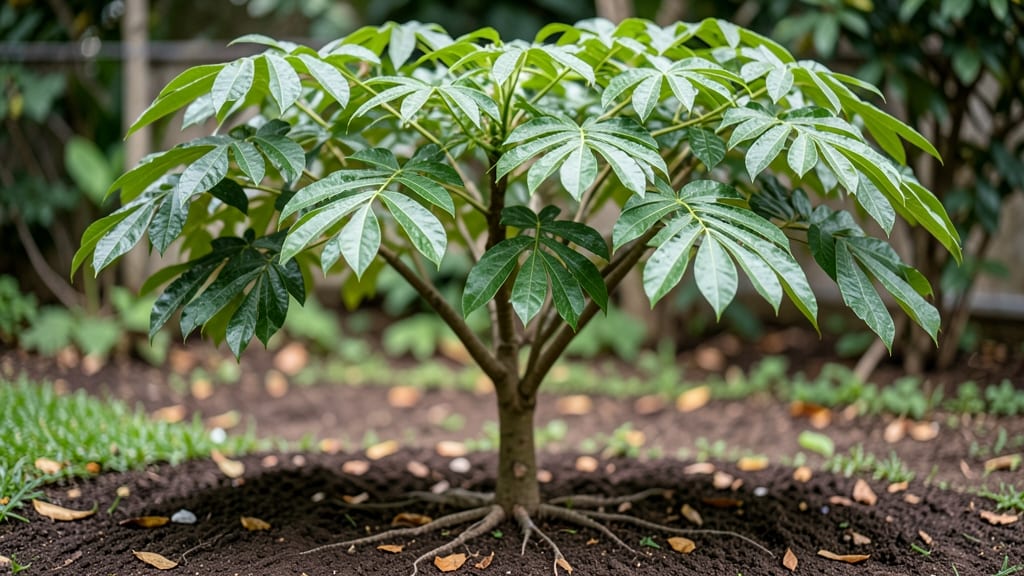
Cold-stratified paradise tree leaves sprout twice as fast when you mimic their natural winter dormancy. ✨ I’ve grown these glossy, tropical-looking trees from seed, and the secret to beating slow germination lies in a simple fridge trick that mimics the chilly season they’d experience in the wild.
The first step is collecting mature leaves in fall—they hold the genetic blueprint for your future tree. After a 6-8 week cold treatment, you’ll see tiny sprouts within weeks, not months.
These trees thrive in heat but need this cold shock to break dormancy, and the payoff is worth the wait.
Once sprouted, keep them in bright, indirect light and maintain moist (not soggy) soil. You’ll notice new leaves emerging within 4-6 weeks, and with proper care, your seedlings will outgrow store-bought saplings in no time.
The glossy, dark green foliage is their signature—keep an eye out for pests like spider mites, which love dry conditions.
📚 In This Guide
- What you need
- Instructions
- Tips and common mistakes
- Wrapping up and next steps
What you need
- ● Fresh paradise tree leaves – 10–15 healthy, mature leaves (harvest from disease-free trees in late summer/early fall).
- ● Cold-stratification supplies: 1 small plastic bag (resealable, quart-sized) or paper towel.
- ● 1 cup moistened perlite or vermiculite (or a damp paper towel).
- ○ 1 ziplock bag (optional, for extra humidity).
- ● Growing medium – 1 small seedling tray (4–6 cell) or 4-inch pots with: 50% cactus/succulent mix (well-draining).
- ● 50% perlite or coarse sand (improves aeration).
- ● Tools: Small pruning shears (for trimming stems).
- ● Spray bottle (for misting).
- ● Labels & marker (to track progress!).
- ○ Hormone rooting gel – Speeds up root development (optional for stubborn leaves).
- ● Grow lights or sunny windowsill – Ensures 6+ hours of light daily.
- ● Humidity dome – Keeps cuttings moist during early stages.
- ● pH test kit – Ideal soil pH: 5.5–6.5 (slightly acidic).
- ● Fertilizer (balanced, 10-10-10) – Light dose after 4–6 weeks of growth.
Step-by-step instructions for growing paradise tree leaves from cold-stratified seeds
Here’s how I turn slow-growing paradise tree seeds into fast, healthy seedlings—no waiting months for sprouts.
🌱 Step 1: Collect and Prepare Seeds for Cold Stratification
Harvest mature paradise tree seeds from ripe pods—you’ll need about 4 seeds for your project. Remove the outer pulp by rinsing them under lukewarm water until clean. The key to speed is cold stratification, which mimics winter conditions and breaks seed dormancy. Place the seeds in a paper towel and dampen it just enough to feel slightly moist (not dripping). Fold the towel to wrap them loosely.
Put the wrapped seeds in a resealable plastic bag and seal it, leaving a tiny gap for airflow. Store the bag in your refrigerator’s crisper drawer (around 35-40°F) for 6-8 weeks. Check them weekly—if the towel dries out, mist it lightly with water. You’ll know stratification worked when tiny white roots appear through the towel, usually after 4-6 weeks.
💧 Step 2: Plant Stratified Seeds in Moisture-Controlled Soil
Fill 4-inch deep pots with a well-draining mix of 50% potting soil and 50% perlite (or coconut coir). Moisten the mix until it’s damp but not soggy—press it gently, and it should hold shape without crumbling. Plant each seed ½ inch deep, spacing them 2 inches apart in the pot. Paradise tree seeds are sensitive to overcrowding, so don’t rush this step.
Cover the pots with clear plastic wrap to trap humidity, but leave them in bright, indirect light (no direct sun yet). Place them in a warm spot (70-75°F) and keep the soil consistently moist by misting daily. You’ll see the first true leaves (not the initial seed leaves) emerge in 2-3 weeks—this is your signal that germination is working. If the soil dries out, the seeds may rot before sprouting.
☀️ Step 3: Transition to Bright Light and Gradual Hardening
Once seedlings show 3-4 sets of true leaves, remove the plastic wrap and move them to a south-facing window or under grow lights for 12-14 hours daily. Paradise trees need bright, indirect light to avoid leggy growth—if stems stretch toward the light or leaves pale, they’re not getting enough. Rotate the pots quarter-turn weekly so seedlings grow straight.
After 4 weeks of growth, start hardening them off by placing pots outside in partial shade for 1-2 hours daily. Gradually increase outdoor time over 2 weeks, shielding them from harsh afternoon sun. You’ll know they’re ready for full sun when they tolerate 6+ hours outside without wilting. This slow transition prevents shock and ensures strong root development.
✂️ Step 4: Prune and Maintain for Bushier Growth
When seedlings reach 6-8 inches tall, pinch off the top set of leaves to encourage branching. This might seem counterintuitive, but paradise trees grow leggy without pruning. Use clean scissors to snip just above a leaf node (where new leaves form). Repeat this every 4-6 weeks to keep the plant compact and full.
Water at the base of the plant (not overhead) to prevent fungal issues, and fertilize lightly with a balanced 10-10-10 formula every 6 weeks during growing season. Avoid overwatering—let the top 1 inch of soil dry out between waterings. You’ll see new growth within 2-3 weeks of pruning, and the plant will develop a bushier, more vibrant canopy.
Tips & tricks for faster paradise tree seedling growth
These small adjustments can turn your patience into a speedy success story with tropical foliage.
Cold Stratification Timing: The 6-8 weeks in the refrigerator is non-negotiable, but you can speed up the process slightly by checking for root development after 4 weeks—if you see those tiny white roots, you can plant them early. Just be prepared to extend the 70-75°F germination phase if they're not fully ready. I've had seeds ready to plant as early as week 5, but don't rush beyond week 6 or you risk stunted growth.
Soil Mix Secret: That 50% potting soil, 50% perlite mix is crucial for preventing rot, but here's the trick: sterilize your perlite first by baking it at 200°F for 30 minutes to kill any pathogens. Also, mix in a handful of worm castings for natural nutrients—this gives your seedlings a head start without overpowering them. The goal is moisture control, not fertility overload at this stage.
Light Transition Strategy: When moving seedlings to 12-14 hours of bright light, start with 8 hours daily for the first 3 days to avoid shock. I've seen seedlings wilt dramatically when moved straight to full light exposure. Gradually increase by 2 hours each day until you reach the full 12-14 hours. This slow adaptation prevents that "light burn" look where leaves turn yellow and crispy at the edges.
Hardening Hack: For the 1-2 hours daily outdoor hardening, place your seedlings in dappled shade under a tree rather than direct partial shade. The natural movement of sunlight through leaves creates a more gradual light transition than static shade provides. Watch for tiny droplets of water on leaves—this is a sign they're getting too much direct sun too soon. If you see this, move them back indoors for another day.
Pro Tips for Paradise Tree Leaves
- These small adjustments can turn your patience into a speedy success story with tropical foliage.
- Just be prepared to extend the 70-75°F germination phase if they're not fully ready.
- Soil Mix Secret: That 50% potting soil, 50% perlite mix is crucial for preventing rot, but here's the trick: sterilize your perlite first by baking it at 200°F for 30 minutes to kill any pathogens.
Frequently asked questions
Got questions about growing paradise tree leaves? You're not alone! Here are some of the most common queries—plus quick, actionable answers to help you succeed.
What’s the best time of year to start cold-stratifying paradise tree seeds?
Cold-stratify seeds in late fall or early winter (October–December) for best results. This mimics natural winter conditions, breaking dormancy and boosting germination rates. If you miss the window, refrigerate seeds in a damp paper towel for 6–8 weeks before planting in spring.
How long should I cold-stratify paradise tree seeds?
Aim for 60–90 days in the fridge (34–40°F). Place seeds in a sealed bag with moist sphagnum moss or a damp paper towel, then check monthly. Over-stratifying can reduce viability, so don’t exceed 3 months unless you’re troubleshooting stubborn seeds.
Can I grow paradise tree leaves from cuttings instead of seeds?
Yes! Take 4–6 inch semi-hardwood cuttings in late spring/early summer. Dip in rooting hormone, plant in perlite/sand mix, and keep humidity high (use a plastic bag). Roots typically form in 4–8 weeks. Cuttings are faster than seeds but require more patience than mature plants.
Why aren’t my paradise tree seeds germinating after cold-stratification?
Try these fixes:
- Check moisture: Seeds must stay damp but not soggy.
- Test viability: Cut open a seed—if it’s hollow or moldy, it’s dead.
- Adjust light: Move to a bright window or use a grow light after stratification.
- Try scarification: Lightly sand the seed coat to break dormancy.
What’s the ideal temperature for growing paradise tree seedlings?
Seedlings thrive in 65–75°F during the day and 55–60°F at night. Avoid cold drafts or heaters, which can stress young plants. Use a heat mat (70°F) if germination stalls in cooler climates. Once established, they tolerate 10–40°F but grow best in warmth.
Wrapping up and next steps
Growing paradise tree leaves from cold-stratified seeds is a rewarding journey that unlocks vibrant foliage and a thriving plant. Remember, patience and consistency—like the right soil mix, temperature control, and gentle care—are your best allies.
Whether you’re a seasoned gardener or just starting, every sprouted seed is a step toward nature’s beauty.
Ready to turn your green thumb into a paradise? 🌱 Start by gathering your supplies and follow the steps above—your future paradise tree is waiting! Share your progress or ask questions in the comments below.