
Propagation
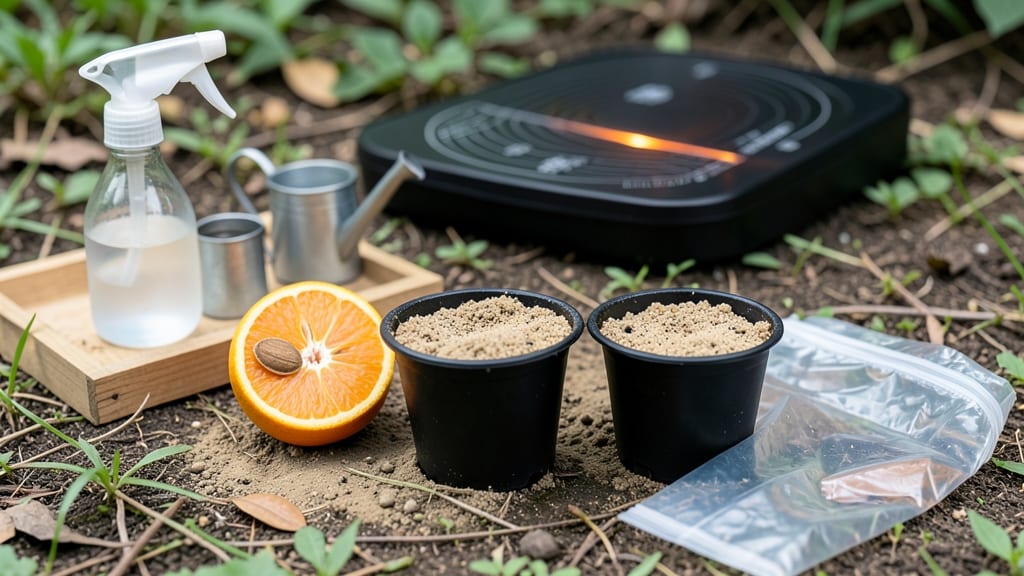
Growing a tangerine tree from seeds gives you a fragrant, sun-drenched citrus wonder that could one day bear fruit—if you're patient. 🌱 The journey starts with a single seed, a warm windowsill, and the knowledge that what you plant today might not bear fruit for 5-10 years, but the process is pure magic.
You’ll need a ripe tangerine, a shallow tray, moist paper towels, and a sunny spot. The key is keeping seeds consistently warm (around 70°F) and moist while they sprout—usually within 2-4 weeks. Once seedlings emerge, they’ll need bright light and well-draining soil to grow into sturdy young trees.
By the time they’re 1-2 feet tall, you’ll be pruning, fertilizing, and dreaming of orange blossoms. The real reward? A tree that’s uniquely yours, with roots tied to your hands and patience. Just know: seed-grown trees rarely produce true-to-parent fruit, but the journey is worth it.
Here’s the thing—most seed-grown tangerines won’t fruit for years, if ever. That’s where grafting comes in: if you want fruit faster, you can graft a citrus variety onto your seedling. But even without fruit, the glossy leaves and citrus scent make this project rewarding.
Start now, and in a few years, you might have a small tree that thrives indoors or outdoors in warm climates. The best part? Every step teaches you more about citrus care, setting you up for bigger gardening adventures.
📚 In This Guide
- What you need
- Instructions
- Tips and common mistakes
- Wrapping up and next steps
What you need
- ● Tangerine seeds: 3–5 fresh, plump seeds (harvested from organic, ripe tangerines for best results).
- ● Small pots or containers: 3–4 (4–6 inches in diameter) with drainage holes. Use biodegradable pots for transplanting later.
- ● Well-draining potting mix: 1 bag (look for a citrus-specific mix or blend with perlite/peat moss for aeration).
- ● Spray bottle: For gentle watering (avoid over-saturating seeds).
- ○ Plastic wrap or clear lid: To create a mini greenhouse effect (optional but helpful for humidity).
- ● Grow lights or sunny windowsill: A south-facing window or LED grow lights (12–16 hours/day) for seedlings.
- ● Fertilizer: Balanced liquid fertilizer (5-5-5 or 10-10-10, diluted to half-strength) for later stages.
- ● Seedling heat mat: To keep soil warm (70–80°F) during germination.
- ● Humidity dome: A clear plastic cover with ventilation holes for faster sprouting.
- ● pH test kit: To check soil acidity (citrus thrives in pH 6.0–7.0).
- ● Pruning shears: For shaping the tree as it grows.
- ● Mulch: Organic material (like straw) to retain moisture in pots.
Step-by-Step instructions for growing tangerine trees from seeds
Here's how to nurture a citrus wonder from seed to sapling—no green thumb required.
🌱 Step 1: Extract and Prepare the Seeds
Start with fresh tangerines—organic is best to avoid chemical residues. Slice the fruit in half and gently scrape the seeds from the membrane using a spoon. Rinse them thoroughly under running water to remove any pulp, then lay them on a paper towel to air-dry for 24 hours. This prevents mold and helps the seed coat soften naturally.
I like to soak the seeds in lukewarm water for 12-24 hours before planting. This softens the outer shell, encouraging faster germination. Place them in a small bowl or jar, ensuring they're fully submerged. You'll know they're ready when the outer coating looks slightly wrinkled and the seed feels softer to the touch.
🪴 Step 2: Plant the Seeds in Moisture-Retentive Soil
Fill a 4-inch diameter pot with a well-draining seed-starting mix (avoid garden soil—it compacts too easily). Moisten the mix until it feels like a damp sponge, but not soggy. Press it down lightly to create a firm planting surface, then make a ½-inch deep hole with your finger.
Place 1-2 seeds in each hole, spacing them about 1 inch apart. Cover them with a thin layer of soil, just enough to bury them lightly. Don’t press down—this keeps the soil loose for emerging roots. Water gently with a spray bottle until the soil looks evenly moist but not glistening.
💧 Step 3: Provide Warmth and Humidity for Germination
Tangerine seeds germinate best in warmth (70-80°F). Place the pot in a clear plastic bag or cover it with a humidity dome to trap moisture and heat. Set it on a seedling heat mat or in a sunny windowsill—just avoid direct sunlight until sprouts appear. Germination can take 2-4 weeks, so patience is key.
Check the soil daily but resist watering until the top inch feels dry. Overwatering now causes rot before seeds even sprout. Once you see tiny green shoots, remove the plastic immediately—excess humidity invites damping-off disease, which collapses young stems overnight.
☀️ Step 4: Move to Bright, Indirect Light
When seedlings reach 2 inches tall, they need bright, indirect light for 12-14 hours daily. A south-facing window works, but supplement with a grow light if leaves look pale or leggy. Position the light 4-6 inches above the plants and raise it as they grow to prevent burning.
You’ll notice strong seedlings have thick stems and dark green leaves. If stems stretch thin and leaves space far apart, your light is too weak. Rotate the pot a quarter turn weekly so plants grow straight, not lopsided. Water when the top inch of soil feels dry, using room-temperature water to avoid shocking roots.
✂️ Step 5: Transplant and Prune for Bushier Growth
Once seedlings have 3-4 sets of leaves (about 3-4 months old), transplant the strongest one into a 6-inch pot with fresh citrus potting mix. Handle roots gently—tangerine trees resent disturbance. Prune the stem just above a leaf node to encourage branching, which creates a fuller tree.
Real talk: These seedlings grow slowly at first, but consistency pays off. Keep them in 60-75°F temperatures and fertilize lightly with balanced citrus fertilizer every 2 months starting at 6 months old. With time, your windowsill wonder will reward you with fragrant blossoms—and maybe even fruit in 5-10 years!
Tips & tricks for growing tangerine trees from seeds
Here's what nobody tells you about nurturing these delicate citrus seedlings from seed to sapling.
Seed Preparation Secret: The 24-hour drying period in Step 1 isn't just about preventing mold—it's also breaking down the seed's natural dormancy. After drying, I like to give seeds a quick rub between my fingers to further soften the outer shell before soaking. This extra step can shave off a week from your germination timeline, especially if you're eager to see those first sprouts.
Soil Science: When planting your seeds in Step 2, resist the urge to pack the soil tightly around them. The seed-starting mix should feel like a damp sponge—not compressed like wet sand. I press down just enough to create a firm surface, then make my planting hole with my finger. This loose soil structure allows oxygen to reach the emerging roots, which is crucial for those first delicate root hairs.
Germination Watch: In Step 3, the 2-4 week germination window can feel like an eternity, but there's a trick to speed things along. After planting, place your pot in a warm spot (like on top of your fridge) and check the soil temperature with a soil thermometer—it should stay between 70-80°F consistently. If your home runs cooler, consider using a seedling heat mat for just a few hours daily. Warmth is the #1 factor in breaking through that germination barrier.
Light Transition: The move to bright, indirect light in Step 4 is where many seedlings fail. I've seen beautiful 2-inch seedlings turn leggy and weak overnight when exposed to direct sunlight too soon. Start by placing your pot near an east-facing window where it gets morning sun, then gradually move it toward south-facing light over 3-4 days. This acclimation period prevents sunburn on tender new growth.
Pro Tips for Grow Tangerine Tree From Seeds
- Here's what nobody tells you about nurturing these delicate citrus seedlings from seed to sapling.
- Seed Preparation Secret: The 24-hour drying period in Step 1 isn't just about preventing mold—it's also breaking down the seed's natural dormancy.
- Soil Science: When planting your seeds in Step 2, resist the urge to pack the soil tightly around them.
Frequently asked questions
Got questions about growing your own tangerine tree from seeds? You’re not alone! Here are some of the most common queries—plus straightforward answers to help you succeed.
How long does it take for a tangerine seed to germinate?
Germination usually takes 2 to 4 weeks if conditions are ideal (warmth, moisture, and indirect light). Keep the soil consistently damp but not soggy—patience is key! If nothing sprouts after 6 weeks, the seed may not have viable potential. Try again with fresh seeds!
Can I grow a tangerine tree indoors year-round?
Yes, but with care! Tangerine trees thrive indoors near a sunny window (6+ hours of light daily) or under grow lights. In winter, they may need extra warmth (60–75°F) to avoid dormancy. If you live in a cold climate, move the pot indoors before frost hits—just mimic their natural tropical habitat!
Will my seed-grown tangerine tree produce fruit?
Probably not for 5–10 years (or never, if it’s not grafted). Seedlings often grow into wild, non-fruiting trees. For faster, reliable fruit, consider grafting a tangerine variety onto your seedling later. Alternatively, buy a young grafted tree from a nursery for guaranteed citrus!
What should I do if my seedling’s leaves turn yellow?
Yellow leaves usually signal overwatering, poor drainage, or nutrient deficiency. Let the soil dry slightly between waterings and ensure the pot has drainage holes. If the roots smell sour or the soil feels mushy, repot in fresh, well-draining mix. A balanced citrus fertilizer (diluted) can also help revive it!
Can I plant my tangerine seedling directly outside?
Only after it’s at least 1–2 years old and the last frost has passed (spring/summer). Harden it off first by gradually exposing it to outdoor conditions. Choose a sheltered, sunny spot with well-draining soil—tangerines hate soggy roots! Mulch around the base to protect roots and retain moisture.
Wrapping up and next steps
Growing a tangerine tree from seeds is a rewarding journey that brings a touch of tropical charm to your home—even if it takes patience! Remember, consistency in care (like sunlight, water, and humidity) and patience are your best friends.
Once your seedling sprouts and thrives, you’ll not only enjoy the process but also the sweet, fragrant rewards of homegrown citrus!
Ready to take the next step? Consider transplanting your young tree into a larger pot or garden bed once it’s sturdy enough—just ensure it’s still protected from frost. Happy growing! 🌱✨