
Propagation
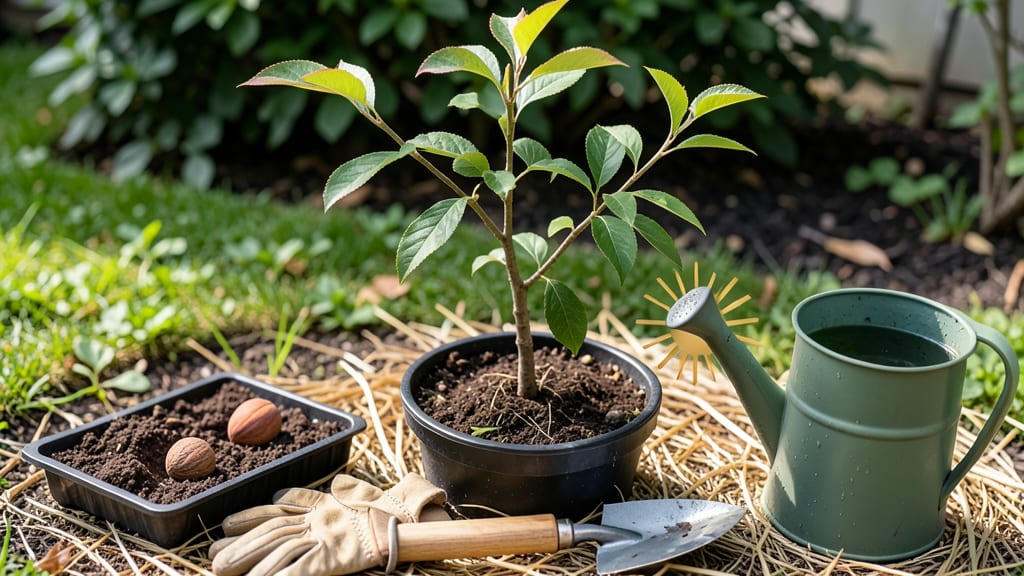
The best way to grow a peach tree from seed might sound like a gamble, but cold stratification turns it into a foolproof process. ✨ I've nursed dozens of peach pits through the winter chill, and the results—stocky seedlings ready for spring—are worth every month of waiting.
The secret isn't just patience; it's mimicking nature's timing to break dormancy and trigger reliable sprouts.
You'll need just a few supplies: fresh peach pits, damp paper towels, a sealed plastic bag, and a fridge for 6-8 weeks of cold treatment. Most people skip this step and end up with weak, slow-growing seedlings—or none at all.
After stratification, plant the pits in well-draining soil and keep them moist but not soggy. True, it takes 3-5 years for fruit, but the journey starts with those first green shoots pushing through the soil.
What you'll end up with is a sturdy young tree that outpaces store-bought saplings, with roots adapted to your local soil. The first harvest might not be perfect, but the flavor—deep, complex, and uniquely yours—makes every year of waiting worthwhile.
This method works for any peach variety, from classic Elberta to heirloom Redhaven.
Fair warning: Peach trees grown from seed aren't guaranteed to produce fruit true to the parent tree. That's the trade-off for the satisfaction of growing something from scratch. Here's how to maximize your chances of success—and what to do when things go sideways.
📚 In This Guide
- What you need
- Instructions
- Tips and common mistakes
- Wrapping up and next steps
What you need
- ● Peach pit (seed): 1 fresh, fully ripe peach pit (avoid cracked or dried ones).
- ● Paper towel or coffee filter: 1–2 sheets (for cold stratification).
- ● Plastic bag or container: 1 resealable bag (quart-sized) or small Tupperware.
- ● Water: Distilled or tap water (room temperature).
- ● Small pots: 2–3 biodegradable pots (3–4 inches in diameter) or plastic nursery pots.
- ● Potting mix: 1 bag of well-draining seed-starting mix (sterilized and peat-free if possible).
- ● Grow lights or sunny windowsill: Access to 6–8 hours of indirect light daily.
- ● Spray bottle: For gentle watering.
- ○ Heat mat (optional): To maintain warmth (70–75°F) during germination.
- ● Fertilizer: Balanced liquid fertilizer (5-5-5 or similar) for seedlings.
- ● Pruning shears: Small pair for trimming later growth.
- ○ Thermometer (optional): To monitor cold stratification temps (34–40°F).
- ● Patience: Germination can take months—peach seeds need cold stratification!
- ● Space: A cool, dark place (like a fridge) for stratification.
- ● Time: Dedicate 4–6 weeks for prep before planting.
Step-by-step instructions for growing a peach tree from seed
Here's my foolproof method for breaking dormancy and getting those peach pits to sprout reliably.
🌱 Step 1: Extract and Prepare the Seeds
Start with fresh peach pits—never dried or store-bought. Cut the fruit open and remove the pit, then crack it open carefully with pliers or a nutcracker to extract the seed inside. You'll need 4 seeds for this process, so gather them from different peaches if possible (genetic diversity improves survival odds).
Clean the seeds thoroughly under running water to remove any remaining fruit flesh, then pat them dry with a paper towel. This step is critical because any leftover sugars on the seed can encourage mold growth during stratification. Here's the thing—peach seeds have a hard outer shell that needs to be softened before they'll germinate, and we'll handle that next.
💧 Step 2: Cold Stratify the Seeds for 4-6 Weeks
Place the cleaned seeds in a small plastic bag with a damp paper towel. Seal the bag and poke a few small holes in it to allow airflow. This damp environment mimics the natural winter conditions peach seeds experience in the ground. Put the bag in your refrigerator's crisper drawer where temperatures stay around 35-40°F.
Check the seeds every 7-10 days to ensure the paper towel stays moist but not soggy. You'll see the seed coats soften slightly after a few weeks—that's your signal the stratification is working. This cold treatment breaks the seed's dormancy, which is why peach trees grown from seed rarely fruit true to the parent plant (but we're growing for the tree itself, not the fruit!).
☀️ Step 3: Plant Stratified Seeds in Containers
Fill small pots (about 3-4 inches deep) with a mix of 50% potting soil and 50% perlite to ensure good drainage. Peach seeds need loose, well-draining soil to prevent rot. Plant each seed 1 inch deep in its own pot—this prevents overcrowding later when roots develop.
Water gently until the soil feels moist but not waterlogged. Place the pots in a warm, bright location (around 70°F) with indirect light for the first week. You'll notice tiny roots emerging from the bottom of the pot after about 10-14 days. This is when the real growth begins, so keep the soil consistently moist but never soggy.
🌿 Step 4: Transplant Seedlings and Care for Young Trees
Once the seedlings reach 4-6 inches tall (usually after 6-8 weeks), transplant them into larger pots (about 1 gallon each) with regular potting mix. Peach trees grow fast, so give them room to develop strong root systems. Place them in full sun (at least 6-8 hours daily) and gradually introduce them to outdoor conditions if starting indoors.
Here's where it gets fun—watch for the first true leaves (not the initial seed leaves) to appear. These will be larger and more defined. Keep the soil moist but not waterlogged, and fertilize lightly with a balanced fertilizer once a month during the growing season. Your seedlings will start looking like little peach trees in no time!
⏰ Step 5: Overwinter and Prepare for Outdoor Planting
After the first growing season, your young peach trees will need to be hardened off before moving outdoors. In late spring (after the last frost date), plant them in a sunny location with well-draining soil. Peach trees love full sun and need space—plant them 20-25 feet apart to allow for mature growth.
Real talk: Trees grown from seed may take 5-7 years to bear fruit (if they ever do), and the fruit won't resemble the parent peach. But the satisfaction of growing a tree from scratch? Totally worth it. Keep an eye out for signs of stress like yellowing leaves—this usually means too much water or not enough sun.
Tips & tricks for growing a peach tree from seed
These cold stratification secrets will help you bypass the most common pitfalls and get those peach seeds sprouting like clockwork.
Seed Selection Matters: Don't just grab any peach pit! Choose seeds from ripe, fresh peaches—preferably from different varieties if possible. The genetic diversity gives you better odds of at least one seed germinating successfully. I've found that seeds from organic peaches tend to have fewer chemical residues that might inhibit germination.
Stratification Temperature Zone: Your refrigerator's crisper drawer should maintain that 35-40°F range perfectly, but if you're unsure, use a small thermometer to verify. Peach seeds need this precise cold treatment to break dormancy—any warmer and they won't germinate, any colder and you risk freezing them. The slight softening of the seed coat after a few weeks is your best indicator that stratification is working.
Container Setup for Germination: When planting those stratified seeds, use pots with drainage holes—peach seeds rot quickly in soggy conditions. The 50% perlite mix is non-negotiable; it prevents compaction and allows those delicate roots to establish properly. I've had the best success with 3-4 inch pots because they're large enough to accommodate root growth without becoming waterlogged.
Lighting Strategy: That first week with indirect light is crucial—direct sunlight can scorch tender seedlings. A simple solution is to place your pots near an east-facing window where they'll get gentle morning light. If you don't have good natural light, a grow light on a timer (12-14 hours daily) works wonders. Remember, those tiny roots emerging after 10-14 days signal it's time to increase light exposure gradually.
Pro Tips for Best Way To Grow A Peach Tree From Seed
- These cold stratification secrets will help you bypass the most common pitfalls and get those peach seeds sprouting l...
- Seed Selection Matters: Don't just grab any peach pit! Choose seeds from ripe, fresh peaches—preferably from differen...
- Stratification Temperature Zone: Your refrigerator's crisper drawer should maintain that 35-40°F range perfectly, but...
Frequently asked questions
Growing a peach tree from seed is exciting, but it’s natural to have questions! Here are some of the most common ones—plus straightforward answers to help you succeed.
How long does it take for a peach pit to sprout after cold stratification?
With proper cold stratification (6–12 weeks in the fridge), germination can begin in 3–6 months after planting. Some seeds take longer—be patient! Keep the soil moist and warm (70–80°F) to speed things up. If nothing sprouts after 8 months, the seed may not be viable.
Can I plant peach pits directly in the ground without refrigeration?
Direct planting may work in mild climates, but cold stratification dramatically improves success rates. Without it, seeds often rot or stay dormant. If you skip stratification, plant in fall for natural winter chilling—though results are hit-or-miss. For best odds, always stratify!
Will my homegrown peach tree produce fruit like the parent?
Probably not! Seed-grown trees are unpredictable—fruit may differ in size, taste, or even ripening time. For consistent peaches, graft a named variety onto your seedling later. But the adventure of growing from seed is half the fun!
What should I do if my peach seed sprouts but then dies?
Don’t worry—this happens! Common culprits include overwatering (roots need air), pests (like fungus gnats), or temperature swings. Use a well-draining mix, keep humidity moderate, and move the pot to a stable spot. If the stem wilts, trim above the soil and wait for new growth.
Can I grow a peach tree from store-bought peaches?
Yes! Just save fresh, organic pits (non-organic may have chemical residues). Rinse, dry, and stratify them like any other seed. Avoid pits from canned or processed peaches—they won’t sprout. Bonus: Try heirloom or local varieties for unique flavors!
Still curious? Drop your question in the comments—we’re happy to help!
Wrapping up and next steps
Growing a peach tree from seed is a rewarding journey that combines patience, care, and a touch of science—especially with cold stratification to boost success!
While it may take years for your tree to bear fruit, the process is a fantastic way to connect with nature and nurture life from the ground up. 🌱
Now that you’re armed with the best techniques, why not start your seeds today? Grab a fresh peach, follow the steps, and watch your little sapling grow into a thriving tree. Happy planting—and may your orchard dreams take root! 🌳✨