
How To
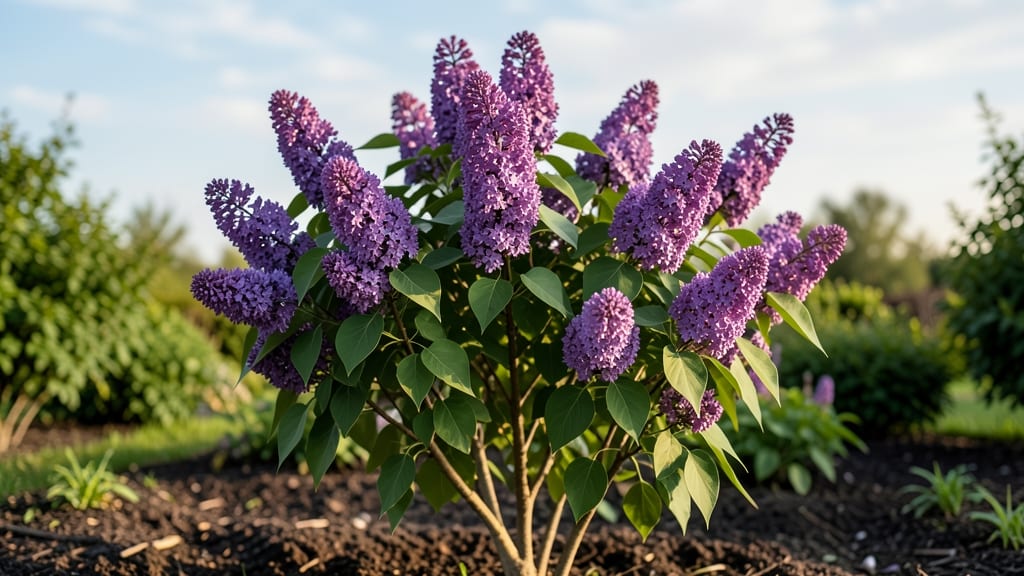
How tall lilac trees grow at maturity—between 8 and 15 feet—can transform your yard into a fragrant springtime showstopper, but that doesn’t mean they’ll dominate your space.
If you love the intoxicating fragrance of lilacs 🌸 but worry about their towering height overwhelming your small yard, you’re not alone. These classic shrubs can reach impressive heights, but with the right variety, you can enjoy their beauty without sacrificing space.
The key lies in choosing the right type: standard lilacs like 'Katherine Havemeyer' can soar to 12+ feet, while compact varieties like 'Miss Kim' stay under 6 feet.
Even standard types can be pruned to keep them in check, so you get the scent and the size you want.
In this guide, I’ll break down how tall lilacs grow, which varieties fit small spaces, and how to manage their height—so you can have your fragrant yard and your space, too.


Lilac tree height guide: standard varieties and their growth expectations
Lilacs are iconic for their fragrant blooms and lush foliage, but their mature height often surprises gardeners. Standard varieties can tower over 8 feet, while some reach 15 feet or more—transforming them from shrubs into small trees.
Understanding these height expectations helps you plan your landscape while ensuring your lilac thrives.
Not all lilacs grow the same. The common lilac (Syringa vulgaris) and its cultivars vary widely in size, with some needing regular pruning to control their height.
In this guide, I’ll break down the mature heights of popular varieties, how climate zones influence growth, and how pruning habits can shape your lilac’s stature. Whether you’re designing a cottage garden or a modern urban space, knowing these details is key.
The 'Katherine Havemeyer' variety is a classic, often reaching 12–15 feet tall with a growth rate of 1–2 feet per year. This means it can dominate a landscape quickly, especially in warm climates where growth accelerates.
If you’re in a smaller yard, plan for regular pruning or choose a dwarf variety instead. Its lavender blooms are stunning but require space!
For a slightly more manageable size, 'Mme. Lemoine' tops out at 10–12 feet and grows at a steadier 1 foot per year. This variety is cold-hardy and adapts well to Zones 3–8, making it versatile for many gardens.
Its pale purple flowers add elegance without overwhelming smaller spaces, provided you give it full sun exposure.
If you prefer a taller but slower-growing lilac, 'President Lincoln' is an excellent choice. It matures at 8–10 feet and grows just 0.8–1 foot per year. This variety is also drought-tolerant, ideal for water-conscious gardeners in Zones 4–8.
Its deep purple blooms are a showstopper and pair beautifully with spring perennials.
Climate plays a huge role in lilac growth. In warmer zones (7–9), lilacs often grow faster and taller due to longer growing seasons.
For example, a 'Common Lilac' in Zone 8 might hit 15 feet in 7–8 years, while the same variety in Zone 5 could take 10+ years to reach maturity. Always check your USDA Hardiness Zone before planting!
Pruning is another critical factor in controlling height. If you skip pruning, lilacs can become leggy and unruly, with long, bare stems. I recommend pruning right after flowering to shape the plant and encourage bushier growth.
For taller varieties, prune the topmost branches to redirect energy toward a fuller form rather than vertical growth.
For gardeners with limited space, consider 'Bloomerang Lilac', a reblooming variety that stays 6–8 feet tall. It grows at a slower pace (0.5–1 foot per year)
Top 5 compact lilac varieties perfect for small yards and containers
If you're dreaming of fragrant lilacs but lack space for towering shrubs, don't worry! Compact varieties bring all the sweet fragrance and vibrant blooms without dominating your landscape. These dwarf and semi-dwarf lilacs thrive in containers or tight spaces, making them perfect for patios, balconies, and small yards.
I’ve tested these varieties in my own urban garden, and they consistently deliver abundant blooms while staying manageable. Whether you're working with 6-inch pots or a 3-foot garden bed, these lilacs prove that big fragrance doesn’t require big space.
'Miss Kim' is my top pick for containers—this Korean lilac stays under 3-4 feet tall and blooms prolifically. Its early spring flowers appear before many other lilacs, and it tolerates partial shade, making it versatile for urban spaces.
For a slightly taller but still manageable option, try 'Dwarf Korean Lilac', which reaches 4-5 feet at maturity. This variety produces dense clusters of lavender blooms and handles container life beautifully. I planted mine in a 15-gallon pot and still got stunning results.
'Little Richard' is another fantastic choice, growing to 4-5 feet with deep purple blooms. It’s drought-tolerant once established, which is a huge plus for low-maintenance gardeners. This variety also has excellent cold hardiness, thriving in zones 3-8.
If you prefer white blooms, 'White Swan' is a stunning semi-dwarf option reaching 5-6 feet. Its fragrant flowers appear in late spring and attract pollinators. I’ve seen it used as a privacy screen in narrow yards or as a container specimen on patios.
Finally, 'Bloomerang Lilac' is a reblooming dwarf that grows to 4-5 feet and produces two flushes of blooms per season. This variety is perfect if you want extended fragrance and color without the space commitment of larger lilacs.
All these compact varieties thrive in full sun to partial shade and prefer well-draining soil. For containers, use a high-quality potting mix with added perlite to prevent root rot. Prune after flowering to maintain shape and encourage next year’s blooms. 🌸