
How To
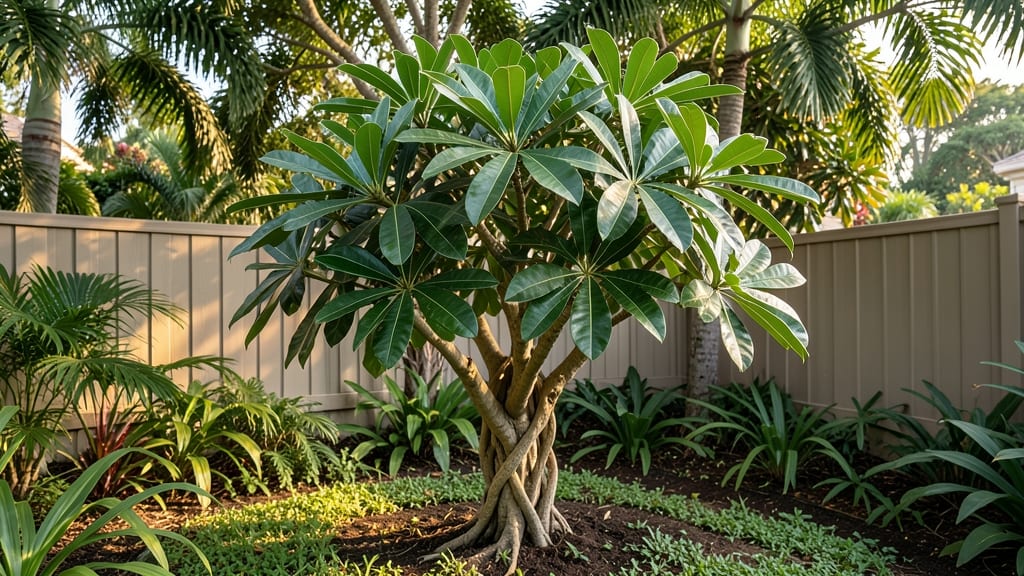
The money tree grows to 3 to 6 feet tall indoors, depending on variety and care, making it a striking centerpiece for your home 🌿.
If you’ve ever dreamed of a lush, fast-growing plant that doubles as a living bank account, the money tree (Pachira aquatica) might just be your perfect indoor companion—but how tall can it really get?
Some varieties stay compact, while others stretch toward the ceiling, so choosing the right one matters.
Light, water, and pruning all play a role in its height. Too much sun can make it leggy, while proper trimming keeps it bushy and manageable. Even in small spaces, you can control its growth with the right techniques.
Below, I’ll break down the height ranges by variety, share pruning tips to keep it at your desired size, and debunk myths about its growth speed—so you can enjoy a thriving money tree without surprises.


Money tree height by variety: which grows tallest indoors?
When choosing a money tree for your home, one of the first questions I ask myself is: How tall will it get? The answer depends entirely on the variety you select, as some grow like sky-scrapers while others stay compact enough for small apartments.
The most popular variety, Pachira aquatica, is the classic "money tree" with its distinctive braided trunk—but its height can vary wildly based on care and genetics.
If you're dreaming of a tall money tree that makes a bold statement, you’ll want to focus on standard varieties, which can reach 6-10 feet indoors with proper care. However, if your space is limited, dwarf varieties or regular pruning can keep your plant under 3-4 feet.
Let’s break down the most common varieties and their mature heights so you can pick the perfect fit for your home.
| Variety | Mature Height (Indoors) | Growth Rate | Best For |
|---|---|---|---|
| Standard Pachira aquatica | 6–10 ft | Moderate (1–2 ft/year) | Large spaces, statement plants |
| Pachira 'Money Tree Braid' | 5–8 ft | Slow to moderate | Indoor decor, braided trunks |
| Dwarf Pachira (e.g., 'Rain Tree') | 3–5 ft | Slow (6–12 in/year) | Small apartments, offices |
| Pachira 'Golden Shower' | 4–6 ft | Moderate | Bright foliage, medium spaces |
| Pachira 'Purple Leaf' | 5–7 ft | Slow-moderate | Unique foliage, collectors |
The standard Pachira aquatica is the tallest variety, often reaching 10 feet indoors if given enough time and ideal conditions. This makes it a stunning centerpiece for large rooms or entryways, but it requires regular pruning to maintain manageable proportions.
If you’re working with limited ceiling height, the 'Rain Tree' dwarf variety is a game-changer, maxing out around 5 feet while still offering lush, tropical foliage.
One common misconception is that all money trees grow equally tall. In reality, the braided varieties (like the popular 'Money Tree Braid') tend to grow slightly slower than their non-braided counterparts, often staying under 8 feet.
The braiding process itself doesn’t stunt growth, but the extra care required can lead to slightly slower height increases. For those who love vibrant colors, the 'Golden Shower' variety adds a pop of yellow-green foliage while maintaining a 4–6 foot height range.
If you’re wondering how long it takes for a money tree to reach its mature height, the answer varies. A standard Pachira might take 5–10 years to hit its full height indoors, while dwarf varieties can mature in 3–5 years.
Patience is key, but with the right care—like bright indirect light and consistent moisture—you’ll see steady growth every year. I’ve seen my own 6-year-old Pachira grow from a 1-foot sapling to a 5-foot beauty, and the transformation is nothing short of magical.
For those who love the look of a money tree but need a compact option, consider hybrids or grafted varieties. Some nurseries offer "bonsai-style" money trees that stay under 3 feet even at maturity.
These are perfect for desks or shelves, though they may require more frequent pruning to maintain their shape. Just remember: even the smallest money tree can make a big impact with its glossy leaves and symbolic braided trunk.
Light exposure plays a huge role in height. A money tree in a south-facing window will grow taller faster than one in a north-facing nook. If you’re aiming for a taller money tree, place it near a window where it gets 4–6 hours of indirect sunlight daily.
However, if you want to control height, reduce light slightly or prune the top growth to encourage bushier, wider growth instead of vertical stretching.
Pro tip: If you’re buying a money tree and want to predict its future height, check the stem thickness and leaf size. Thicker stems and larger leaves often indicate a faster-growing variety that will reach its mature height quicker.
Always ask the nursery about the specific variety—some may not disclose the dwarf vs. standard distinction upfront, leading to surprises down the line.
No matter which variety you choose, your money tree’s height is ultimately in your hands. With the right care and pruning habits, you can shape it to fit your space perfectly—whether that’s a
How to control money tree height: pruning and growth hacks
Your money tree (Pachira aquatica) can grow into a stunning indoor statement piece, but its height depends entirely on your care approach. Without proper pruning techniques and growth management, it may outgrow your space quickly—reaching 6 feet indoors if left unchecked.
The good news? With a few simple strategies, you can shape its growth to match your home’s aesthetic and space constraints.
Start by understanding that money trees grow fastest during spring and summer, adding 1-2 feet per year under ideal conditions. To keep it compact, focus on three key areas: pruning methods, light exposure, and repotting timing.
Each plays a critical role in controlling its vertical growth while encouraging a fuller, bushier appearance that many gardeners love.
- 1 Prune at the right time: Trim back leggy stems in early spring (March-April) to encourage branching. Use clean, sharp pruning shears and cut just above a leaf node.
- 2 Pinch new growth: For bushier growth, pinch off the top 2-3 inches of new shoots when they're 4-6 inches tall. This redirects energy to side branches.
- 3 Limit bottom light: Place your money tree 1-2 feet from a north-facing window to slow vertical stretching. Avoid south-facing windows which accelerate height growth.
- 4 Repot every 2-3 years: Use a pot just 1-2 inches larger than the current one to restrict root expansion, which naturally limits height growth.
- 5 Rotate monthly: Turn your plant ¼ turn each month to ensure even light exposure, preventing lopsided growth that can make it appear taller than it is.
One common misconception is that money trees need full sun to thrive. In reality, they prefer bright indirect light—too much direct sunlight can cause the plant to stretch unnaturally tall in search of light.
Position yours where it gets 2-4 hours of filtered light daily, like near an east-facing window, to maintain a balanced growth habit.
For advanced height control, try the "braiding" technique where you weave three main stems together as they grow. This not only creates a stunning visual effect but also naturally limits vertical growth by encouraging lateral branching.
Start this when your plant is 1-2 feet tall and use soft plant ties to gently guide the stems.
Remember that pruning stimulates new growth, so don't be afraid to trim aggressively if needed. Your money tree will bounce back quickly with proper aftercare—watering when the top 1-2 inches of soil dry and using a balanced fertilizer (10-10-10) every 6-8 weeks during growing season.
With these techniques, you can keep your money tree at your desired height while enjoying its lush, tropical appearance.