
How To
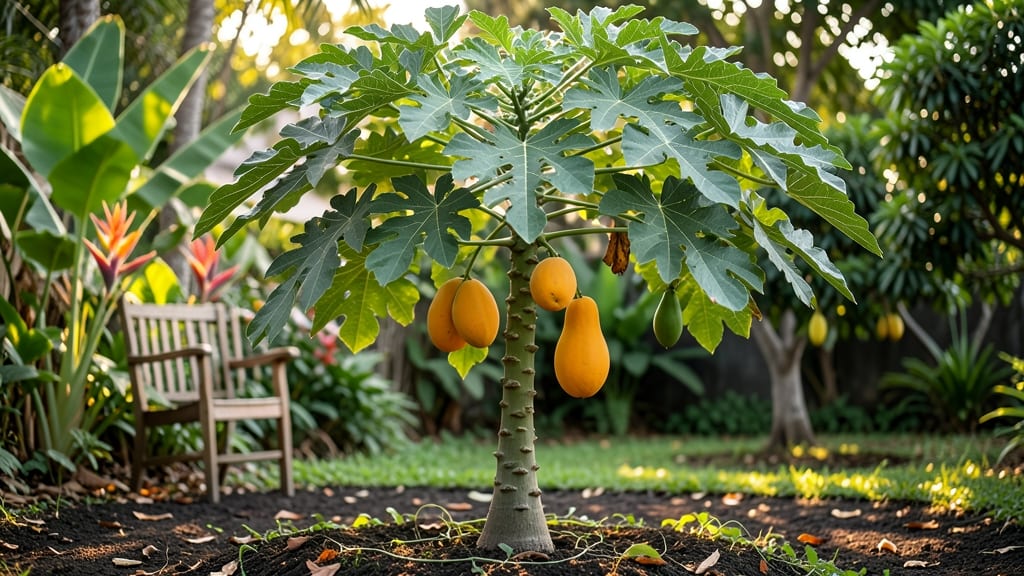
Papaya trees grow between 10 and 30 feet tall, depending on the variety and growing conditions—so if you're planning your tropical garden, space matters.
Picture this: a 30-foot tree towering over your patio, its broad leaves casting shade like a natural umbrella. But here’s the twist—some varieties stay compact, while others stretch skyward, making height the key to choosing the right papaya for your yard or container.
In warmer climates like USDA zones 10-12, papayas thrive and reach their full height, but in cooler areas, pruning and protection can keep them manageable. Whether you’re growing a dwarf variety or a standard-sized tree, understanding height helps with spacing, support, and even harvest access.
Below, I’ll break down height ranges by variety, how climate affects growth, and 5 simple ways to control size—so you can grow the perfect papaya tree for your space. Learn more about growing papayas in your climate to get started.


Papaya tree height by variety: dwarf vs. standard vs. giant types
Papaya trees (Carica papaya) are tropical powerhouses, but their mature height can vary dramatically depending on the variety you choose. If you're planning your garden, knowing these differences will help you decide between space-saving dwarf varieties or towering tropical giants.
Some types stay compact enough for containers, while others reach heights that rival palm trees—up to 30 feet in ideal conditions!
For home gardeners, the height of your papaya tree directly impacts where you plant it, how much space to allocate, and even whether you'll need to provide support structures. Dwarf varieties are perfect for small yards or patios, while standard and giant types demand more room and careful planning.
Let’s break down the most popular varieties and their growth habits so you can pick the perfect fit for your space.
| Variety | Mature Height | Growth Habit | Ideal Spacing | Best For |
|---|---|---|---|---|
| Solo | 3–6 ft | Compact, bushy | 3–4 ft apart | Containers, small yards, patios |
| SunUp | 6–10 ft | Upright, moderate spread | 6–8 ft apart | Backyards, urban gardens |
| Red Maradol | 10–15 ft | Tall, slender trunk | 10–12 ft apart | Large gardens, tropical landscapes |
| Kapoho Solo | 5–8 ft | Dwarf, prolific fruiter | 4–5 ft apart | Containers, balconies, small spaces |
| Tainung No. 2 | 15–20 ft | Fast-growing, tall | 12–15 ft apart | Large properties, tropical farms |
| Golden Honey | 20–30 ft | Giant, vigorous | 20+ ft apart | Tropical climates, spacious gardens |
The Solo and Kapoho Solo varieties are the best choices if you're limited on space. These dwarf papayas stay between 3–8 feet tall and thrive in containers, making them ideal for balconies or small patios.
Their compact size also means they fruit earlier—sometimes within 6–9 months—so you’ll enjoy sweet papayas sooner without waiting years for a towering tree to mature.
For those with more room, SunUp and Red Maradol strike a balance with heights of 6–15 feet.
These varieties are popular among home gardeners because they fit well in backyards while still offering generous fruit yields. Red Maradol, in particular, is prized for its heart-shaped, deep-red fruit, but its height means you’ll need to allocate space for its wide canopy and potential for lateral branches.
If you're in a tropical climate and have ample space, giant varieties like Tainung No. 2 or Golden Honey can reach 20–30 feet tall. These trees are stunning in large landscapes but require careful planning.
Their massive size means you’ll need to consider support structures, like stakes or trellises, to prevent branches from snapping under the weight of fruit. Plus, their root systems are extensive, so planting them too close to other plants can lead to competition for nutrients and water.
When choosing a variety, also consider your growing conditions. Dwarf types tolerate container life better and can be moved indoors during cooler months if needed. In contrast, taller varieties thrive when planted in the ground with well-draining soil and full sun exposure.
If you're in a cooler climate, even standard-height papayas may need protection from frost, so plan accordingly with mulch or greenhouses.
Pro tip: If you love the idea of a papaya tree but worry about height, consider pruning to control growth. Regularly trimming lateral branches can keep your tree more manageable while still allowing it to fruit.
Just avoid over-pruning, as papayas rely on their leaves for energy to produce fruit—you don’t want to sacrifice yield for a smaller size!
No matter which variety you choose, papaya trees are a rewarding addition to any garden. Whether you opt for a compact Solo or a towering Golden Honey, understanding their height ranges will help you create a thriving tropical oasis tailored to your space and climate.
Climate zones and papaya growth: how temperature affects tree height
Papaya trees are tropical divas—they love heat and hate cold, which means your USDA hardiness zone plays a huge role in how tall they grow. In their ideal zones 10-11, these trees can reach 20-30 feet tall with minimal stress.
But push them into zone 8 or 9, and you’ll need to prune aggressively or grow them in containers to control their height.
Temperature isn’t just about height—it also affects growth speed and fruit production. In cooler zones, papayas grow slower and may never reach full height without protection.
Humidity also matters: High humidity (like in Florida or Hawaii) helps them thrive, while dry heat (like in Arizona) can stunt growth if not managed properly.
Cold sensitivity is the biggest challenge. Even a light frost can kill a papaya tree instantly, so gardeners in zones 8-9 often grow them in greenhouses or large containers that can be moved indoors during winter. Without protection, expect stunted growth and smaller fruit.
| USDA Zone | Optimal Growing Conditions | Expected Height Range | Cold Protection Needed |
|---|---|---|---|
| 10-11 | Hot, humid summers; no frost risk | 15-30 ft (full height) | None |
| 9b-9 | Warm summers; mild winters (rare frost) | 10-15 ft (pruned or dwarf varieties) | Greenhouse or container |
| 8a-8b | Hot summers; cold winters (frost risk) | 6-10 ft (heavily pruned) | Indoor overwintering |
| 7 or cooler | Not recommended (too cold) | Stunted or dies | Not viable |
In zones 10-11, papayas grow uninhibited, reaching their full tropical height of 20-30 feet. But in zone 9, where winters dip below 30°F, trees rarely exceed 10-15 feet unless you prune them back in late fall.
For zone 8, think of papayas as container plants—they’ll top out at 6-8 feet if moved indoors during winter.
Humidity also tweaks growth patterns. In dry climates (like Southern California), papayas may grow taller but leggier, requiring stakes or trellises for support.
Meanwhile, in high-humidity zones (like Florida or Puerto Rico), they grow stockier with thicker trunks and more branches, which can lead to denser canopies and heavier fruit loads.
If you’re in a marginal zone, don’t give up! Try dwarf varieties like Solo or SunUp, which max out at 8-10 feet even in cooler climates. Pair them with black plastic mulch to insulate roots and overwinter containers in a garage or shed.
With the right care, you can still enjoy homegrown papayas—just expect a shorter, bushier tree instead of a towering tropical giant.
Ready to grow papayas in your zone? Start with the right variety and protection, and you’ll be harvesting sweet, tropical fruit in no time—no matter how tall (or short) your tree grows! 🌱