
How To
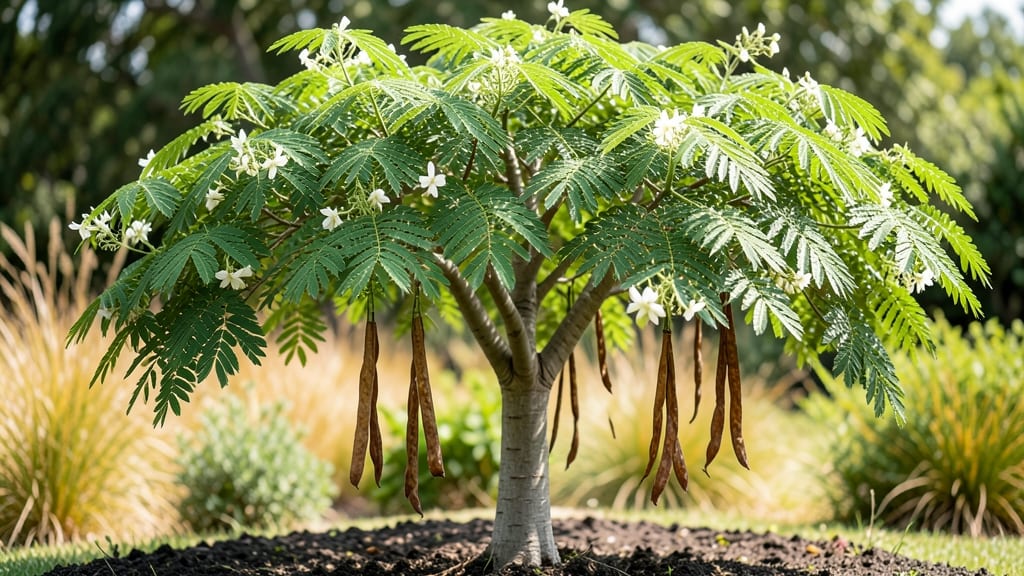
A moringa tree can grow anywhere from 10 to 30 feet tall, depending on its variety and growing conditions—so if you’re eyeing one for your backyard or container garden, size matters.
Picture this: a fast-growing 🌿 powerhouse that shoots up 6 feet in just its first year and keeps climbing unless you rein it in. That’s the standard Moringa oleifera, but some tropical varieties stretch even taller, while others stay more manageable with the right pruning.
Your climate plays a huge role—tropical zones let it reach its full 25- to 30-foot potential, while cooler spots may cap it at 10-15 feet. Even in containers, it won’t shrink dramatically, but it’ll need regular trimming to keep it from becoming a backyard giant.
Below, I’ll break down how to predict your tree’s height based on where you live, how to control its growth, and whether it’s even practical for small spaces.


Moringa tree height by variety: what to expect from dwarf to giant species
The moringa tree (Moringa oleifera) is famous for its rapid growth and nutritional benefits, but its mature height can vary dramatically depending on the variety and growing conditions. While some species reach towering heights, others remain manageable for containers or small gardens.
Let’s explore the height ranges of popular moringa varieties so you can choose the best fit for your space and climate.
Most gardeners focus on Moringa oleifera, but rare varieties like Moringa peregrina (desert moringa) offer unique adaptations for arid regions. Understanding these differences helps you select a variety that thrives in your environment while meeting your height preferences.
Whether you want a compact bush or a tall shade tree, there’s a moringa variety suited for your needs.
⚠️ Visual Comparison Needed? Below is a quick-reference table showing height ranges, ideal climates, and care tips for each variety. This will help you visualize which moringa fits your garden layout before planting.
| Variety | Mature Height | Growth Rate | Ideal Climate | Best For | Care Tips |
|---|---|---|---|---|---|
| Moringa oleifera 'Dwarf' | 6–10 ft | Fast (3–5 ft/year) | Tropical/Subtropical (USDA Zones 10–11) | Containers, small gardens, urban yards | Prune regularly to maintain shape; use 5-gallon pots for dwarf varieties. |
| Moringa oleifera 'Green Giant' | 15–25 ft | Very Fast (5–7 ft/year) | Tropical/Subtropical (USDA Zones 10–11) | Large gardens, farms, shade trees | Stake young trees; provide deep, well-draining soil. |
| Moringa oleifera 'Malabar Spinach' | 8–12 ft | Moderate (2–4 ft/year) | Subtropical (USDA Zones 9–11) | Edible leaves, small farms, permaculture | Harvest leaves frequently to encourage bushier growth. |
| Moringa peregrina (Desert Moringa) | 3–8 ft | Slow to Moderate (1–3 ft/year) | Arid/Semi-Arid (USDA Zones 8–11) | Drought-prone areas, desert landscapes | Water sparingly; tolerates poor soil and minimal care. |
| Moringa oleifera 'Standard' | 25–30 ft | Very Fast (6–8 ft/year) | Tropical (USDA Zones 10–11) | Large properties, agroforestry | Requires ample space; prune to control height in small areas. |
If you’re growing moringa in containers, opt for the 'Dwarf' or 'Malabar Spinach' varieties to keep heights manageable. These varieties thrive in 5-gallon pots and can be pruned to stay under 6 feet tall.
For large gardens or farm settings, the 'Green Giant' or 'Standard' varieties are ideal but require ample space to reach their full height.
The desert moringa (Moringa peregrina) is a unique choice for drought-prone areas like Arizona or California. Its compact size and drought tolerance make it perfect for xeriscaping or low-water gardens.
Unlike its tropical cousins, this variety doesn’t need frequent watering and can survive with minimal care, making it a low-maintenance option.
For urban gardeners with limited space, consider training your moringa as a small tree or bush using regular pruning. Prune back one-third of the height in early spring to encourage bushier growth and prevent the tree from becoming too tall.
This technique works especially well for 'Green Giant' varieties, which can be kept under 12 feet with consistent pruning.
Another factor influencing height is soil quality. Moringa trees grow fastest in well-draining, slightly alkaline soil with a pH of 6.5–7.5. Poor soil or waterlogging can stunt growth, so amend your soil with compost or organic matter before planting.
In container gardens, use a lightweight potting mix with perlite to improve drainage.
Finally, don’t forget that climate plays a huge role in how tall your moringa grows. In tropical climates, moringa trees can reach their full height in just 2–3 years, while in cooler subtropical zones, growth may slow significantly.
If you’re in USDA Zone 9 or below, consider growing moringa in containers and overwintering it indoors to protect it from frost.
Ready to pick your perfect moringa? Start with the variety that matches your space, climate, and gardening goals. Whether you’re after a nutrient-packed bush or a towering shade tree, there’s a moringa variety that’s just right for you! 🌿
Climate Zones and growth factors: how your location affects moringa tree height
Your moringa tree’s height isn’t set in stone—it’s heavily influenced by where you live. In tropical climates like USDA Zones 10-11, moringa trees can soar to 25-30 feet with ideal conditions, while in subtropical zones (Zones 9-10), they typically max out around 15-20 feet.
Even in arid regions, like parts of Arizona or California, moringa adapts but grows more slowly, reaching 10-15 feet without extra care.
The key factors shaping your moringa’s height are temperature, humidity, sunlight, and soil quality. For example, high humidity in Florida or Hawaii accelerates growth, while dry heat in Texas or Nevada can stunt it unless you provide consistent water.
Even the soil pH (ideal: 6.0-7.5) plays a role—acidic or alkaline soil slows nutrient uptake, limiting height potential.
🌿
🌡️ Moringa Height by Climate Zone
🌳 Tropical (Zones 10-11): 25-30 ft | Fastest growth, year-round harvest
🌞 Subtropical (Zones 9-10): 15-20 ft | Moderate growth, prune to control height
🏜️ Arid (Zones 7-8): 10-15 ft | Slow growth, needs deep watering
❄️ Urban Containers: 6-10 ft | Prune aggressively, use dwarf varieties if available
*Height varies with pruning, soil, and care—never let it grow unchecked!
In urban gardens or small spaces, you can control height with strategic pruning. I recommend trimming back one-third of the tree’s height annually in late winter or early spring. This encourages bushier growth and prevents it from becoming a 30-foot monster in your backyard.
For container-grown moringa, prune more frequently—every 6-8 weeks—to keep it under 6-10 feet.
Sunlight is non-negotiable for height. Moringa trees in full sun (6+ hours daily) grow 2-3x faster than those in partial shade. If you’re in a shady climate, like parts of the Pacific Northwest, supplement with grow lights or choose a sunnier spot.
Even a 10% reduction in sunlight can cut height growth by 30% over a year.
Soil type matters too. Moringa thrives in well-draining, sandy loam but struggles in clay-heavy soil, which can waterlog roots and stunt growth. Amend heavy soil with compost or perlite to improve drainage.
In poor soil, like rocky terrain, mulch heavily with organic matter to feed the roots and support taller growth.
For fastest height gains, combine these tips: plant in well-draining soil, water deeply 2-3 times per week, and fertilize with a balanced 5-10-10 NPK every 6-8 weeks.
With the right conditions, you could see 5-6 feet of new growth per year—but always prune to manage size in tight spaces! ✂️