
How To
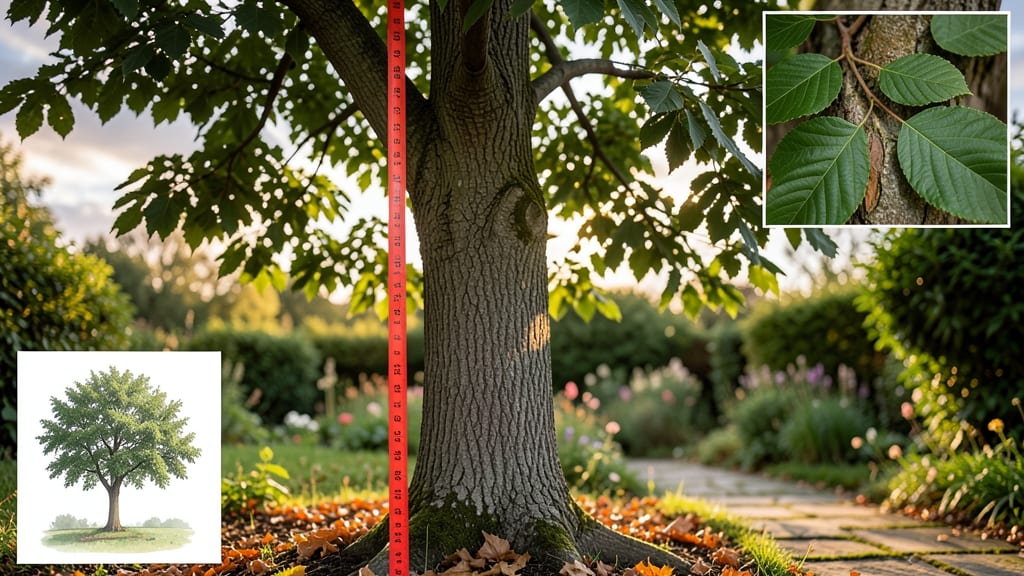
Wondering how tall does an ash tree grow? A mature ash tree can reach anywhere from 30 to 80 feet, depending on the species and growing conditions 🌳 — a range that makes it a standout for both sprawling landscapes and urban gardens.
Some ash trees reach heights of 80 feet, while others remain manageable at 30 feet.
In this guide, I’ll break down the height differences between white ash, green ash, and black ash, along with the factors that push a tree toward its maximum potential or keep it shorter.
You’ll also discover how to choose the right variety for your space, whether you’re working with a small yard or a wide-open landscape.


Mature heights of common ash tree species compared
When planning to plant an ash tree, one of the first questions I ask myself is how tall will it grow? Ash trees vary dramatically in height, from towering giants to more manageable specimens perfect for urban landscapes.
The white ash and green ash are among the tallest, while black ash and some cultivars offer smaller alternatives. Understanding these differences helps me choose the right species for my space and long-term vision.
Ash trees typically reach their mature height between 20 to 40 years, depending on growing conditions. In ideal environments—like USDA zones 3-8—some species can grow 2-3 feet per year in their youth. However, growth slows as the tree matures.
For example, a white ash might grow 60 feet tall in 30 years, while a green ash in a constrained urban setting could max out at 40 feet.
| Species | Mature Height Range | Growth Rate (Annual) | Ideal Growing Conditions |
|---|---|---|---|
| White Ash (Fraxinus americana) | 60–80 ft | 1–2 ft (young), 0.5–1 ft (mature) | Full sun, well-drained soil, USDA zones 3–8 |
| Green Ash (Fraxinus pennsylvanica) | 50–70 ft | 1–2 ft (young), 0.5 ft (mature) | Adaptable to wet soils, USDA zones 2–9 |
| Black Ash (Fraxinus nigra) | 30–50 ft | 0.5–1 ft (consistent) | Moist, acidic soils, USDA zones 3–8 |
| Patmore Ash (Fraxinus oxycarpa 'Patmore') | 25–35 ft | 0.5–1 ft (compact) | Full sun, well-drained soil, USDA zones 5–8 |
| Blue Ash (Fraxinus quadrangulata) | 50–70 ft | 1–1.5 ft (young), 0.5 ft (mature) | Dry to medium soils, USDA zones 4–8 |
If you're wondering how tall does an ash tree grow in your specific climate, consider the green ash for adaptability—it thrives in USDA zones 2-9, making it a versatile choice for northern and southern gardens alike.
Meanwhile, the white ash prefers well-drained soil and full sun, which can accelerate its growth to 80 feet in optimal conditions. For smaller spaces, the Patmore ash is a game-changer, staying under 35 feet while offering the same elegant foliage.
Growth rates also depend on pruning practices. Regular pruning in early spring can encourage a fuller canopy and slightly slower vertical growth. I’ve seen green ash trees in urban areas topped at 40 feet through consistent pruning, while unpruned specimens in rural areas can easily exceed 60 feet.
The key is balancing natural growth with your landscape goals.
For those in USDA zones 3-5, the black ash is a fantastic option if you’re near wetlands or have acidic soil. It grows more slowly but remains sturdy and disease-resistant.
In contrast, the blue ash is drought-tolerant and ideal for USDA zones 4-8, where water conservation is a priority. Both species offer unique advantages depending on your local climate and soil type.
One common misconception is that all ash trees grow to 80 feet. While the white ash can reach this height, most homeowners plant smaller varieties like the Patmore ash or green ash for practicality.
Even then, factors like root competition, nutrient availability, and local microclimates can influence height. For example, a green ash in a windy coastal area might grow taller and leaner compared to one in a protected inland garden.
When selecting an ash tree, I always recommend checking with local nurseries about regional growth patterns. Some areas experience stunted growth due to poor soil or pests like the emerald ash borer, which can limit a tree’s potential height.
For instance, in USDA zone 7, a white ash might only reach 50 feet if infested, whereas a healthy specimen could tower at 70 feet.
For urban gardeners, the Patmore ash is my top recommendation due to its compact stature and low-maintenance nature. It’s perfect for small yards or as a street tree where space is limited. Meanwhile, larger properties can accommodate the white ash or blue ash for a bold, statement-making tree.
Always consider the mature height and how it will interact with power lines, sidewalks, and other structures over time.
If you’re still unsure about how tall your ash tree will grow, start with a 5-gallon container-grown sapling and monitor its growth rate
Factors that influence ash tree height growth
If you're dreaming of a towering ash tree in your landscape, remember that its final height isn't set in stone—it's shaped by a mix of natural conditions and your care habits.
The soil quality where you plant it can either fuel rapid vertical growth or stunt its potential by just a few feet. For example, well-draining loam with organic matter lets roots spread deeper, while clay-heavy soil can limit growth by restricting oxygen flow.
Another game-changer is sunlight exposure. Ash trees thrive in full sun (6+ hours daily), but even slight shade can slow their upward climb.
In urban areas with limited sunlight, a green ash might max out at 40 feet instead of its 60-foot potential. Watering habits also play a role—consistent moisture during dry spells helps maintain steady growth, while neglect can lead to stunted branches and reduced height.
- 1. Soil Type: Well-draining loam promotes faster growth; clay soil can reduce height by 20-30%.
- 2. Sunlight: Full sun (6+ hours) = max height; partial shade = 10-20% shorter.
- 3. Watering: Deep weekly watering for young trees; drought stress can halt growth by 50%.
- 4. Pruning: Annual pruning removes competing branches, directing energy upward; over-pruning can reduce height by 10-15%.
- 5. Climate: USDA Zones 3-9 support full growth; colder zones may see 10-15% slower growth.
Don't overlook the impact of pruning techniques. Strategic cuts in early spring can encourage upward growth by removing lower branches that compete for nutrients. However, aggressive pruning—like topping—can trigger excessive sprouting and weaken the tree's structure, often resulting in a shorter, bushier appearance.
I recommend selective pruning to maintain a balanced shape while promoting height.
Your local climate also sets expectations. In warmer USDA Zones 7-9, ash trees grow faster and reach their maximum height sooner. But in colder Zone 4, growth slows during winter months, potentially delaying full maturity by 5-10 years.
For example, a white ash in Zone 9 might hit 70 feet in 30 years, while the same tree in Zone 4 could take 40 years.
Even the spacing between trees affects height. Planting ash trees too close together forces them to compete for resources, often resulting in stunted growth and reduced height by 15-25%. Always follow spacing guidelines—typically 30-50 feet apart—to give each tree room to reach its full potential.
Proper spacing also improves airflow, reducing disease risk and supporting healthier, taller growth.
Finally, remember that patience is key. Ash trees grow at a steady 1-2 feet per year under ideal conditions. If you're aiming for a tall specimen, focus on creating the right environment now—your future shade tree will thank you.
With the right care, your ash tree could become the stunning centerpiece of your landscape, reaching heights that will leave your neighbors in awe. 🌳