
How To
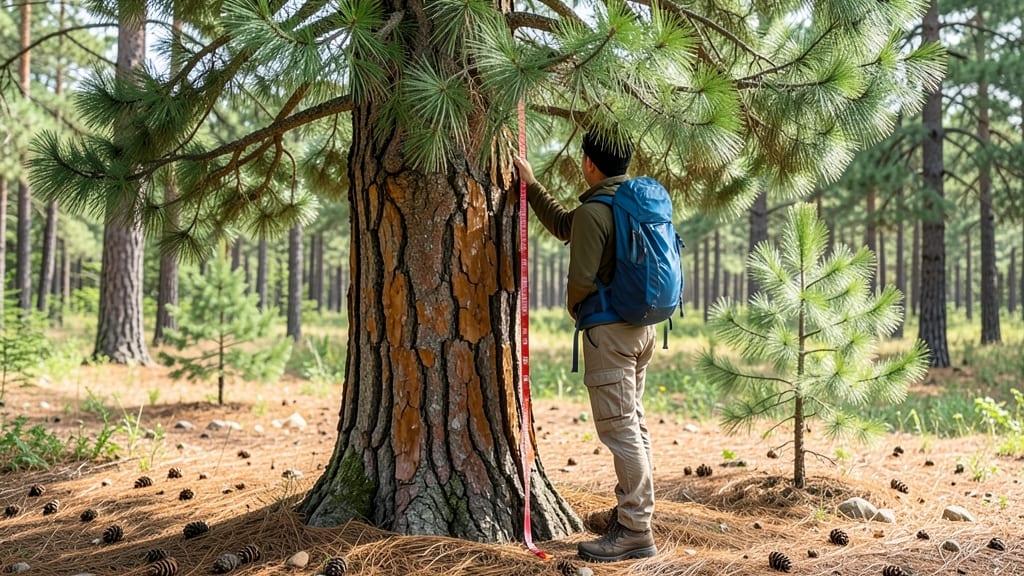
How tall a pine tree can grow stretches from a modest 10 feet to a sky-piercing 200 feet, depending on the species you choose and where you plant it.
If you’ve ever dreamed of towering shade or a natural skyline in your backyard, pine trees are the ultimate vertical statement—but not all species reach for the clouds at the same speed.
Some, like the Mugo Pine, stay compact and perfect for small gardens, while others, such as the Ponderosa Pine, grow into towering giants that dominate the landscape. Climate, soil quality, and sunlight all play a role in how fast and tall your pine tree will grow.
In this guide, I’ll break down the fastest-growing species, how to estimate a tree’s future height, and the best tips for gardeners to plan their pine tree’s skyward journey.


Pine tree height by species: from dwarf varieties to forest giants
Choosing the right pine tree for your space means understanding their mature height and growth habits. Some varieties stay compact enough for container gardens, while others become towering forest sentinels. The species you select will determine everything from shade coverage to long-term landscaping impact.
Pine trees generally fall into three height categories: dwarf varieties (under 10 feet), medium-height trees (10–30 feet), and forest giants (over 100 feet).
Each category offers unique benefits, from low-maintenance privacy screens to century-old natural landmarks. Let’s explore how these trees grow and which might suit your yard best.
Soil quality, sunlight exposure, and climate conditions all influence how tall a pine tree will grow. For example, a Ponderosa Pine in ideal conditions can reach 200 feet, but in a container or poor soil, it may stay under 50 feet. Always check your local USDA hardiness zone and consult a nursery for species-specific advice.
| Species | Mature Height | Growth Rate | Ideal Conditions |
|---|---|---|---|
| Mugo Pine (Pinus mugo) | 5–10 ft | 1–2 ft/year | Full sun, well-draining soil |
| Dwarf Alberta Spruce (Picea glauca 'Conica') | 6–10 ft | 6–12 in/year | Partial shade, moist soil |
| Eastern White Pine (Pinus strobus) | 50–75 ft | 2–3 ft/year | Full sun, adaptable soil |
| Ponderosa Pine (Pinus ponderosa) | 100–200 ft | 3–5 ft/year | Full sun, dry soil |
| Scots Pine (Pinus sylvestris) | 65–100 ft | 2–3 ft/year | Full sun, well-draining soil |
| Japanese Black Pine (Pinus thunbergii) | 20–40 ft | 1–2 ft/year | Full sun, coastal tolerance |
If you’re working with limited space, dwarf pines like the Mugo Pine or Dwarf Alberta Spruce are excellent choices. These varieties rarely exceed 10 feet and grow slowly, making them ideal for container gardening or rock gardens.
Their compact size also means less pruning and lower maintenance over time.
For medium-height pines (10–30 feet), consider the Japanese Black Pine or Norway Spruce. These trees offer a balance of privacy and manageable size, perfect for smaller yards or as windbreaks.
They grow at a steady pace, typically adding 1–2 feet per year, so you can plan their placement with long-term growth in mind.
The tallest pine species, like the Ponderosa Pine or Eastern White Pine, are built for forest ecosystems and require ample space. If you’re planting one in your yard, ensure it has at least 50 feet of clearance from structures and power lines.
These giants can grow 3–5 feet per year in ideal conditions, so their height potential is something to consider carefully.
To maximize growth, provide full sun exposure (6+ hours daily) and well-draining soil. Most pine trees prefer slightly acidic soil with a pH between 5.0 and 7.0. If your soil is heavy clay, consider amending it with organic matter like compost or pine bark to improve drainage.
Regular mulching also helps retain moisture and regulate soil temperature.
One common misconception is that all pine trees grow at the same rate. In reality, growth speed varies widely—some dwarf varieties add only 6 inches per year, while fast-growing species like the Ponderosa Pine can shoot up 5 feet annually.
Always check the nursery tag or species description for accurate growth projections before planting.
If you’re unsure which pine tree to choose, visit your local nursery and ask about species suited to your climate. Many nurseries offer young saplings with detailed care guides, including expected mature height and growth rate.
With the right species and care, your pine tree can become a stunning focal point for decades—or even centuries.
🌲
Fastest-growing pine trees for quick shade and privacy solutions
If you need fast shade or a natural privacy screen, some pine trees grow at an impressive 3+ feet per year, making them perfect for quick landscaping results. The Eastern White Pine and Ponderosa Pine are standout performers, while Scots Pine offers a hardy alternative for colder climates.
These species don’t just grow fast—they thrive with minimal fuss, provided you meet their basic needs.
For maximum growth, focus on three key factors: well-draining soil, consistent moisture, and full sun exposure. Pine trees are resilient, but they reward attentive care with rapid vertical expansion.
Whether you’re blocking nosy neighbors or creating a cool retreat, these fast-growing varieties deliver results in just a few years.
The Eastern White Pine (Pinus strobus) is a top choice for quick shade, reaching 60–85 feet tall in ideal conditions. It grows 2–3 feet per year when young and thrives in USDA Zones 3–8.
Plant it in well-drained soil with full sun to encourage rapid height gains. This pine also tolerates urban pollution, making it great for city gardens.
For dry climates, the Ponderosa Pine (Pinus ponderosa) is unbeatable, shooting up 3–5 feet annually in its youth. Mature trees can exceed 100 feet, but they start small enough for easy planting. Avoid waterlogging—this species prefers sandy, well-drained soil and minimal competition from other plants.
Mulch around the base to retain moisture while allowing airflow.
If you’re in a cooler climate, the Scots Pine (Pinus sylvestris) is a hardy workhorse with 2–4 feet of growth per year. It matures around 60 feet but stays narrower than other pines, making it ideal for tight spaces.
This pine loves full sun and sandy loam, so amend heavy clay soil with compost or gravel to improve drainage.
To boost growth, water deeply once a week during the first year, then taper off as roots establish. Avoid over-fertilizing—pines prefer low-nitrogen soil to prevent weak, spindly growth. Instead, focus on organic matter like pine bark mulch or composted leaves to feed the soil naturally.
For privacy screens, space trees 8–10 feet apart to ensure they fill in quickly. Combine Eastern White Pine with Scots Pine for a mix of height and density. With the right care, you’ll have a lush, evergreen barrier in just 3–5 years—no waiting decades for shade!